
REVIEW · BLAGAJ AND POCITELJ VILLAGES
Blagaj Tekija & Buna River Half-Day Tour from Mostar
Quiet water, Ottoman walls, and a dramatic cliff. This short outing pairs Blagaj Tekija with the powerful Buna River spring, giving you a quick look at Bosnia and Herzegovina beyond Mostar. I like the included tekija admission and the small group limit of seven, which should make it easier to ask questions and hear the guide. I also like the human touch of rose juice in an Ottoman house. The main consideration is transportation: it is not included, and the stated schedule is only two to three hours, so you should confirm how the old-town walk fits into the visit.
The guide can add real value here. Selmir is praised for thoughtful explanations, humor, and careful attention, while Armina is remembered for being especially helpful when a group became separated. The outing is a good match if you want context, not just photographs. Just note that the experience can be busy at times, especially around the famous spring and monastery.
In This Review
- Key points to know before you book
- Why Blagaj makes a worthwhile half-day from Mostar
- Inside Blagaj Tekija, a 16th-century Dervish monastery
- The Buna River spring beneath the limestone cliff
- Mostar’s old city, rose juice, and the Stone Bridge
- What the guides add to a short outing
- Is $72.09 a fair price?
- Who will enjoy this tour most?
- A simple way to make the most of it
- Should you book the Blagaj Tekija and Buna River tour?
- FAQ
- Where does the tour start and end?
- How long does the experience last?
- Is transportation included?
- Is admission to Blagaj Tekija included?
- How many people can join the tour?
- Can I cancel for a full refund?
Key points to know before you book
- Blagaj Tekija is the main cultural stop: You get about 45 minutes inside and around this 16th-century Dervish monastery, with admission included.
- The Buna spring is a short but memorable nature stop: Allow about 30 minutes to see the turquoise water pour from a cavern beneath a limestone cliff.
- A small group can make the guide matter: The maximum is seven people, and guides Selmir and Armina receive particular praise for clear explanations and personal care.
- The price is $72.09 per person: That is easier to justify if you value guided history and a small group, but less attractive if you only need transport.
- The tour begins and ends in Mostar: Meet at Španski trg at 9:00 a.m. Transportation and lunch are not included.
- Some highlights need clarification: The experience includes references to Mostar’s old city, the Stone Bridge, and rose juice at an Ottoman house, while the timed stops focus on Blagaj.
Why Blagaj makes a worthwhile half-day from Mostar
Mostar is famous for its bridge, stone lanes, and Ottoman-era character. Blagaj gives you a different view of the same broader story. Here, architecture and religious tradition sit beside a forceful river source, so the visit works as both a cultural outing and a short nature break.
The setting does much of the work. Blagaj Tekija was built in the 16th century for Dervish worship, beside the source of the Buna River. The building’s Ottoman design looks especially striking against the high limestone cliff. You are not simply visiting an old structure in isolation. You are seeing why this particular site became spiritually important.
I would choose this trip if you have already allowed time for Mostar itself and want to add one focused excursion. It is also useful when you have only part of a day free. The tour lasts approximately two to three hours, so it does not consume an entire morning or afternoon.
The short duration comes with a tradeoff. You will get an introduction rather than a slow, extended visit. If you want a long meal by the river, a detailed museum experience, or time to explore every corner of Blagaj, you may need to continue on your own after the tour.
More of Blagaj and Pocitelj:
- Dubrovnik: Kravica Waterfalls, Mostar and Pocitelj Day Trip
★ 4.5 · 3,045 reviews - Discover Herzegovina Day Tour from Mostar: Kravice Waterfalls, Blagaj, Počitelj
★ 5.0 · 742 reviews - Herzegovina Day Tour from Mostar: Blagaj, Pocitej, Kravice falls (Join Us! :D)
★ 5.0 · 372 reviews
Inside Blagaj Tekija, a 16th-century Dervish monastery
The first scheduled stop is Blagaj Tekija, with around 45 minutes and the entrance fee covered. That is enough time for a guided look at the monastery and its setting, though not enough for an unhurried visit if the area is crowded.
The tekija is valuable because the guide can explain its Dervish tradition, rather than leaving you to admire the building without context. The Dervish orders played an important role in Ottoman religious life, and this site remains closely tied to spiritual practice. You should dress and behave respectfully at a religious place, even though the visit is also a popular sightseeing stop.
The building’s appeal is visual as well as historical. Ottoman architectural details meet the raw stone of the cliff, and the river source gives the site a constant sense of movement. I like this combination because it avoids the feeling of visiting a detached monument. The surroundings help explain the choice of location.
A guide can also help you separate fact from romantic atmosphere. The site is easy to photograph, but the important part is understanding what you are seeing and why it matters. This is where Selmir’s thoughtful, educational style could be especially useful. His explanations are described as thorough, with enough humor to keep the visit from becoming a dry lecture.
Expect some activity around the monastery. One account describes the area as busy at times, which is worth keeping in mind if you picture a completely quiet spiritual retreat. The visit can still be rewarding, but your photos and time inside may be affected by the number of people present.
The Buna River spring beneath the limestone cliff
After the tekija, the outing spends about 30 minutes at Vrelo Bune, the source of the Buna River. Admission is free, and the attraction is immediate: water rushes from a cavern below a vertical limestone wall before forming the river.
The spring is described as one of Europe’s strongest karst springs. You do not need a long walk or a complicated activity to appreciate it. The appeal is the combination of turquoise water, dark rock, and the sudden force of the flow. It is the kind of stop that gives a short tour a strong visual payoff.
Thirty minutes is a sensible allowance for a first visit. You should have time to take in the view, make photographs, and listen to the guide explain the spring. It is not enough for a leisurely riverside meal, and lunch is not included, so plan your expectations accordingly.
The spring also gives the tour a good rhythm. The tekija asks you to pay attention to faith and architecture. The Buna source shifts your focus to geology and water. In a compact outing, that contrast keeps the experience from feeling repetitive.
I would not book this trip solely for a long nature walk. The provided schedule does not promise one. Think of Vrelo Bune as a scenic stop with a powerful natural feature, not as a full outdoor excursion.
Mostar’s old city, rose juice, and the Stone Bridge
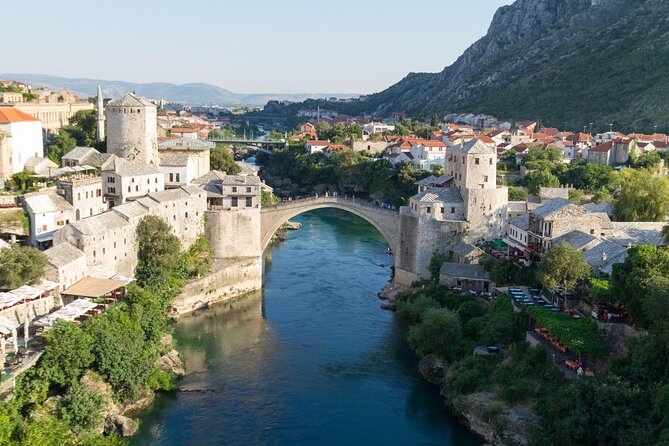
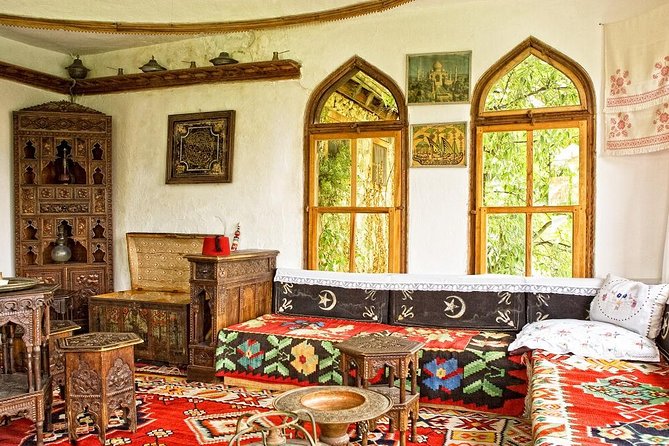
The experience highlights a stroll through Mostar’s old city, a taste of rose juice at an Ottoman house, and a look at the rebuilt Stone Bridge. These details add a local, personal layer to the visit, especially if you enjoy small cultural encounters more than a string of monuments.
The rose juice is a particularly nice touch. A drink served in an Ottoman house gives you a sense of hospitality and domestic tradition that a standard sightseeing walk can miss. It is a small moment, but it can make the tour feel connected to everyday culture rather than limited to formal landmarks.
The Stone Bridge is central to Mostar’s identity, and its rebuilt architecture carries difficult modern history as well as older Ottoman design. A guide who can explain both the bridge’s place in the city and its reconstruction will give you much more than a quick photo stop.
There is one practical point to settle before booking. The timed schedule identifies Blagaj Tekija and the Buna spring as the two main stops, while the broader experience also describes old-city sights and the Ottoman house. Ask the provider how much time is reserved for Mostar itself and whether these elements occur before or after Blagaj. You do not want to assume a full walking tour if the day is mainly devoted to the nearby village.
This is also where the guide’s personal approach matters. A French-language account praises the chance to ask questions privately and hear the guide share part of his own experience connected to the 1990s war. That kind of direct conversation can help you understand Mostar as a living city, not just an attractive old center.
A few more options to weigh up in Mostar
- From Dubrovnik: Mostar and Kravica Waterfall Day Trip
★ 4.7 · 4,709 reviews - Mostar and Kravice Waterfalls Full-Day Tour from Split
★ 4.8 · 308 reviews - Break-up of Yugoslavia & The War in Mostar: Life Under Siege
★ 5.0 · 136 reviews - Mostar & Kravice Waterfalls: Guided Day Trip from Dubrovnik
★ 4.3 · 134 reviews
What the guides add to a short outing
A two-to-three-hour trip leaves little room for wasted time. The guide therefore matters more than it would on a long, self-guided day. You want someone who can explain the religious site, keep the schedule moving, and make sense of Mostar’s past without turning the outing into a memorized speech.
Selmir receives praise for being gracious, informative, thoughtful, and funny. Those qualities are useful in a small group, where you can ask follow-up questions and the guide can respond to your interests. Armina is praised for clear explanations and for going to find people after they became separated, a sign of practical care that matters in an unfamiliar place.
The maximum group size is seven. That is small enough for conversation and usually more personal than a large coach outing. It also means the pace can feel more flexible, though the exact amount of flexibility depends on the group and the guide.
The tour is offered in English. One supplied account describes a French-language private experience, but you should confirm language availability if you need French or another language. Do not assume the regular English departure automatically provides other language service.
I especially like the possibility of discussing Bosnia’s recent past with someone who has a personal connection to it. Still, the depth of that conversation will depend on your guide and the time available. Treat it as a valuable possibility, not a guaranteed lecture on the war.
Is $72.09 a fair price?
At $72.09 per person, this is not the cheapest way to reach Blagaj. The price makes more sense if you want an authorized guide, a small group, and the tekija entrance fee included. It is less compelling if your only goal is to see the spring and monastery and you are comfortable arranging your own transport and learning the background independently.
The group limit of seven improves the value. You are paying for a more personal format rather than simply being moved between sights. A good guide can explain the Dervish monastery, the river source, Mostar’s bridge, and the city’s difficult recent past in a way that would take time to piece together alone.
The price does not include lunch or transportation. That is important because the tour begins at Španski trg in Mostar and returns to the meeting point. You need to get yourself to the start and should not expect a meal to be part of the outing.
The included admission is modest but useful. More important is the organization and interpretation. If Selmir or Armina leads your tour, the personal attention described in the feedback may make the cost feel reasonable. If you want only a ride, the price is harder to defend.
The experience is often booked about 13 days ahead. That suggests you should not leave it until the last minute if your schedule is fixed, especially since the group is capped at seven. Free cancellation is available if you cancel at least 24 hours before the 9:00 a.m. start time. Changes or cancellations inside that window are not accepted for a refund.
Who will enjoy this tour most?
I would recommend it to you if you want a compact introduction to Blagaj, prefer a guide who can explain cultural details, and value a small group. It suits a first visit to Mostar when you want to add an important nearby site without arranging a full day yourself.
It is also a good choice for people who enjoy religious architecture, local customs, and strong natural scenery in one outing. The rose juice stop, if included as described, adds a pleasant touch for anyone who likes food and hospitality woven into sightseeing.
Families and older visitors may appreciate the short duration and the fact that most travelers can participate. The available information does not describe special accessibility arrangements, so you should ask directly if you have mobility concerns or need specific support.
I would be more cautious if you want a completely quiet experience. Blagaj can be busy, and the monastery and spring are popular. I would also hesitate if you need a guaranteed full Mostar walking tour, since the stated timed stops center on Blagaj and Vrelo Bune.
A simple way to make the most of it
Arrive at Španski trg before the 9:00 a.m. start. Since transportation is not included, confirm how you will reach the meeting point and allow enough time to find it.
Wear comfortable shoes for the old-city stroll and time around the river. The supplied information does not promise demanding walking, but stone streets and uneven surfaces are common concerns in historic areas, so practical footwear is sensible.
Keep the morning open enough to ask questions. The best part of a small-group tour may not be the formal explanation, but the chance to ask about Dervish life, the bridge’s rebuilding, or the guide’s own connection to Mostar’s recent past.
Most importantly, clarify the plan for the city portion. Ask whether the old town, Stone Bridge, and Ottoman house are included in the same two-to-three-hour outing, and how the time is divided between Mostar and Blagaj. That one question will tell you whether the tour matches your idea of a half-day visit.
Should you book the Blagaj Tekija and Buna River tour?
Book it if you want context in a small group, not just a quick transfer to a scenic spring. The combination of Blagaj Tekija, Vrelo Bune, Ottoman culture, and Mostar history offers a lot in a short window. The strong guide feedback, especially for Selmir and Armina, is another reason to consider it.
Skip it if you mainly need transportation, want a long independent visit, or require a guaranteed full old-city tour. At $72.09, the value depends on how much you use the guide’s explanations and personal attention.
For most visitors with a free morning in Mostar, I see this as a well-focused add-on. Confirm the exact city-walking elements first, then book ahead if the small group format suits you.
FAQ
Where does the tour start and end?
It starts at Španski trg, Mostar 88000, Bosnia and Herzegovina, at 9:00 a.m. The activity ends back at the same meeting point.
How long does the experience last?
The tour lasts approximately two to three hours.
Is transportation included?
No. Transportation is not included, so you must arrange your own way to the meeting point and back from the tour.
Is admission to Blagaj Tekija included?
Yes. The entrance fee to Blagaj Tekija is included. Admission to the Buna River spring is free.
How many people can join the tour?
The group has a maximum of seven participants.
Can I cancel for a full refund?
Yes, if you cancel at least 24 hours before the experience start time. Cancellations or changes made less than 24 hours before the start are not accepted for a refund.
Just added in Mostar
- War Photo Exhibition Tour in Mostar★ 5.0 · 2 reviews
- Walking Tour in Old Town Mostar★ 5.0 · 5 reviews
- The Ottoman Experience Tour in Mostar★ 5.0 · 1 review
- Wine Tour & Tasting (Herzegovina)★ 5.0 · 1 review
- Transfer service from Mostar-Sarajevo★ 5.0 · 1 review
- Herzegovina Highlights Tour from Mostar★ 5.0 · 2 reviews
- Private Tour in Croatia★ 5.0 · 1 review
- Pocitelj City Tour★ 4.5 · 3 reviews
Blagaj and Pocitelj Villages, compared.
Dubrovnik: Kravica Waterfalls, Mostar and Pocitelj Day Trip
Read our review →
Sarajevo: Mostar, Konjic, Blagaj Tekke, Pocitelj & Waterfall
Read our review →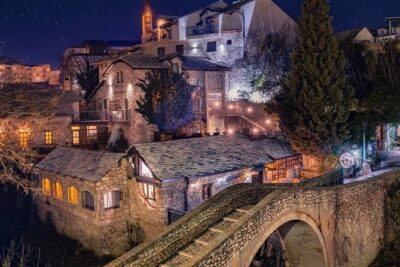
Sarajevo: Mostar, Konjic, Sufi House, Pocitelj & Kravice Falls
Read our review →
Discover Herzegovina Day Tour from Mostar: Kravice Waterfalls, Blagaj, Počitelj
Read our review →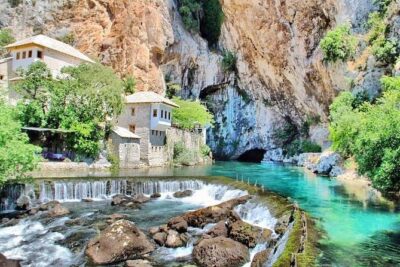
Sarajevo: Mostar, Konjic, Dervish House, Pocitelj & Kravica Falls
Read our review →
Herzegovina Day Tour from Mostar: Blagaj, Pocitej, Kravice falls (Join Us! :D)
Read our review →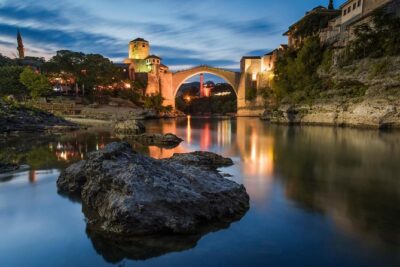
Mostar,Kravica Waterfall,Blagaj,Počitelj – Day Tour from Sarajevo
Read our review →
From Sarajevo: Private Mostar, Blagaj and Kravice Waterfalls Tour
Read our review →Browse the lists this tour appears in