REVIEW · MOSTAR TOURS
The Ottoman Experience Tour in Mostar
Mostar’s Ottoman past is still part of daily life. This two-hour experience connects the city’s old buildings, religious traditions, family life, and coffee culture in a way that goes beyond simply admiring the Old Bridge. I especially like the Bosnian coffee lesson and the chance to explore with a local guide who can answer questions in real time. The central location also makes the tour easy to fit into a day in Mostar.
The main consideration is its short length. You get a focused introduction rather than a full historical tour, and lunch is not included. The tour also requires at least two people per booking, so solo visitors may need to arrange a companion.
In This Review
- Key points to know before booking
- Why Ottoman Mostar needs more than a photo stop
- Starting near the Old Bridge at Onescukova 25
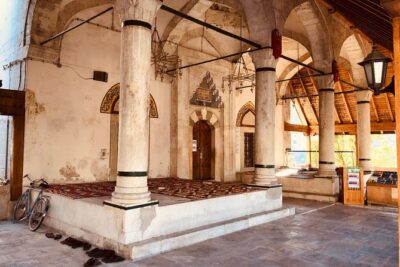
- Reading Mostar’s Ottoman-era buildings
- Religious customs and family life in an older Mostar home
- Learning to make Bosnian coffee at a local café
- What Ruba adds to the experience
- Is two hours enough for $41.40?
- Who should book the Ottoman Experience Tour?
- Should you book it?
- FAQ
- Where does the Ottoman Experience Tour start?
- Does the tour include hotel pickup?
- Where does the tour end?
- How long does the tour last?
- What language is the tour offered in?
- Is Bosnian coffee included?
- Is lunch included?
- How much does the tour cost?
- Is there a minimum number of people required?
- Can children join the tour?
Key points to know before booking
- Bosnian coffee is part of the experience: You learn how to prepare it properly at a local café, not just drink a quick cup.
- The tour explains daily life: The focus includes homes, family routines, religious customs, and ordinary life under Ottoman rule.
- Ruba has earned particular praise: One couple found her friendly, clear, and willing to answer their questions about Mostar.
- The meeting point is near the Old Bridge: The iHouse Travel office is at Onescukova 25, about 200 meters from the famous bridge.
- It lasts about two hours: That makes it a useful introduction, but not a replacement for a full-day city tour.
- The price is $41.40 per person: The value rests mainly in the private-feeling local explanation and coffee class, not in a long list of included sights.
Why Ottoman Mostar needs more than a photo stop
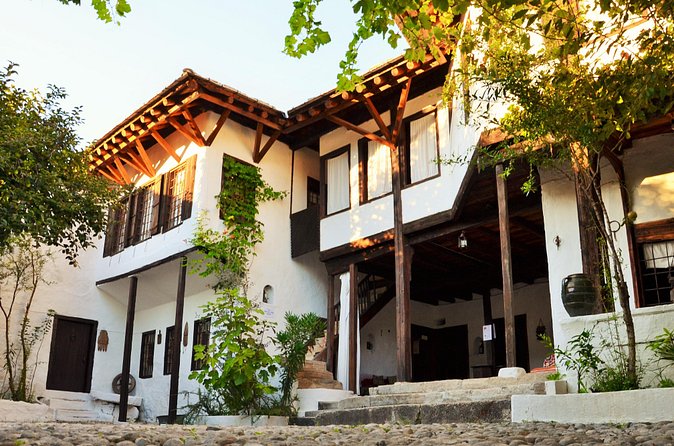
Mostar is often reduced to one famous image: the graceful Old Bridge over the Neretva. The bridge matters, of course, but it tells only part of the city’s story. The Ottoman Experience Tour is designed to explain how Mostar grew around Ottoman rule and how eastern and western influences shaped the place.
You will look at Ottoman-era buildings and historic landmarks, but the tour also aims at something more personal. It presents the city through the daily routine of a Mostar resident living in the Ottoman Empire. That means family life, religious rituals, architecture, coffee, and the practical hardships of the period.
I like this approach because it gives you a way to read the old center. A stone house is not just an attractive building. It becomes part of a story about privacy, family, faith, and work. A café is not simply a place to sit. It becomes a setting for one of Bosnia’s most familiar social rituals.
The language of the experience can sometimes sound broad, since Ottoman rule covered a huge area and lasted for centuries. Your guide is important here. A local guide can connect the large imperial story to Mostar’s streets and buildings, making the subject easier to follow.
A few more options to weigh up in Mostar
- From Dubrovnik: Mostar and Kravica Waterfall Day Trip
★ 4.7 · 4,709 reviews - Dubrovnik: Kravica Waterfalls, Mostar and Pocitelj Day Trip
★ 4.5 · 3,045 reviews - Discover Herzegovina Day Tour from Mostar: Kravice Waterfalls, Blagaj, Počitelj
★ 5.0 · 742 reviews
Starting near the Old Bridge at Onescukova 25
The listed meeting point is the iHouse Travel office on Onescukova Street, at number 25. It is in Mostar’s historic center, on the main cobblestone street, about 200 meters from the Old Bridge on the west side of the Neretva River.
That location is practical. You are not being sent to an out-of-town transport hub or a distant hotel. If you are already sightseeing in the old center, you can reach the office on foot and begin close to Mostar’s main historic district.
The experience advertises pickup and return for central Mostar hotels. The specific meeting details also identify the iHouse Travel office as the starting point, so I would confirm your pickup arrangement when you book. At the end, you return to the starting point.
The cobblestones are part of the setting, but they are also worth considering when choosing footwear. The tour is short, yet most of its appeal comes from moving through the historic center rather than sitting in a vehicle. Comfortable shoes will make the old town easier to enjoy.
Reading Mostar’s Ottoman-era buildings
The first major part of the tour focuses on architecture and historic landmarks. You will see buildings connected with Mostar’s Ottoman period and hear how they fit into the city’s development.
The supplied description frames this as the birth of Mostar. That does not mean you should expect a precise archaeological lecture or a complete timeline of every century. Instead, the tour gives you a guided introduction to the forces that shaped the city and its distinctive blend of eastern and western features.
This is where a local guide can add real value. You can ask why a building looks the way it does, how religious life affected the town, or how families used traditional homes. These are the questions that often disappear when you explore with only a map and a camera.
The historic center is also easier to understand when you know what to notice. Look for the relationship between homes, streets, places of worship, and commercial spaces. Your guide may help you connect those details to the daily life of ordinary residents rather than keeping the discussion at the level of rulers and dates.
The tour description uses the phrase peasant life, so the experience is not aimed only at palaces or elite Ottoman culture. It tries to show how imperial rule reached regular households. That makes the subject more grounded, though the exact depth of this discussion will depend on the guide and the questions you ask.
Religious customs and family life in an older Mostar home
The tour includes religious rituals and family life among its themes. These are useful subjects because Ottoman-era history can otherwise feel distant and formal. You hear about an empire, then see a bridge or mosque, but still may not understand how people organized a normal day.
This experience attempts to close that gap. You may learn how faith shaped routines, how family members shared space, and what traditional houses reveal about social life. The information provided does not name specific homes or religious sites included in the route, so you should not book expecting a fixed list of interior visits.
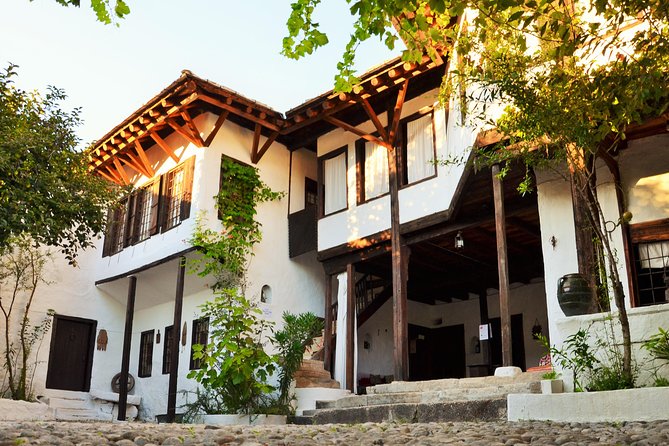
That uncertainty is worth noting. The tour promises exploration of family life in houses, but it does not clearly state whether you will enter a particular historic home or mainly discuss domestic life while walking through the old center. If access to interiors matters to you, ask iHouse Travel for clarification before paying.
Still, the theme is a strong reason to book. Architecture becomes more useful when it explains people. You are not simply collecting old buildings. You are learning how homes, faith, and community worked together in a city influenced by Ottoman customs.
A completely different kind of day:
- Herzegovina Day Tour from Mostar: Blagaj, Pocitej, Kravice falls (Join Us! :D)
★ 5.0 · 372 reviews - Mostar and Kravice Waterfalls Full-Day Tour from Split
★ 4.8 · 308 reviews - Break-up of Yugoslavia & The War in Mostar: Life Under Siege
★ 5.0 · 136 reviews - Mostar & Kravice Waterfalls: Guided Day Trip from Dubrovnik
★ 4.3 · 134 reviews
Learning to make Bosnian coffee at a local café
The Bosnian coffee class is the tour’s most distinctive feature. You do not simply receive a cup at the end. You learn how to make traditional Bosnian coffee properly at a local café.
For coffee lovers, this can be the most memorable part of the afternoon. The lesson gives a familiar drink a cultural setting. You learn that coffee is tied to preparation, hospitality, and time, not just caffeine. It is a small activity, but it lets you take part rather than only listen.
A previous guest specifically praised this part and described being a coffee lover. That detail matters because the class is not an afterthought for people who care about coffee. It was one of the strongest elements of the experience for that couple.
The description does not provide the exact method, equipment, or duration of the class, so I would avoid expecting a professional barista workshop. Think of it as a hands-on introduction to a local tradition. You will likely get the most from it if you ask questions and pay attention to the preparation instead of treating it as a routine refreshment stop.
Lunch is not included. That is easy to manage in Mostar, but plan accordingly. The coffee class should not be counted as a meal, and you may want to arrange lunch before or after the two-hour tour.
What Ruba adds to the experience
The only named guide in the available information is Ruba, and her personal manner received especially strong praise. A couple who spent an afternoon exploring Mostar with her found her easy to get along with, willing to answer questions, and very well informed about the city’s history.
That combination is important on a tour like this. The subject includes religion, empire, domestic life, and cultural change. You need a guide who can explain without turning every stop into a lecture. You also need someone who will pause when a question takes the conversation in a useful direction.
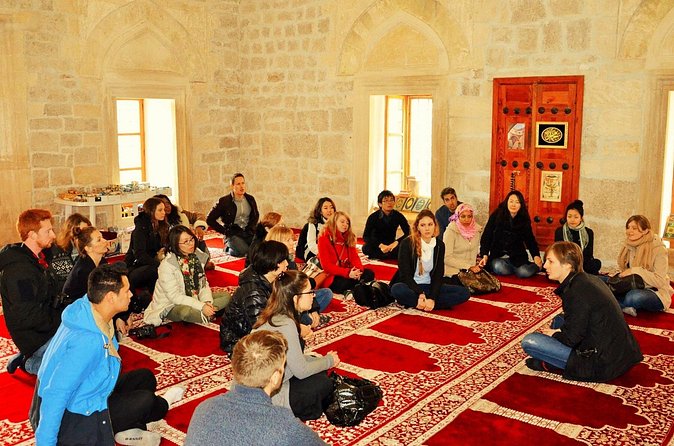
I cannot promise that Ruba will lead every departure, so check when booking if meeting her is important to you. The experience is offered in English, and the stated tour size can reach 20 people. A group of that size may feel less personal than a private walk, especially during the coffee class.
The minimum booking is two people. That makes the activity better suited to couples, friends, families, or small groups than to solo visitors looking for a guaranteed departure. Children must be accompanied by an adult, and most people can participate.
Is two hours enough for $41.40?
The price is $41.40 per person. For a tour lasting about two hours, that is not the cheapest way to walk through Mostar. You could see the old center independently for far less, especially if your main goal is photographs of the bridge and streets.
The value comes from the interpretation and the coffee class. You are paying for a local guide, a planned cultural activity, and the chance to ask questions while you explore. If you would otherwise wander through the old town without understanding the Ottoman connection, the fee may be reasonable.
The central meeting point also keeps the logistics simple. You do not need to spend part of the afternoon getting to a distant starting place. The stated central-hotel pickup and return may add convenience, though you should confirm the exact arrangement because the office is also given as the meeting point.
Two hours creates a clear tradeoff. The tour is easy to fit between other Mostar plans, but the discussion cannot cover every period of Bosnia and Herzegovina’s past. If you want military history, the modern conflict, nearby sites, or a long list of monuments, you will need additional sightseeing.
I see this as a focused cultural introduction, not a complete Mostar tour. The cost makes the most sense for people who value explanation, personal contact, and the coffee lesson.
Who should book the Ottoman Experience Tour?
I would recommend it to first-time visitors who want context before exploring the old center on their own. It also suits people with a particular interest in Ottoman architecture, religious customs, traditional homes, or Bosnian coffee.
Couples and small groups are a natural fit because the booking requires at least two people. Families can consider it too, provided children are accompanied by an adult and can manage a walking-focused historical experience.
Coffee lovers should give it serious attention. The class is not a generic tasting. You learn how to prepare Bosnian coffee properly, which gives the tour a practical memory you can carry beyond Mostar.
I would be more cautious if you want a long, highly detailed academic history or a full itinerary of named monuments. The information provided does not promise specific interior visits, a meal, or coverage beyond the Ottoman experience. The group may also include up to 20 people, which can limit personal attention.
Most travelers can participate, and the tour is near public transportation. The mobile ticket makes entry simple, while confirmation is issued at booking. Free cancellation is available up to 24 hours before the start time. Cancellations or changes made inside that window are not refunded or accepted.
Should you book it?
Book this tour if you want Mostar explained through ordinary life, not just famous views. The Bosnian coffee class, central location, and chance to speak with a local guide give the two hours a clear purpose.
I would book it early if your schedule is fixed, since the experience is often reserved well ahead of time, around 57 days in advance on average. Before confirming, check the pickup details, ask whether Ruba will lead your departure, and make sure the two-person minimum works for your party.
Skip it if you want lunch included, a full-day regional tour, or a guaranteed private group. For a compact introduction to Ottoman Mostar with a hands-on coffee lesson, though, $41.40 can be fair value.
FAQ
Where does the Ottoman Experience Tour start?
The listed starting point is the iHouse Travel office at Onescukova 25 in Mostar’s historic center. It is about 200 meters from the Old Bridge on the west side of the Neretva River.
Does the tour include hotel pickup?
The experience includes pickup and drop-off from central Mostar hotels. The meeting information also lists the iHouse Travel office as the starting point, so confirm the exact pickup arrangement when booking.
Where does the tour end?
The tour returns to the starting point.
How long does the tour last?
The tour lasts approximately two hours.
What language is the tour offered in?
The tour is offered in English.
Is Bosnian coffee included?
Yes. A Bosnian coffee class is included, and you learn how to make traditional Bosnian coffee properly at a local café.
Is lunch included?
No. Lunch is not included in the tour price.
How much does the tour cost?
The listed price is $41.40 per person.
Is there a minimum number of people required?
Yes. A minimum of two people is required per booking.
Can children join the tour?
Yes, children can participate, but they must be accompanied by an adult.
Just added in Mostar
- War Photo Exhibition Tour in Mostar★ 5.0 · 2 reviews
- Walking Tour in Old Town Mostar★ 5.0 · 5 reviews
- Wine Tour & Tasting (Herzegovina)★ 5.0 · 1 review
- Transfer service from Mostar-Sarajevo★ 5.0 · 1 review
- Herzegovina Highlights Tour from Mostar★ 5.0 · 2 reviews
- Private Tour in Croatia★ 5.0 · 1 review
- Pocitelj City Tour★ 4.5 · 3 reviews
- 2-Hour Cultural Walking Tour in One City-Three Stories of Mostar★ 4.0 · 2 reviews
Mostar Tours, compared.
From Dubrovnik: Mostar and Kravica Waterfall Day Trip
Read our review →
Dubrovnik: Kravica Waterfalls, Mostar and Pocitelj Day Trip
Read our review →
Discover Herzegovina Day Tour from Mostar: Kravice Waterfalls, Blagaj, Počitelj
Read our review →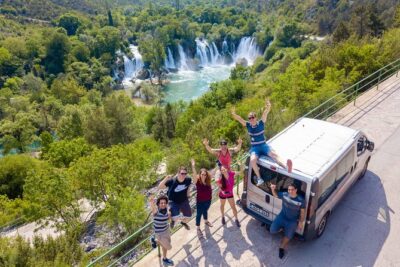
Herzegovina Day Tour from Mostar: Blagaj, Pocitej, Kravice falls (Join Us! :D)
Read our review →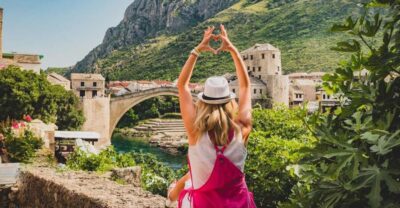
Mostar and Kravice Waterfalls Full-Day Tour from Split
Read our review →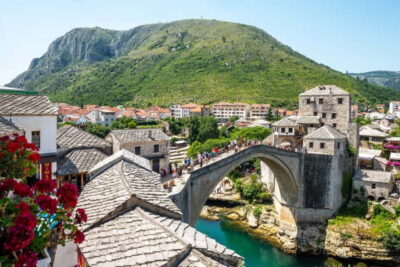
Mostar & Kravice Waterfalls: Guided Day Trip from Dubrovnik
Read our review →