
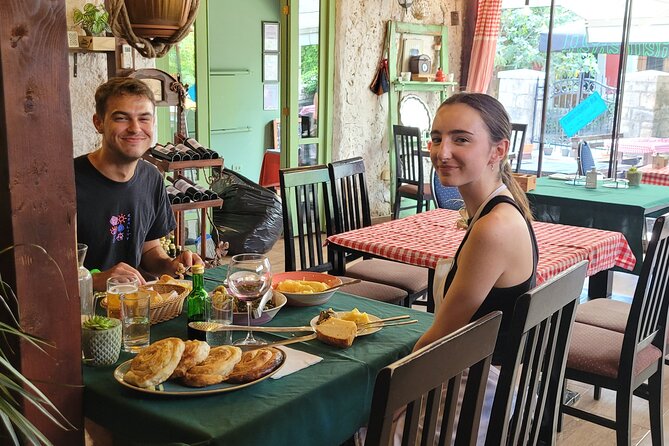
REVIEW · WORKSHOPS
Traditional Bosnian Cooking Class in Mostar with Lunch and Drinks
Come hungry, leave with recipes.
This three-hour cooking class in Mostar gives you a practical way to meet Bosnian food and culture at the same table. I like the hands-on format, where you knead dough, fill vegetables, season dishes, and eat what you prepare. I also like the warm, personal teaching style associated with Amina, who is praised for her patience and for letting each person try every step.
The main thing to watch is the departure time. The experience is offered in morning or afternoon sessions, while the supplied meeting information lists a 5:00 pm start. One person also arrived at the wrong time because the booking details had not been updated. Confirm your exact time before setting your Mostar plans around it.
In This Review
- Key points at a glance
- Why this class is a good fit for Mostar
- Arriving at Food House Mostar
- A welcoming drink and Bosnian mezze
- Learning dolma, japrak, and stuffed vegetables
- The pastry lesson: burek and the long rolling pin
- Sitting down to the three-course meal
- A personal host makes the difference
- Is $90.11 a fair price?
- Who should book this cooking class?
- Should you book it?
- FAQ
- Where does the cooking class meet?
- Where does the experience end?
- How long does the class last?
- What time does the class start?
- Is the class offered in English?
- What food might I prepare?
- Are drinks included?
- Can children join the class?
- Can I cancel for a full refund?
Key points at a glance
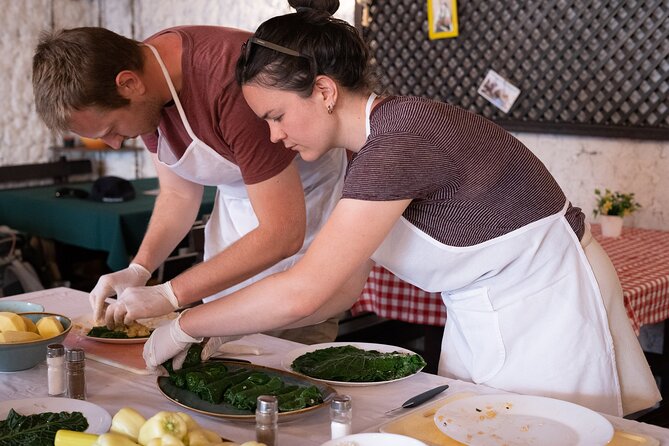
- You make real Bosnian staples: Expect dishes such as dolma, japrak, stuffed peppers, kale leaves, burek, and a pastry spiral, depending on the class menu.
- Amina gets especially high marks: Her calm, patient teaching style suits beginners and families.
- The meal is part of the lesson: You eat a three-course spread made in the kitchen, with local wine or beer included.
- Rakija starts the welcome: A traditional rakija drink is included, along with food and, in some sessions, other local drinks such as elderberry cordial.
- The setting is central: Food House Mostar is at Rade Bitange 12, and the activity ends at the same place.
- Bring an appetite: Portions can be generous enough that leftovers may be packed up for later meals.
Why this class is a good fit for Mostar
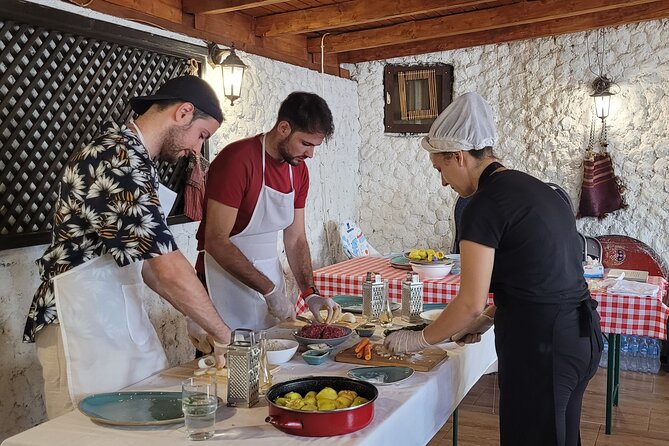
Mostar is famous for its bridge, stone lanes, and river views. Those sights are worth your time, but food can tell you something a postcard cannot. A cooking class lets you handle the ingredients, hear how dishes are made at home, and sit down to a meal instead of simply ordering one.
This experience is held at Food House Mostar, a restaurant and commercial kitchen in the center of town. You get the tools, spices, and ingredients you need, so there is no need to shop beforehand or arrive with cooking equipment. The class is conducted in English, and a multilingual guide may be arranged on request.
I especially like the way the class connects food with everyday life. Amina has been praised for explaining each stage clearly and allowing people to do the work themselves. That matters. Watching someone roll pastry is easy. Rolling it yourself with a long, thin Bosnian pin is another matter entirely.
The pace also appears to be forgiving. One couple described struggling with pastry rolling but still having a relaxed and enjoyable morning. That is good news if your cooking skills begin and end with boiling pasta. This is not presented as a test, and you do not need to arrive as an experienced cook.
More workshops in Mostar:
- Bosnian Cooking Lessons
★ 5.0 · 269 reviews - Bosnian Traditional Handicraft, half-day – do it yourself – Coppersmith Workshop
★ 5.0 · 13 reviews - COPPER HANDICRAFT WORKSHOP (Make your own souvenir from Sarajevo)
★ 5.0 · 10 reviews
Arriving at Food House Mostar
The meeting point is Food House Mostar, at Rade Bitange 12, Mostar 88104. The activity begins and ends there, with no hotel pickup or drop-off. Plan to make your own way to the restaurant and allow a little extra time to find the address.
The class lasts about three hours. A 5:00 pm departure is listed, although morning and afternoon options are also offered. Because the timing information can vary, check the confirmed departure carefully after booking. This is more than a minor detail if you have a bridge tour, day trip, or restaurant reservation planned for the same day.
The class requires at least two people per booking. The maximum group size is 20, so the atmosphere may change depending on the number of bookings. A small group should feel more conversational and allow more time with the instructor. A full group may feel livelier, but you could have less room to work directly beside the guide.
Minimum age is nine. Anyone under 18 should not be counted on to drink, since the minimum drinking age for included alcoholic beverages is 18. Tell the operator about dietary requirements when you book. The supplied information does not promise that every request can be met, so early notice is important.
A welcoming drink and Bosnian mezze
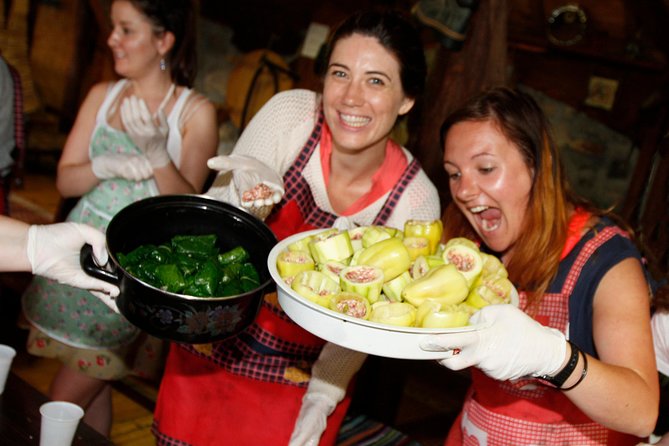
The experience begins with an introduction, followed by food and drink before the main cooking work gets going. A rakija welcome drink is included. Rakija is a strong fruit brandy common across the Balkans, so take it slowly if you are not used to spirits.
The sample menu begins with a Bosnian mezze platter. That gives you a chance to settle in and taste several small items before turning to the more involved dishes. Some people also received coffee and a board of nibbles at the start of a morning session. Other local drinks, including elderberry, have also been part of the welcome and cooking experience.
The exact extras can vary, so I would treat the sample menu as a guide rather than a fixed promise. The listed dishes are a starter of Bosnian mezze, japrak, dolma, and hurmasice for dessert. Other accounts describe stuffed peppers, stuffed kale leaves, burek, a stuffed pastry spiral, butternut squash pie, and sweet lemon-vanilla cookies.
That variety is part of the appeal, but it also means you should not arrive expecting one exact set of dishes unless the operator confirms it. The food is traditional, yet the menu may shift with the session or kitchen plan.
Learning dolma, japrak, and stuffed vegetables
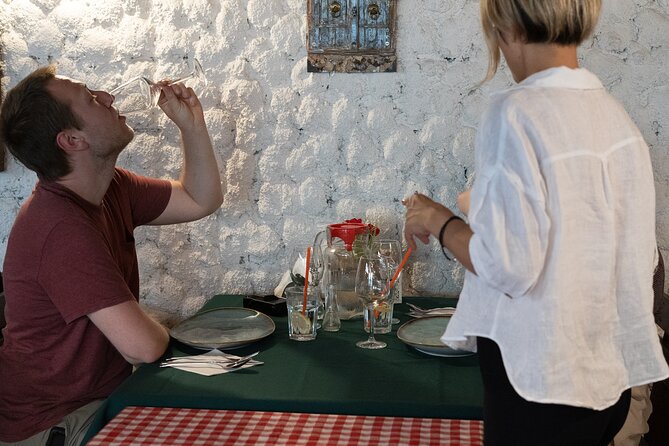
Dolma refers to vegetables or leaves filled with a seasoned mixture. Japrak is a close cousin, usually made with filled leaves. In this class, you may work with stuffed vegetables, peppers, or kale leaves, then cook and taste the results at the table.
This is where the class offers more than a meal. You learn how fillings are prepared, how much to use, and how to fold or close the leaves and vegetables. The process is repetitive in a useful way. After making several pieces, you begin to understand the balance between neat presentation and home-style cooking.
Amina is repeatedly praised for being patient, attentive, and easy-going. One family found that children were eager to eat the dishes they had helped make. That makes the activity a strong choice for families with children aged nine or older, provided the adults are comfortable managing the food and any hot equipment.
The class also creates a natural opening for cultural questions. A family described Amina speaking candidly about the Bosnian war when asked. That conversation is not presented as a formal history lecture, and you should not expect a museum-style lesson. Still, food and personal stories can give you a more human way to understand Mostar and Bosnia and Herzegovina.
A few more options to weigh up in Mostar
- From Dubrovnik: Mostar and Kravica Waterfall Day Trip
★ 4.7 · 4,709 reviews - Dubrovnik: Kravica Waterfalls, Mostar and Pocitelj Day Trip
★ 4.5 · 3,045 reviews - Discover Herzegovina Day Tour from Mostar: Kravice Waterfalls, Blagaj, Počitelj
★ 5.0 · 742 reviews - Herzegovina Day Tour from Mostar: Blagaj, Pocitej, Kravice falls (Join Us! :D)
★ 5.0 · 372 reviews
The pastry lesson: burek and the long rolling pin
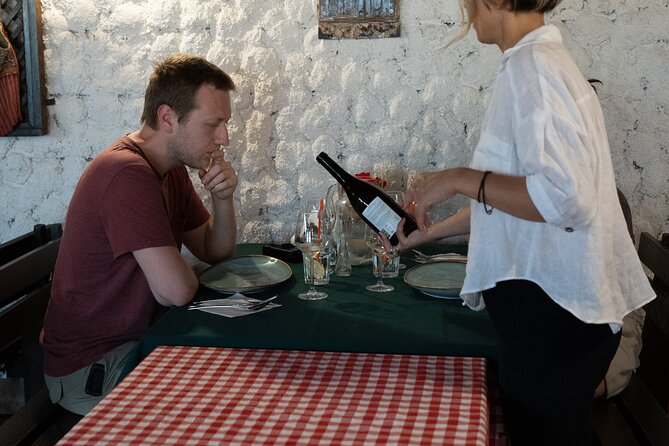
Burek is one of the dishes most closely linked with the class. You work with pastry, filling, and shaping, using a long, thin Bosnian rolling pin. This technique is simple in appearance and surprisingly tricky in practice.
One participant missed part of the class because of a time error but still singled out the traditional method for making perfect burek. Another person described poor pastry-rolling skills and still had a great time. That tells you what the class is trying to do: teach a local technique without making you feel foolish when the first attempt looks more like a pastry accident.
You may also prepare a stuffed pastry spiral or a butternut squash pie. These details suggest that the pastry portion can vary, but the lesson remains tactile and practical. You are not just being shown a finished burek and handed a fork.
If you have limited hand strength or dislike working with dough, this may be the least comfortable part of the experience. The supplied information does not provide accessibility details for the kitchen, so ask ahead if you have mobility or physical concerns.
Sitting down to the three-course meal
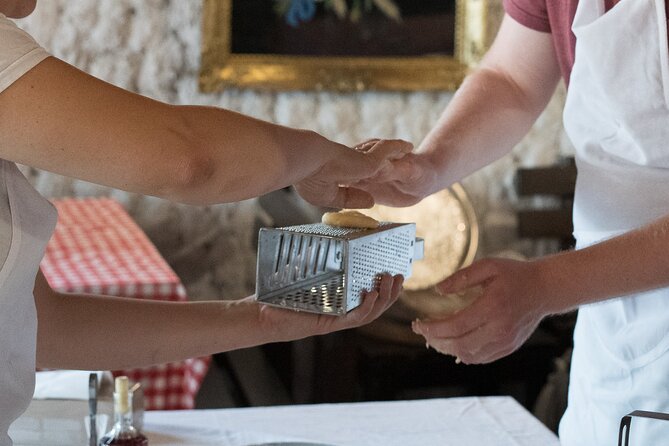
Once the cooking is finished, you eat the food you prepared. The meal is described as a three-course Bosnian lunch or dinner, with local wine or beer included. The sample menu lists mezze, japrak and dolma, and hurmasice, a traditional sweet pastry or cookie-style dessert.
The meal is the reward, but it is also an important part of the learning. You can taste how the pastry turned out, compare the seasoning of the stuffed dishes, and ask questions while everything is still fresh. Food usually makes a better memory when you know how it reached the plate.
The class includes lunch or dinner, depending on the departure. Additional beverages are not included. That distinction matters if you plan to order more wine, beer, or other drinks beyond what is provided.
Come with an empty stomach. One couple took home leftovers and enjoyed them for lunch and dinner afterward. Leftovers are not guaranteed in the formal inclusions, but the portions may be generous. If you are visiting Mostar on a tight schedule, this could also serve as your main meal for the evening rather than an extra activity before dinner.
A personal host makes the difference
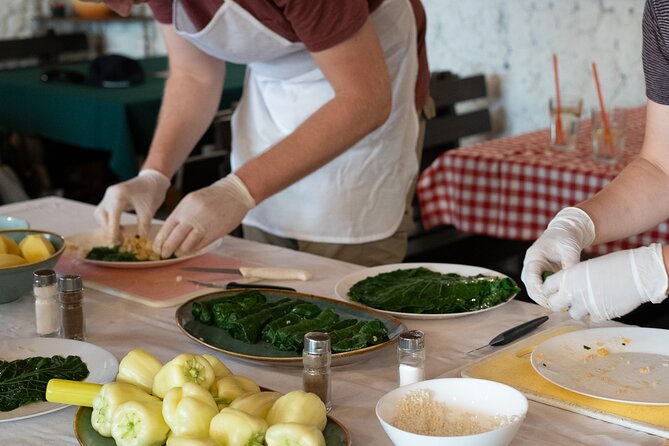
The strongest part of this experience is the teaching. Amina is praised for being thorough while still letting people take control of the cooking. You are encouraged to knead, stir, season, fill, and roll instead of standing at a counter while an instructor does everything.
That approach works especially well for couples and families. One couple booked on a quiet morning when they were the only people in the class, yet still felt comfortable and well looked after. A private-feeling session can be a real advantage if you want to ask questions or need extra help with dough.
There is also evidence that the wider Food House team handles changes with care. When an original guide became ill, other guides worked together to keep the class going. That does not guarantee a particular instructor, but it suggests some flexibility when plans change.
The only caution is that the guide may be multilingual rather than exclusively English-speaking if you request it. The experience is offered in English, but confirm your language needs when booking.
Is $90.11 a fair price?
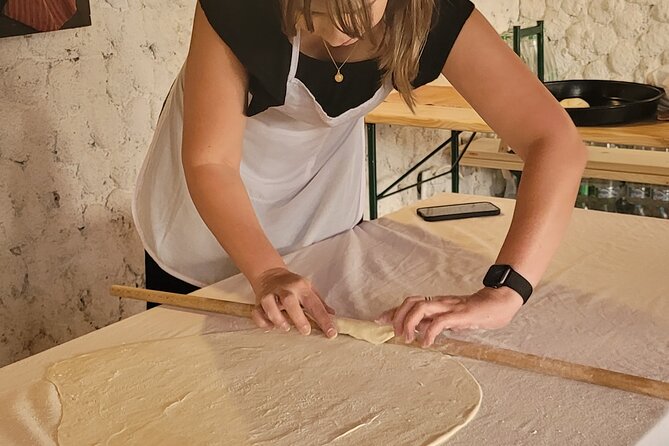
At $90.11 per person, this is not a cheap meal. It is also more than a basic market snack or restaurant dinner in Mostar. The value comes from what is bundled into the price: an English-speaking guide, a cooking lesson, use of a commercial kitchen, ingredients, tools, a rakija welcome drink, and a three-course meal with local wine or beer.
I consider the price reasonable if you want an activity that combines food, conversation, and practical instruction. You are paying for roughly three hours, not simply for the dishes on the table. The class also replaces a separate lunch or dinner, which improves the value.
It is less attractive if you are mainly looking for a low-cost meal or if you dislike group activities. The maximum of 20 people is not tiny, and the final menu may vary. You should book this for the cooking and cultural contact, not just for a guaranteed plate of one particular dish.
The fact that the experience is often booked 44 days ahead suggests that popular dates can fill early. If your Mostar stay is short, reserve before arrival and then check the confirmed start time.
Who should book this cooking class?
I would recommend it to food-focused visitors who want to do something beyond sightseeing. It suits couples, families with children aged nine or older, and anyone curious about Bosnian home cooking. It is also a good choice if you like meeting a local host and asking questions in an informal setting.
Beginners should feel comfortable. The teaching style is patient, and the class lets you try each stage even if your pastry rolling is not elegant. You will probably get more from it if you enjoy participation rather than passive demonstrations.
This may not be right for you if you need a fully fixed menu, cannot eat the listed ingredients, or want a short activity under an hour. Dietary needs should be provided at booking, and the operator can then tell you what is possible.
Free cancellation is available if you cancel at least 24 hours before the start time. Cancellations made inside that window are not refunded, and changes are not accepted. If the minimum number is not reached and the activity is canceled, you are offered another date or experience, or a full refund.
Should you book it?
Yes, if you want a warm, useful introduction to Bosnian food and do not mind getting your hands messy. The combination of dolma, japrak, burek, local drinks, and a shared meal gives you something to remember after the stone streets blur together.
Book it with three checks: confirm the exact departure time, share dietary requirements early, and leave room in your schedule for the full three hours. If Amina leads your class, expect patient instruction and plenty of chances to try the techniques yourself. For many people, that personal contact will be worth more than another standard restaurant meal in Mostar.
FAQ
Where does the cooking class meet?
It meets at Food House Mostar, Rade Bitange 12, Mostar 88104, Bosnia and Herzegovina.
Where does the experience end?
It ends back at the meeting point, Food House Mostar.
How long does the class last?
The activity lasts approximately three hours.
What time does the class start?
The supplied meeting information lists a 5:00 pm start. Morning and afternoon departures are also offered, so confirm your selected time after booking.
Is the class offered in English?
Yes. The experience is offered in English. A multilingual guide may be arranged on request.
What food might I prepare?
The sample menu includes Bosnian mezze, japrak, dolma, and hurmasice. Other sessions have included burek, stuffed peppers, stuffed kale leaves, a pastry spiral, butternut squash pie, and sweet lemon-vanilla cookies.
Are drinks included?
A rakija welcome drink and local wine or beer with the three-course meal are included. Additional beverages are not included.
Can children join the class?
The minimum age is nine. The minimum drinking age is 18.
Can I cancel for a full refund?
Yes, if you cancel at least 24 hours before the experience start time. Cancellations or changes made less than 24 hours before the start time are not accepted for a refund.
Just added in Mostar
- War Photo Exhibition Tour in Mostar★ 5.0 · 2 reviews
- Walking Tour in Old Town Mostar★ 5.0 · 5 reviews
- Wine Tour & Tasting (Herzegovina)★ 5.0 · 1 review
- Transfer service from Mostar-Sarajevo★ 5.0 · 1 review
- The Ottoman Experience Tour in Mostar★ 5.0 · 1 review
- Herzegovina Highlights Tour from Mostar★ 5.0 · 2 reviews
- Private Tour in Croatia★ 5.0 · 1 review
- Pocitelj City Tour★ 4.5 · 3 reviews
Workshops, compared.
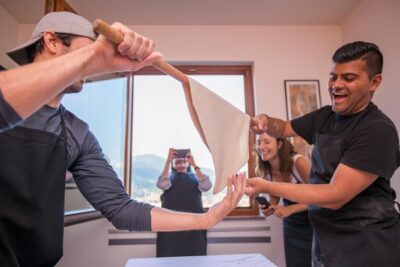
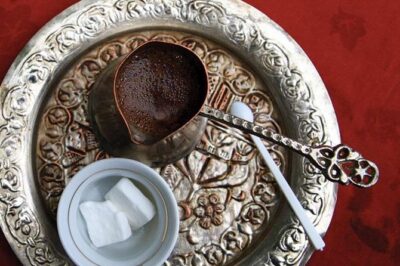
Bosnian Traditional Handicraft, half-day – do it yourself – Coppersmith Workshop
Read our review →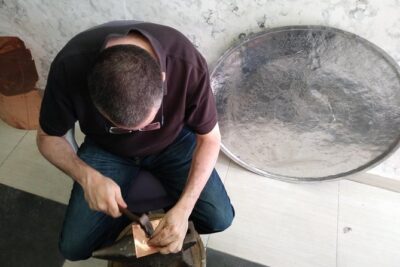
COPPER HANDICRAFT WORKSHOP (Make your own souvenir from Sarajevo)
Read our review →
Sarajevo Street Art & Graffiti Workshop Funky Half Day Tour of Sarajevo
Read our review →
SARAJEVO STREET ART WORKSHOP (enjoy nature & spray on bobsleigh)
Read our review →Browse the lists this tour appears in