
REVIEW · MUSEUMS
Authentic Antique Museum Home
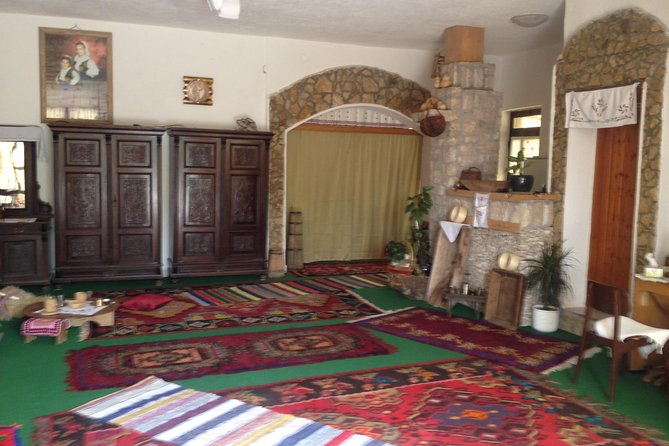
Old homes tell better stories than glass cases. The Authentic Antique Museum in Blagaj offers a close look at everyday Bosnian and Herzegovinian life through a private house, its furnishings, garden, and household objects. You can walk through the rooms, ask the hosts questions, and see how traditional domestic life was arranged.
I like the small price of $3.80 per person, which makes this an easy addition to a Mostar or Blagaj day. I also like the personal setting: this is a house-turned-museum, not a large formal institution, so the objects make sense in the rooms where people used them. The main consideration is timing. The visit is listed at roughly two to three hours, which may feel long if you only want a quick look.
I especially appreciate the chance to add Bosnian coffee and snacks. That turns the visit from a simple admission stop into a more social look at local customs. Still, coffee and snacks cost extra, and the available information does not give a detailed breakdown of the menu or upgrade price.
In This Review
- Key Points to Know Before You Go
- Why This Small Home Museum Matters in Blagaj
- Entering a Hand-Built Stone and Wood Home
- Reading the Rooms Through Everyday Objects
- The Garden Adds a Second Layer
- Bosnian Coffee Makes the Visit More Social
- Planning It With the Blagaj Tekija and Buna Spring
- How Long Should You Allow?
- The Price: A Low-Cost Cultural Addition
- Who Will Enjoy This Experience Most?
- Booking and Cancellation Advice
- Should You Book the Authentic Antique Museum Home?
- FAQ
- Where is the Authentic Antique Museum Home?
- How much does admission cost?
- How long does the visit take?
- What can I see at the museum?
- Is Bosnian coffee included?
- What are the opening hours?
- Is the experience available with a mobile ticket?
- Can I cancel for a refund?
Key Points to Know Before You Go
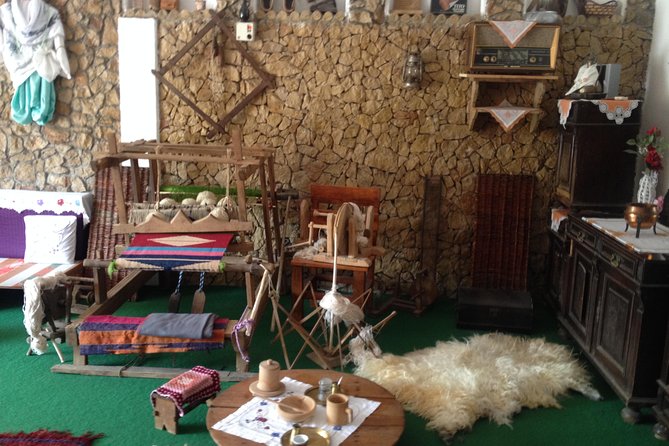
- A real house, not a standard museum: The experience uses a private home to show traditional furnishings and household life.
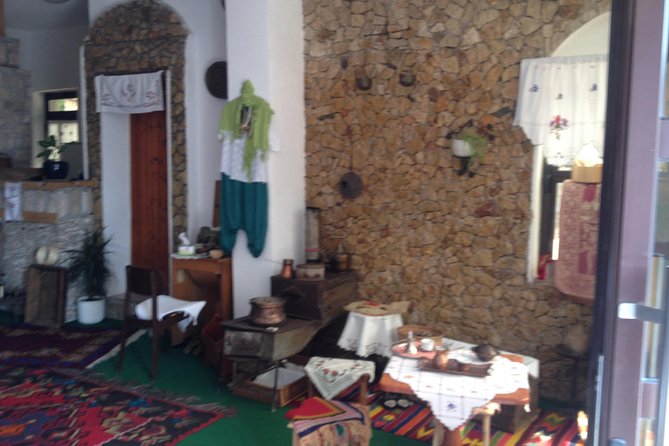
- Hand-built stone and wood details: The house includes rock construction, fine stone work, and wood ornamentation.
- A garden full of useful clues: Pomegranate, fig, and kiwi trees add an outdoor side to the visit.
- Traditional domestic features: Look for a low table, samovar, areas for family and friends, and a fireplace oven.
- Optional coffee and snacks: You can add Bosnian coffee and snacks for a fuller cultural visit.
- Easy to fit into a Blagaj day: The attraction is open daily from 9 a.m. to 9 p.m., according to the supplied schedule.
Why This Small Home Museum Matters in Blagaj
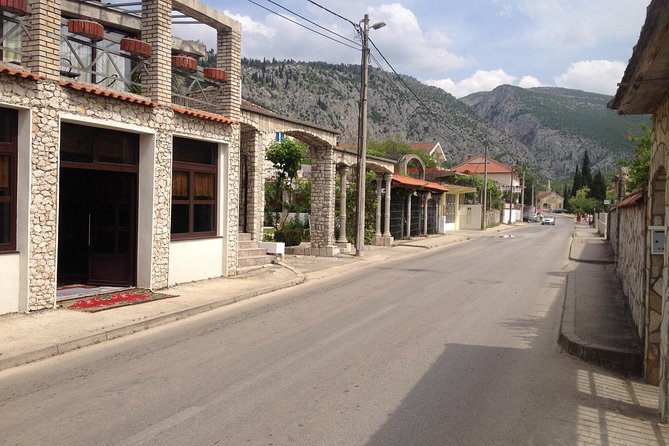
Blagaj gives you a different side of the Mostar area. The village-town sits in the southeastern part of the Mostar basin, at the edge of the Bišće plain. It is known for the spring of the Buna River and the Blagaj Tekija, a Dervish monastery built around 1520 with Ottoman and Mediterranean architectural elements.
That setting makes the museum a useful companion to Blagaj’s better-known religious and historic sights. At the tekija, you see a place shaped by faith and public history. In this home, you get closer to the ordinary side of life: where people sat, prepared food, received family, and arranged their household belongings.
The name Blagaj is likely tied to its mild weather. In Serbo-Croatian, blaga means mild. You do not need to turn the museum into a major history lesson to enjoy it. Its value is simpler. It gives you a physical sense of how a home worked, and it helps you picture daily routines that can be hard to understand from monuments alone.
More museums in Mostar:
- War Photo Exhibition Tour in Mostar
★ 5.0 · 2 reviews - Fall of Yugoslavia, Sarajevo War Tour with Tunnel of Hope Museum and Frontlines
★ 5.0 · 1,314 reviews - Tunnel Museum: Bosnian & Yugoslav Wars Tour with War Veteran
★ 5.0 · 551 reviews
Entering a Hand-Built Stone and Wood Home
The house itself is one of the main objects on display. It was built by hand with rock, then finished with fine stone and wood ornamentation. That construction gives the visit an architectural focus before you even begin looking at the individual antiques.
I would pay attention to the materials and workmanship as you move from room to room. A formal museum often separates an object from its setting. Here, the building supplies part of the explanation. Stone, timber, the room layout, and household equipment work together to show how a home could serve several purposes at once.
The supplied details do not identify the age of every object or explain who originally used each room. That means you should treat the visit as a visual and conversational introduction rather than a fully labeled academic collection. The hosts are important because they can answer questions and explain details that may not be obvious at first glance.
The private-home setting also requires a little patience. You are not simply passing through a row of display cases. The experience is intended to be personal, so take time to look closely and listen. If you prefer a quick, highly structured museum visit, two to three hours may be more time than you want to spend.
Reading the Rooms Through Everyday Objects
The best part of this experience is the way small domestic details add up. The low table, samovar, family and friends’ sitting areas, and fireplace oven give you practical clues about home life.
A low table tells you something about how people gathered and ate. A samovar points to the importance of hot drinks and shared hospitality. Areas for friends and family show that the home was not only a private sleeping space. It was also a place for conversation, visits, and social life.
The fireplace oven is another useful detail. It connects the home to cooking and warmth, rather than leaving you with a collection of decorative antiques that have no clear purpose. You can begin to picture the house as a working place, where architecture and objects supported ordinary routines.
I would resist trying to identify every item as a rare treasure. The value here is not only in age or decoration. A humble object can tell you as much as an ornate one if it explains how people lived. The museum works best when you ask what an object was used for, who might have handled it, and how it fit into the room.
Because the collection is displayed in a home, the experience may also feel less polished than a major city museum. That is not necessarily a flaw. The informal setting is part of the appeal, but it also means the quality of your visit may depend on the conversation you have with the hosts.
The Garden Adds a Second Layer
Do not treat the garden as an afterthought. The outdoor space includes pomegranate, fig, and kiwi trees, which add a useful link between the house and the food people could grow or enjoy locally.
These trees help you think beyond interiors. Traditional home life was shaped by what people planted, harvested, prepared, and shared. The garden also gives the visit a change of pace after the rooms and provides another way to understand the property as a lived-in home.
The supplied information does not promise a formal garden tour, a harvest demonstration, or a set route outdoors. You should expect to wander and look rather than follow a detailed botanical program. The trees are valuable because they make the property feel connected to daily life, not because the garden is presented as a separate attraction.
If you are visiting in warm weather, the garden may be one of the more comfortable parts of the experience. The tour requires good weather, so poor conditions can affect the schedule. If the experience is canceled because of weather, you are offered another date or a full refund.
A few more options to weigh up in Mostar
- From Dubrovnik: Mostar and Kravica Waterfall Day Trip
★ 4.7 · 4,709 reviews - Dubrovnik: Kravica Waterfalls, Mostar and Pocitelj Day Trip
★ 4.5 · 3,045 reviews - Discover Herzegovina Day Tour from Mostar: Kravice Waterfalls, Blagaj, Počitelj
★ 5.0 · 742 reviews - Herzegovina Day Tour from Mostar: Blagaj, Pocitej, Kravice falls (Join Us! :D)
★ 5.0 · 372 reviews
Bosnian Coffee Makes the Visit More Social
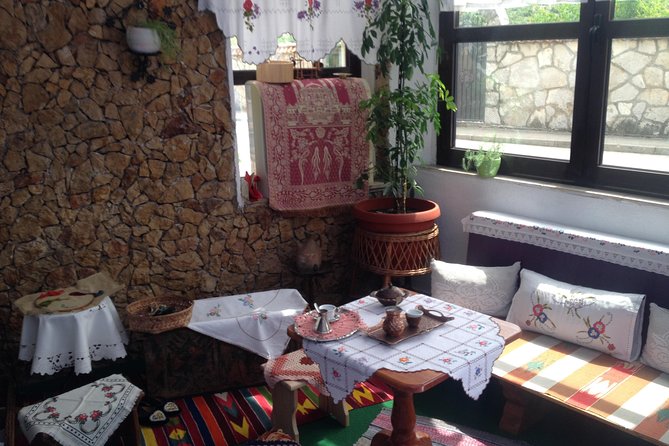
You can upgrade your visit to include traditional Bosnian coffee and snacks. For many people, this will be the most memorable option because it gives the household objects a living context.
Coffee is not just a drink here. It creates a reason to sit, talk, and use the kind of social space represented by the low table and visiting areas. The samovar and fireplace oven also make more sense when you think about hospitality as part of the home’s daily rhythm.
The upgrade is optional, so you can keep the cost low if you only want to see the house and garden. At $3.80 for admission, the basic visit is a strong value for a culturally curious visitor. If the coffee and snacks are reasonably priced, the upgrade could be worth it for anyone who likes to slow down and connect a place with its customs.
The exact coffee and snack choices are not specified, so I would not book this expecting a full meal or a cooking class. Think of it as a traditional refreshment served during a home visit. You should also allow enough time to sit without rushing to your next stop.
Planning It With the Blagaj Tekija and Buna Spring
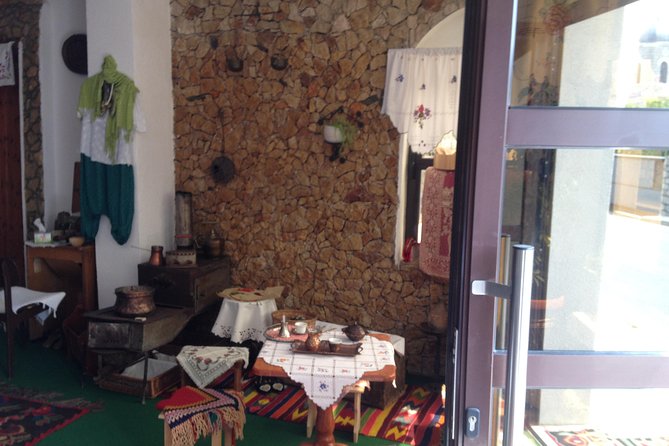
Blagaj is well suited to a day or half-day visit from Mostar. The village is located at the Buna River spring and is known for its historic tekija. The Blagaj Tekija is associated with Dervish religious orders and combines Ottoman and Mediterranean architectural features.
The antique home museum gives you a domestic counterpoint to that landmark. One stop shows a religious site with public importance. The other helps you picture household routines and family gatherings. Together, they offer a broader view of Blagaj than either stop alone.
The supplied schedule lists opening hours every day from 9 a.m. to 9 p.m., covering Monday through Sunday. Those long hours give you flexibility, especially if you are fitting the museum around other stops in Blagaj or a larger Mostar itinerary.
The meeting information does not provide a detailed pickup service or exact transport plan. You should confirm the meeting details at booking and plan your route accordingly. The experience is near public transportation, and service animals are allowed. Most people can participate, but specific information about stairs, surfaces, or restroom facilities is not provided.
How Long Should You Allow?
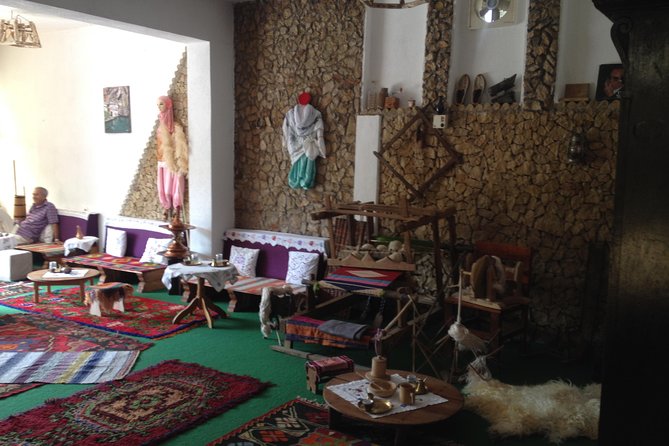
The expected visit lasts about two to three hours. That is a generous amount of time for a small house museum, but it makes more sense if you include the garden, questions with the hosts, and the optional coffee and snacks.
If you want only a short look at antiques, you may feel that the visit moves slowly. If you enjoy architecture, household history, and personal explanations, the length gives you room to notice details that a rushed stop would miss.
I would avoid placing this experience between two tightly timed activities. The museum is better suited to an unhurried part of your day. You can look carefully, talk with the hosts, sit for coffee if you choose, and then continue to the other sights in Blagaj.
The mobile ticket is useful for planning. You can prebook admission and have confirmation at the time of booking, which helps when you are arranging a day around several attractions. The ticket does not remove the need to check the meeting details, since the exact meeting point is not explained in the supplied information.
The Price: A Low-Cost Cultural Addition
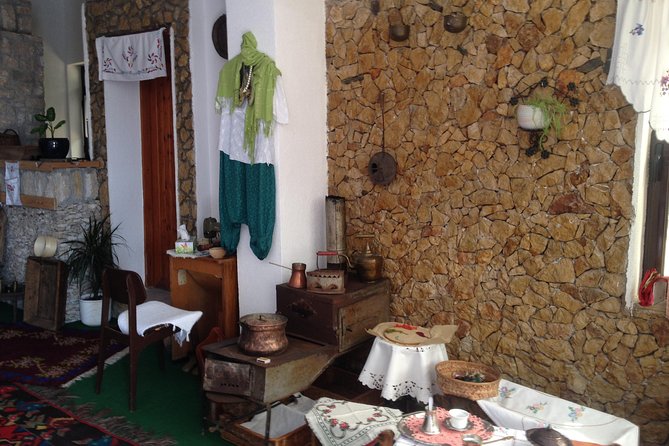
At $3.80 per person, admission costs less than many organized activities in the Mostar area. That price matters because it lowers the risk of trying something different. You do not need to devote a large part of your sightseeing budget to a small local museum.
The value comes from the setting and the chance to speak with the hosts. You are paying for access to a home, its objects, its garden, and the explanations that connect them. If you only count the number of antiques, the price may seem less important. If you value context and a personal welcome, it is a sensible buy.
The optional refreshment upgrade changes the calculation. Since its price is not provided, check the final cost before booking. I would choose it if you have enough time and want the visit to feel social. I would skip it if you are mainly collecting quick sights or watching every mark in your budget.
A small rating record is available for this experience, with a top score from one submitted review. That is encouraging, but it is not enough evidence to make sweeping claims about consistency. Your experience may depend on the host interaction, the weather, and how much time you give the house.
Who Will Enjoy This Experience Most?
I would recommend the museum to you if you like local homes, traditional objects, architecture, and informal conversations. It suits visitors who want to understand how people lived, not only photograph famous buildings.
Families may find the house easier to discuss than a large collection because the objects have clear everyday uses. Children can look for the low table, oven, samovar, stonework, and garden trees. The activity is also a good choice for anyone who has already seen Mostar’s main sights and wants a quieter stop nearby.
It may be less suitable if you want a guided walk through several major monuments, a formal lecture, or a tightly timed group program. The experience centers on one home, and the available details do not promise a professional guide, a large collection, or a fixed educational presentation.
You should also consider the weather. The experience requires good conditions, and the garden is part of its appeal. If the forecast is poor, keep your schedule flexible.
Booking and Cancellation Advice
You receive confirmation when booking, and the experience uses a mobile ticket. Free cancellation is available if you cancel at least 24 hours before the start time. Cancellations made less than 24 hours ahead are not refunded, and changes within that period are not accepted.
The cutoff follows local time. The experience also requires a minimum number of participants. If that minimum is not reached, you are offered another date or experience, or a full refund.
These rules are fair for a small hosted experience, but they reward early planning. I would book once your Blagaj day is fairly settled, then avoid placing the museum at the center of a fragile schedule.
Should You Book the Authentic Antique Museum Home?
Yes, if you want a low-cost, personal look at Bosnian and Herzegovinian home life. The hand-built stone house, decorated woodwork, household objects, garden trees, and traditional sitting areas offer details you will not get from a quick pass through a major monument.
I would book the coffee and snack option if you enjoy sitting and talking, since it brings the social side of the house into focus. I would choose the basic admission if you have limited time or prefer to keep the stop simple.
The main question is not how famous the museum is. It is whether you want to slow down and notice the small things: where people sat, how they hosted family, how the oven worked, and how the garden belonged to the home. For that kind of visitor, this is an inexpensive and worthwhile addition to a Mostar or Blagaj day.
FAQ
Where is the Authentic Antique Museum Home?
It is in Blagaj, Bosnia and Herzegovina, near the Mostar area.
How much does admission cost?
The listed admission price is $3.80 per person.
How long does the visit take?
The visit lasts approximately two to three hours.
What can I see at the museum?
You can see the rooms, garden, traditional furnishings, antiques, household effects, a low table, a samovar, family and friends’ sitting areas, and a fireplace oven.
Is Bosnian coffee included?
Traditional Bosnian coffee and snacks are available as an upgrade. They are not included in the basic admission information.
What are the opening hours?
The listed opening hours are 9 a.m. to 9 p.m., Monday through Sunday.
Is the experience available with a mobile ticket?
Yes. The experience includes a mobile ticket, and confirmation is provided at booking.
Can I cancel for a refund?
Yes. You can receive a full refund if you cancel at least 24 hours before the experience start time. Poor weather or failure to reach the minimum number of participants may also lead to another date or a full refund.
Just added in Mostar
- War Photo Exhibition Tour in Mostar★ 5.0 · 2 reviews
- Walking Tour in Old Town Mostar★ 5.0 · 5 reviews
- The Ottoman Experience Tour in Mostar★ 5.0 · 1 review
- Wine Tour & Tasting (Herzegovina)★ 5.0 · 1 review
- Transfer service from Mostar-Sarajevo★ 5.0 · 1 review
- Herzegovina Highlights Tour from Mostar★ 5.0 · 2 reviews
- Private Tour in Croatia★ 5.0 · 1 review
- Pocitelj City Tour★ 4.5 · 3 reviews
Museums, compared.

SARAJEVO CONCEPTUAL ART TOUR (galleries, art and arhitecture)
Read our review →Browse the lists this tour appears in