
REVIEW · JAJCE AND TRAVNIK TOURS
Bosnian Kingdom Capitals: Travnik & Jajce Tour from Sarajevo
Bosnia’s past is packed into one day. This private full-day outing from Sarajevo links Travnik and Jajce, two former seats of power with Ottoman mosques, medieval fortresses, underground chambers, Roman remains, waterfalls, and old watermills. You also get bottled water, snacks, Wi-Fi, an air-conditioned vehicle, and entrance fees included.
I like the strong mix of culture and scenery. You are not spending the whole day inside museums, and you are not simply rushing from one viewpoint to another. The tour also earns praise for its organization, including the way Muhammad arranged local guides in Travnik and Jajce for one solo participant. The main drawback is the clock: 10 to 12 hours is a long day, and several stops are brief because much of the time goes to driving.
You meet at Sarajevo City Hall and return there after dinner in Jajce. The price is $150.10 per person, which is fair for a private vehicle, a full day on the road, included admissions, and local guiding, though lunch, dinner, drinks, and personal purchases cost extra.
In This Review
- Key Points Before You Book
- Why Travnik Makes a Strong First Stop
- Mosques, Churches, and Travnik’s Many Layers
- Ottoman Memorials Around Travnik
- Jajce: Medieval Power Beneath and Above the Town
- From Yugoslav Politics to Ancient Rome
- Pliva Waterfall Is the Day’s Big Natural Scene
- Mlincici and the Dinner Pause
- What the $150.10 Price Really Covers
- Timing, Comfort, and Who Will Like This Day
- Should You Book the Travnik and Jajce Tour?
- FAQ
- Where does the tour begin?
- Where does the tour end?
- How long does the tour last?
- Is this a private tour?
- What is included in the price?
- Are lunch and dinner included?
- Are alcoholic drinks included?
- What are the main places visited in Travnik?
- What are the main places visited in Jajce?
- Can I cancel for a full refund?
Key Points Before You Book
- Travnik packs in Ottoman and Austro-Hungarian sights, from Plava Voda and Šarena Džamija to the hilltop Old Town fortress.
- Jajce combines several eras in one compact visit, including medieval catacombs, a Roman Mithra temple, the AVNOJ Museum, and a royal fortress.
- Pliva Waterfall and Mlincici watermills provide the day’s strongest natural and rural scenes.
- The tour is private, so only your group participates, with pickup at Sarajevo City Hall and return to the same point.
- Admissions, water, snacks, Wi-Fi, and transport are included, but you pay separately for lunch, dinner, alcohol, and personal expenses.
- Plan for a full day of movement, with roughly 2.5 hours of return driving from Jajce to Sarajevo.
Why Travnik Makes a Strong First Stop
Travnik is the more atmospheric town of the two. It was an important Ottoman center, and its streets still show that role through mosques, mausoleums, cafés, and the fortress above town. The visit begins at Plava Voda, a clear stream area recognized as a national monument.
You have about 20 minutes here. That is enough to see the water, the Derventa cemetery, Lutvina Kahva café, and the tomb of mufti Mehmed Efendi and his wife Ajiša. It is a gentle start, though you should not expect a long café break or a relaxed meal at this point.
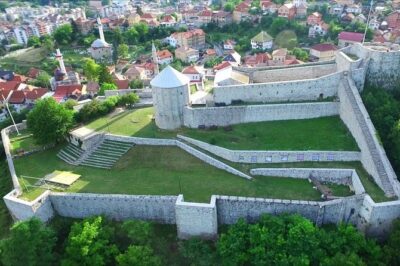
From there, you head uphill to Travnik’s Old Town fortress, known locally as Tvrdava Stari grad. The 35-minute visit gives you time to walk among stone walls and towers and look across the town from its raised position. The site is important because it lets you read Travnik from above: the Ottoman core, later European additions, and the surrounding hills all make more sense from the fortress.
The trade-off is that 35 minutes is tight if you want to inspect every corner. Wear shoes suited to uneven stone and slopes. The fortress is one of the places where a local guide adds real value, since the stones alone cannot explain Travnik’s role in the Bosnian Kingdom and later Ottoman administration.
More of Jajce and Travnik:
- Jajce, Travnik and Pliva watermills – Day Tour from Sarajevo
★ 5.0 · 295 reviews - From Sarajevo: Travnik, Jajce, Pliva Lakes & Watermills Tour
★ 5.0 · 213 reviews - Jajce, Travnik, Pliva lake and Watermills Tour
★ 5.0 · 104 reviews
Mosques, Churches, and Travnik’s Many Layers
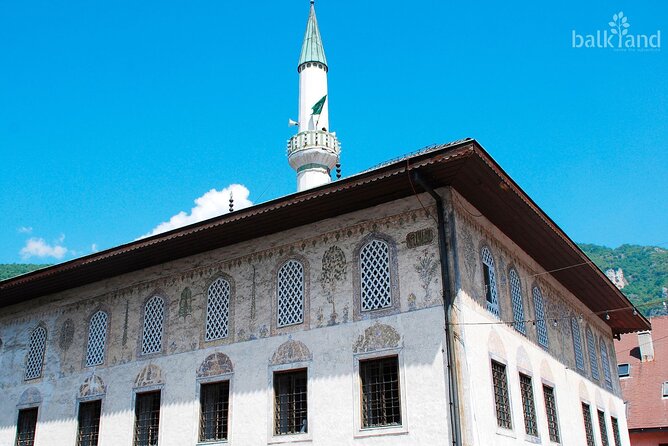
Šarena Džamija, or the Colorful Mosque, is one of Travnik’s most memorable buildings. Built in the 16th century under Ottoman rule, it is known for painted decoration and careful ornament. You get about 20 minutes here, enough for a focused look at the design and a short explanation of its place in the town’s religious life.
The tour then turns to Ivo Andrić, Bosnia’s Nobel Prize-winning author. His reconstructed birth house in the Zenjak neighborhood is now a memorial museum, with a permanent display about his life and writing. The stop lasts about 15 minutes, so think of it as an introduction rather than a full literary visit.
That short visit still has value. Andrić’s connection to Travnik gives the town a human voice. His birthplace helps explain why this small city has attracted so much attention from historians and readers. If you already know his work, you will likely wish for more time. If you do not, the stop remains worthwhile as part of the wider portrait of Travnik.
The Regional Museum of Travnik follows, with about 10 minutes inside. Its current building was constructed in 1928 for medical and health purposes with support from the Rockefeller Foundation. The permanent exhibition opened in 1975, and the museum has used several buildings over the years, including an Austro-Hungarian prison, a gymnasium, a mosque, and a madrasa.
Ten minutes is a quick look, not a museum afternoon. Still, the stop adds context that the fortress and mosques cannot provide. You see Travnik as a place shaped by Ottoman, Austro-Hungarian, religious, educational, and local traditions.
The Catholic Church of St. John the Baptist adds another layer. Built in the middle of the 19th century, it serves the Catholic community and contains religious artwork and a sacred altar. The visit lasts around 10 minutes. You are not being asked to choose one version of Travnik’s past. You are seeing how several communities and empires left their mark in one town.
Ottoman Memorials Around Travnik
The Vizier’s Grave, or Turbe, is a small but meaningful stop. This Ottoman-style mausoleum marks the burial place of a prominent vizier. You have about 10 minutes to view the structure and consider the role of Ottoman officials in Travnik’s government.
Hadži Ali Beg’s Mosque is another brief stop, also around 10 minutes. It reflects the town’s Islamic heritage through its Ottoman design and religious function. These two visits are not grand attractions in the usual sense. Their worth comes from the cumulative effect. By this point, you have seen that Travnik was not merely a fortress town. It was a center of administration, worship, education, and daily life.
The sequence also explains why a guide matters. You can photograph a mosque or mausoleum on your own, but a good explanation connects each building to the town’s past. Muhammad’s arrangement of local guides in both Travnik and Jajce is a useful feature for anyone who wants more than a vehicle ride with occasional photo stops.
Jajce: Medieval Power Beneath and Above the Town
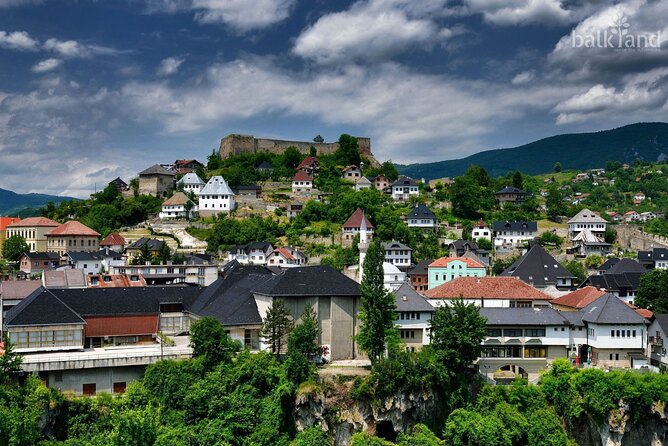
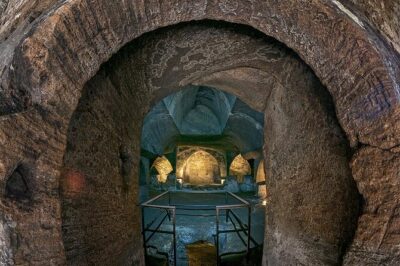
Jajce changes the mood. Travnik feels Ottoman and layered; Jajce feels medieval, dramatic, and compact. The first stop is the Catacomb of Jajce, an underground tunnel and chamber system built during the medieval period.
You have 30 minutes to explore below ground. This is one of the day’s more unusual visits, but it may not suit anyone who dislikes confined spaces or uneven surfaces. The catacombs are important because they show how much of Jajce’s story lies below street level, not only in its visible walls and towers.
Next comes the Fortress of Jajce. The town served as the capital of the Bosnian Kingdom, and its castle was home to the final two kings. Beneath the fortress is the Coronation Church of St. Mary, associated with the crowning of the last Bosnian king.
The 30-minute visit is enough to see the interior areas included in the tour and enjoy the views over Jajce and its surroundings. The fortress sits above the town, so the climb and uneven ground deserve practical attention. You will want good shoes, especially if the weather has made the stone slippery.
This is one of the most important stops of the day. It gives the Bosnian Kingdom a physical setting. Instead of treating the kingdom as a name in a history book, you can see the defensive position, the royal connection, and the town spread below the walls.
A few more options to weigh up in Sarajevo
- Sarajevo: Mostar, Konjic, Blagaj Tekke, Pocitelj & Waterfall
★ 4.9 · 1,335 reviews - Fall of Yugoslavia, Sarajevo War Tour with Tunnel of Hope Museum and Frontlines
★ 5.0 · 1,314 reviews - Sarajevo: Mostar, Konjic, Sufi House, Pocitelj & Kravice Falls
★ 5.0 · 1,179 reviews - ROSES OF SARAJEVO (Official WAR + CITY tour)- Story of a Survivor
★ 5.0 · 770 reviews
From Yugoslav Politics to Ancient Rome
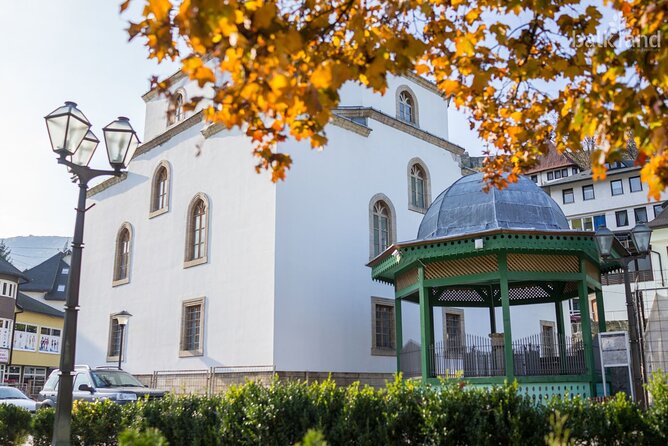
The AVNOJ Museum presents a very different chapter. Jajce was the site of the second session of the Anti-Fascist Council of the People’s Liberation of Yugoslavia in 1943, an event tied to the founding of Yugoslavia. The museum preserves original objects and artifacts connected with that meeting and the partisan resistance during World War II.
The visit lasts about 20 minutes. That is enough to grasp why the building matters, though anyone deeply interested in Yugoslav political history may want a longer museum visit on another day. The stop is valuable because it places Jajce in the 20th century, well after its medieval royal period.
The Temple of Mithras takes you much further back. Built in the 3rd century AD by Roman soldiers, it was dedicated to Mithra, an Indo-Iranian god worshipped in parts of the Roman world. It is one of the best-preserved Mithraic monuments in the Balkans.
You have about 20 minutes at the temple. The site is modest in size, so the short timing works better here than it does in the larger museums. Look for the link between the ancient Roman military world and Jajce’s later importance. This small structure shows that the town’s location mattered long before the Bosnian Kingdom.
Pliva Waterfall Is the Day’s Big Natural Scene
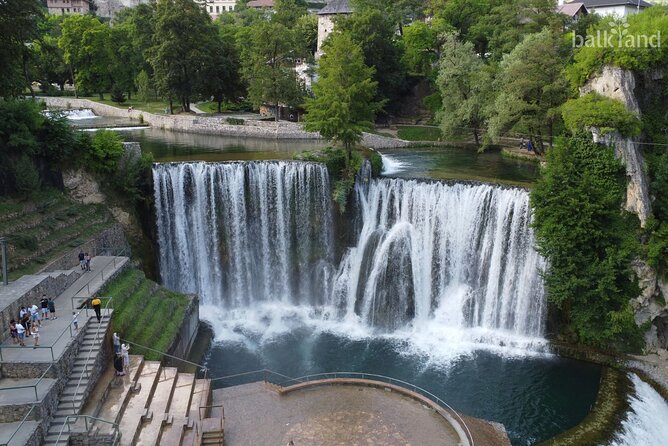
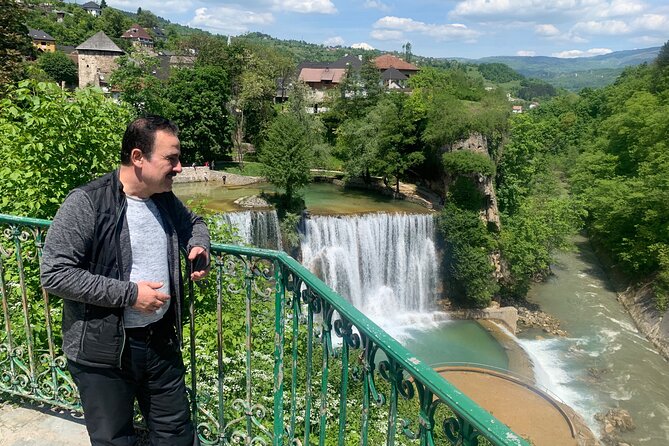
Pliva Waterfall is the visual high point for many people. Water drops through the center of Jajce over moss-covered rock, creating a powerful contrast with the stone buildings and medieval walls nearby.
The planned visit is around 30 minutes. You have time for photographs and to enjoy the sound and movement of the water. The description also mentions natural pools, though you should treat swimming as an optional possibility rather than the main purpose of the stop.
The waterfall is close enough to the town’s historic core to make Jajce feel unusual. You get a major natural feature without leaving the cultural center behind. That combination is a strong reason to choose this tour instead of a day spent only at castles or museums.
Crowds and weather can affect how comfortable the viewpoint feels, but the tour data does not give a fixed access arrangement beyond the included admission. Ask your guide where the safest viewing point is, especially near wet rocks.
Mlincici and the Dinner Pause
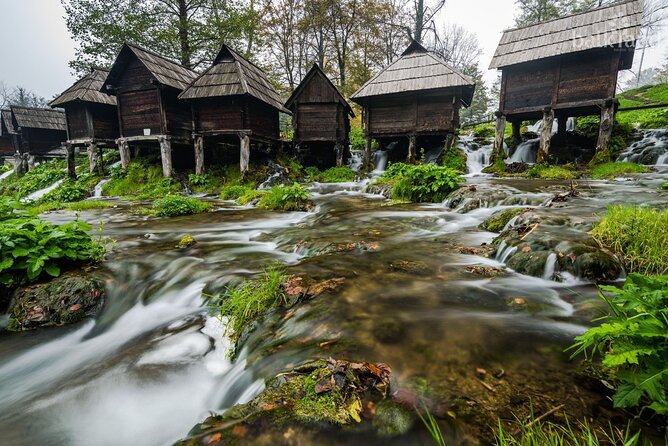
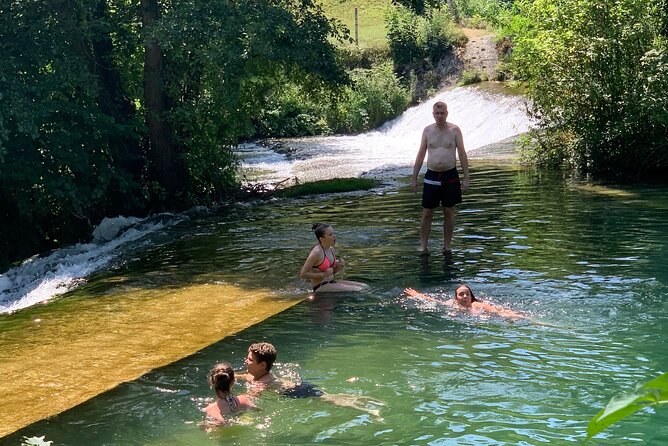
The Mlincici watermills near Jajce offer a quieter finish to the sightseeing. Powered by the Pliva River, these small mills once ground grain into flour and helped support the local community. Their use expanded during the Ottoman period, linking the mills to the same long era you saw in Travnik.
You get about 20 minutes at the watermills. This is not a working agricultural tour or a long rural walk. It is a short look at traditional technology and the way local people used flowing water for daily needs.
Afterward, you have a dinner break in Jajce lasting about 45 minutes to one hour. Dinner is not included, so budget separately. Lunch is also excluded, and the supplied details do not specify a restaurant or menu. That gives you some flexibility, but you should ask the guide about the meal timing and available choices at the start of the day.
The return drive to Sarajevo takes about 2.5 hours. This is when the full length of the outing becomes clear. You may be tired by the time you reach the city, but the drive also gives you a chance to review the day’s very broad sweep, from Roman religion to Yugoslav politics.
What the $150.10 Price Really Covers
At $150.10 per person, the cost is easiest to justify if you value private transport and a tightly arranged day. You are paying for an air-conditioned vehicle, a driver, bottled water, a chocolate bar or chips, Wi-Fi on board, all listed taxes, and entrance fees.
Private participation matters here. Only your group takes part, so you are not sharing the day with a large busload or waiting for strangers at every stop. The schedule is still fixed enough to cover 14 stops, but a private setup may make it easier to ask questions or manage the pace within reason.
The price is less attractive if you mainly want free time. Many Travnik stops last 10 to 20 minutes, and several Jajce visits last 20 to 30 minutes. You are buying breadth, not long, unhurried museum visits.
Group discounts are available, though no discount amount is provided. For a couple, family, or small private group, compare the total against separate transport, admissions, and local guides. The included costs add up, particularly when you consider the distance between Sarajevo, Travnik, and Jajce.
Timing, Comfort, and Who Will Like This Day
The tour lasts approximately 10 to 12 hours. The remaining hours are spent driving, with the return from Jajce taking about 2.5 hours. You should expect a busy schedule with frequent stops, uphill walking at the fortresses, and time on the road.
The vehicle is air-conditioned, and Wi-Fi and bottled water are included. Snacks are simple rather than a meal, so do not rely on the chocolate bar or chips to carry you through the day. Bring enough money for lunch, dinner, alcohol if desired, and personal purchases.
This outing suits you if you want a broad introduction to central Bosnia and prefer someone else to handle the driving. It is especially good for first-time visitors based in Sarajevo who cannot spare separate nights in Travnik and Jajce.
It is less suitable if you want a slow literary visit, extensive museum time, or a relaxed lunch beside the water. The experience is also weather-dependent. If poor weather forces cancellation, you are offered another date or a full refund. Free cancellation is available up to 24 hours before departure, while changes or cancellations within 24 hours are not refunded.
Should You Book the Travnik and Jajce Tour?
Book it if you want history, scenery, and several centuries of Bosnian culture in one long day. The strongest parts are the Travnik fortress, Jajce fortress, Pliva Waterfall, and the surprising range of smaller sites between them.
I would choose this tour for a private group that values good organization and local explanations. The example of Muhammad arranging educated local guides in both towns is encouraging, and the solo booking that became a private day shows how the operator can handle a small party.
Skip it if your priority is free time or slow travel. Fourteen stops require discipline, and the drive back to Sarajevo is substantial. For most visitors with only a few days in Sarajevo, though, the tour offers strong value and a useful look at central Bosnia beyond the capital.
FAQ
Where does the tour begin?
The tour begins at Sarajevo City Hall, Brodac 1, Sarajevo 71000, Bosnia and Herzegovina.
Where does the tour end?
The activity ends back at the Sarajevo City Hall meeting point.
How long does the tour last?
The tour lasts approximately 10 to 12 hours.
Is this a private tour?
Yes. Only your group participates in the activity.
What is included in the price?
The price includes bottled water, a snack such as a chocolate bar or chips, all fees and taxes, an air-conditioned vehicle, Wi-Fi on board, and the listed admission fees.
Are lunch and dinner included?
No. Lunch and dinner are not included. The schedule provides a 45-minute to one-hour dinner break in Jajce.
Are alcoholic drinks included?
No. Alcoholic beverages are not included and are available only to people aged 18 and above.
What are the main places visited in Travnik?
The tour visits Plava Voda, Travnik Old Town Fortress, Šarena Džamija, the Ivo Andrić Birth House Museum, the Regional Museum of Travnik, St. John the Baptist Church, the Vizier’s Grave, and Hadži Ali Beg’s Mosque.
What are the main places visited in Jajce?
The Jajce portion includes the Catacomb of Jajce, Fortress of Jajce, AVNOJ Museum, Temple of Mithras, Pliva Waterfall, and Mlincici watermills.
Can I cancel for a full refund?
Yes, you can cancel at least 24 hours before the start time for a full refund. Cancellations or changes made within 24 hours are not refunded. If poor weather or an insufficient number of participants causes cancellation, you are offered another date or a full refund.
Just added in Sarajevo
- Sarajevo Under Siege: A War History Tour★ 5.0 · 10 reviews
- Walking Tour in Sarajevo★ 5.0 · 3 reviews
- Private Full Day Safari Tour★ 5.0 · 8 reviews
- Bosnian Pyramid: The World’s Largest Pyramid (From Sarajevo)★ 5.0 · 1 review
- Ultimate adventure★ 5.0 · 2 reviews
- Mysterious Visoko Pyramids Driving and Walking Tour★ 5.0 · 7 reviews
- Travnik, Jajce, Pliva Lakes & Mills –Medieval & Ottoman Bosnia Full Day Tour★ 5.0 · 3 reviews
- Sarajevo to/from Zagreb Transfer Day Tour (North-central Bosnia)★ 5.0 · 4 reviews
Jajce and Travnik Tours, compared.
Jajce, Travnik and Pliva watermills – Day Tour from Sarajevo
Read our review →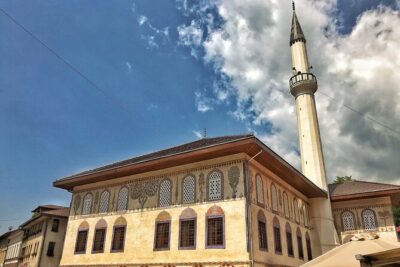
From Sarajevo: Travnik, Jajce, Pliva Lakes & Watermills Tour
Read our review →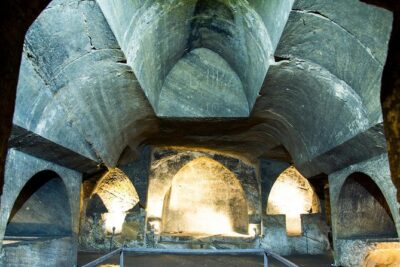
Travnik, Jajce & Pliva Lakes Day Tour From Sarajevo (fees Incl.)
Read our review →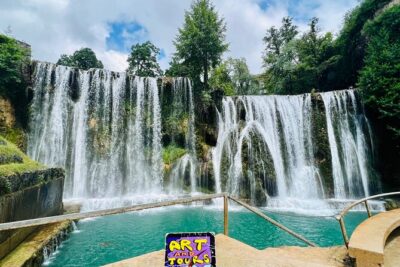
CENTRAL BOSNIA | A medieval tour (Jajce + Travnik + Pliva lakes)
Read our review →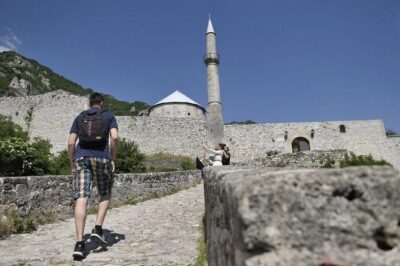
Sarajevo to Zagreb: One-Way Tour via Jajce, Travnik, Pliva Lake and Watermills
Read our review →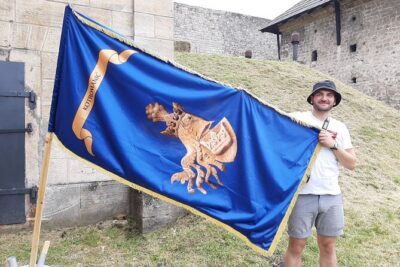
Travnik, Jajce, Pliva Lakes & Mills –Medieval & Ottoman Bosnia Full Day Tour
Read our review →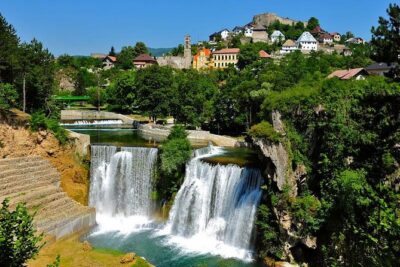
Jajce and Travnik Historical Tour – Day Tour from Sarajevo
Read our review →Browse the lists this tour appears in