
REVIEW · SREBRENICA MEMORIAL TOURS
Sarajevo to Srebrenica: Genocide Study Tour with War Veteran
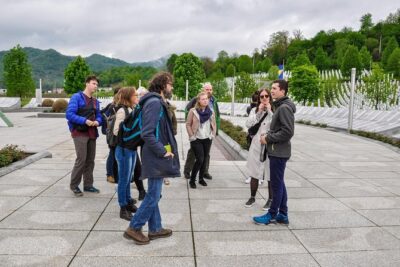
Some places demand your full attention. This 10-hour Srebrenica study tour combines a long but comfortable drive from Sarajevo with careful historical explanation, a museum visit, the Potocari Memorial Centre, and time in the town of Srebrenica. I like the personal guidance from people such as Adis, Adnan, Ömer, and Edin, many of whom bring direct experience of the Bosnian War. I also like the small-group format, with no more than 12 people and often fewer.
The main drawback is clear: this is emotionally difficult, and the day contains a great deal of painful information. The schedule is also long, with about two and a half hours each way by road. Still, if you want to understand Bosnia and Herzegovina beyond Sarajevo’s old streets and pleasant cafés, this is one of the most serious and worthwhile day trips you can take.
In This Review
- Key points to know before booking
- Why this day trip matters
- Starting in Sarajevo at 8:00 a.m.
- The mountain road and the fall of Yugoslavia
- Inside the former Dutch battalion headquarters
- The memorial room and the cemetery at Potocari
- Lunch and a closer look at Srebrenica
- Is the 82.84 price good value?
- Who should take this tour?
- Practical advice for a respectful visit
- Should you book the Sarajevo to Srebrenica tour?
- FAQ
- How long is the Srebrenica tour from Sarajevo?
- What time does the tour start?
- Is hotel pickup available?
- What food is included?
- What places do you visit in Srebrenica?
- How many people can join the tour?
Key points to know before booking
- Personal war testimony: Guides including Adis, Adnan, Ömer, and Edin have been praised for explaining the conflict with care and, in some cases, sharing personal memories.
- A full historical framework: The journey begins with the fall of Yugoslavia and the political background needed to understand Srebrenica.
- Potocari Memorial Centre: You visit the former Dutch battalion headquarters, the genocide museum, the memorial room, and the cemetery.
- A small, flexible group: The maximum group size is 12, and some departures have been much smaller.
- Lunch is simple and local: The day includes a Bosnian sausage sandwich at the start, with a vegetarian option available on request, and lunch in Srebrenica.
- A moving but demanding day: Expect beautiful mountain scenery beside difficult stories, photographs, memorials, and accounts of survival.
Why this day trip matters
Srebrenica is not a standard sightseeing stop. You do not go there for pretty architecture, shopping, or a relaxed change of scene. You go to understand the 1990s war in Bosnia and Herzegovina and to remember the people killed in the genocide.
That purpose shapes the whole day. The guide does not wait until you reach the memorial to explain what happened. During the drive from Sarajevo, you receive background on Yugoslavia, its breakup, and the conflict that followed. This is important because Srebrenica can be hard to understand if you arrive with only a few familiar headlines.
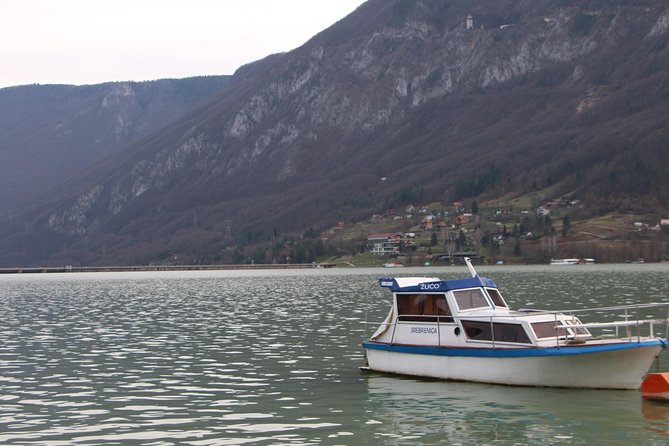
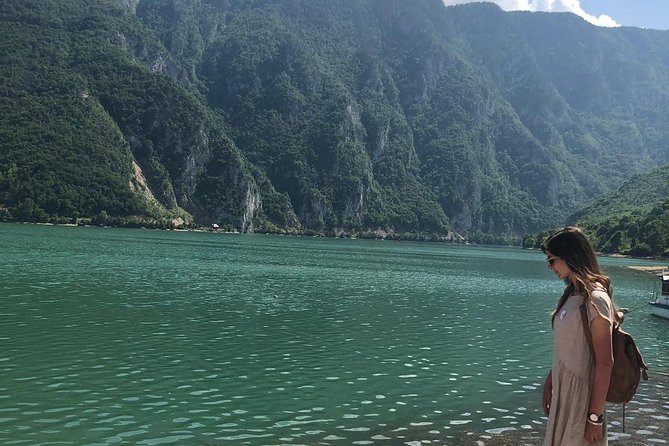
I like this approach. It gives you a framework before you enter the museum and cemetery. The road passes through the mountains of eastern Bosnia, and the peaceful scenery creates a sharp contrast with the events being discussed. You may find the contrast unsettling, but it also makes the history feel connected to a real place rather than a distant chapter in a textbook.
The guides are the heart of the experience. Adis is praised for his warmth, humor, personal stories, and clear explanations. Adnan has been described as an activist who can answer questions about Yugoslavia, present-day Bosnia and Herzegovina, hate speech, and wider political issues. Ömer is praised for telling the story with emotion and patience, while Edin is noted for his calm and respectful teaching.
Guide assignments can change, so you should not assume you will receive a particular person. The useful point is that the company has several guides who bring more than dates and place names to the subject.
Other tours covering the siege of Sarajevo:
- Fall of Yugoslavia, Sarajevo War Tour with Tunnel of Hope Museum and Frontlines
★ 5.0 · 1,314 reviews - ROSES OF SARAJEVO (Official WAR + CITY tour)- Story of a Survivor
★ 5.0 · 770 reviews - Tunnel Museum: Bosnian & Yugoslav Wars Tour with War Veteran
★ 5.0 · 551 reviews
Starting in Sarajevo at 8:00 a.m.
The usual meeting point is in front of the Info Bosnia Tourist Information Center on Ferhadija, Sarajevo’s main pedestrian street. It is next to the Sarajevo Meeting of Cultures marker. The listed meeting point is Velika avlija, Laure Papo Bahorete 2, but pickup can be arranged from hotels and other locations throughout Sarajevo.
If you are staying outside the Old Town, hotel pickup and drop-off are available when requested. For a private home, you need to provide a Google Maps location. Confirming the pickup details is sensible, especially if your accommodation is not easy to identify from its name.
The early start makes sense. Srebrenica is roughly two and a half hours from Sarajevo, and the day includes several important stops. At the beginning, you receive bottled water and a traditional Bosnian sausage sandwich. A vegetarian sandwich is available if requested.
This is called breakfast in the tour details, but it also works as practical road food. You do not need to search for breakfast before leaving, and the sandwich is a small introduction to local food. Lunch and other drinks are not generally included unless specified, so bring some water or plan to buy drinks along the way.
The mountain road and the fall of Yugoslavia
The drive is part of the teaching. The road leads through an isolated, mountainous area of eastern Bosnia, with attractive scenery outside the vehicle. Transport is by air-conditioned car or minivan, which matters on a long day with several hours on the road.
The guide uses this time to explain the political and social background of the conflict. You hear about the fall of Yugoslavia and the circumstances that led to the war. This portion can be information-heavy. One useful tip is to do a little reading before the tour, even if it is only a basic outline of Yugoslavia’s breakup and the Bosnian War.
You do not need to arrive as a history expert. A little preparation simply makes it easier to follow names, dates, locations, and the different forces involved. The guide welcomes questions, including difficult ones, and the small group makes it easier to ask for clarification.
The trip is not designed as a debate about politics. It is an effort to explain events and their consequences. That distinction matters when visiting a place where history remains painful and politically sensitive.
Inside the former Dutch battalion headquarters
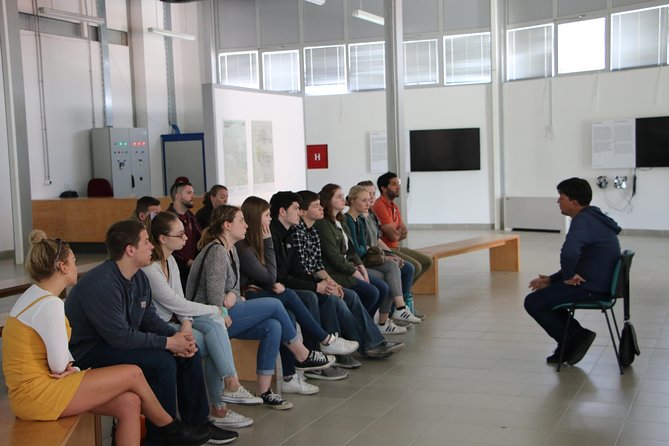
The first major stop is the former battery factory used by United Nations forces during the war. The building once served as the headquarters of the Dutch battalion connected with the Srebrenica safe area. It now houses the Museum of Srebrenica Genocide.
The museum uses multimedia displays and films to explain what happened before, during, and after the massacre. You also hear personal accounts of survival. These intimate stories are among the most important parts of the visit because they put human faces and individual experiences beside the larger political story.
A museum curator may meet the group and help explain the exhibits. That direct connection gives the stop more depth than simply walking through a display room with a guidebook. You have time to take in the material, and the guide does not appear to rush people through the exhibits.
This is also where the emotional weight begins to build. The museum contains disturbing material, and you should not expect a light or easy visit. If you need a quiet moment, take it. The day is not a race, and a respectful pace is more valuable than trying to absorb every film, photograph, or written account.
Other tours visiting the Srebrenica memorial:
- From Sarajevo: Srebrenica Genocide Memorial Study Tour
★ 5.0 · 359 reviews - Understanding Srebrenica Genocide Tour + Lunch with Local Family Included
★ 5.0 · 123 reviews - Understanding Srebrenica Genocide – Day tour from Sarajevo
★ 5.0 · 35 reviews - Remembering Srebrenica Genocide
★ 5.0 · 9 reviews
The memorial room and the cemetery at Potocari
From the museum, the tour continues to the memorial room. A local journalist created the recorded victim stories presented there. The room also addresses the people responsible for the massacre, rather than focusing only on the victims.
That wider view is useful. It helps you understand both the suffering of families and the forces that made the crime possible. It also keeps the visit from becoming a collection of isolated tragedies without context.
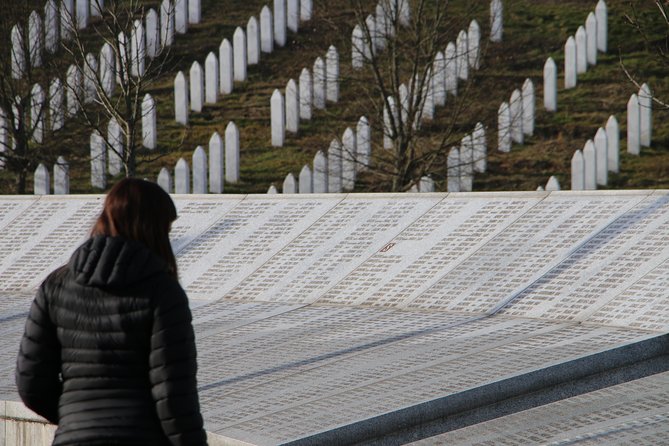
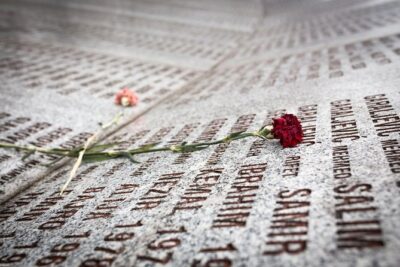
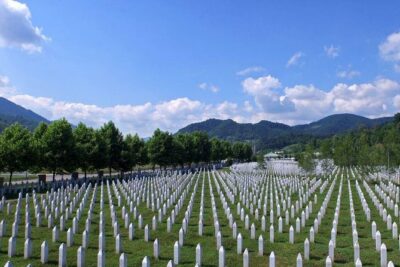
The cemetery at Potocari is the most visually direct part of the day. Identified victims are buried there, and the cemetery continues to grow as remains are found and identified. The stated count is 6,575 victims, with that number rising over time.
You will have time to walk through the cemetery and reflect. This is not a place for casual photographs or loud conversation. Dress and behave as you would at any memorial. The tour’s tone is respectful, and the guides have been praised for giving the subject the seriousness it requires.
The cemetery is peaceful, but the peace does not make the visit easy. For many people, it is the point when the scale of the crime becomes most immediate.
Lunch and a closer look at Srebrenica
After Potocari, the group continues to the town of Srebrenica for lunch. There are few restaurant choices nearby, so the meal is a practical part of the route rather than a food-focused stop.
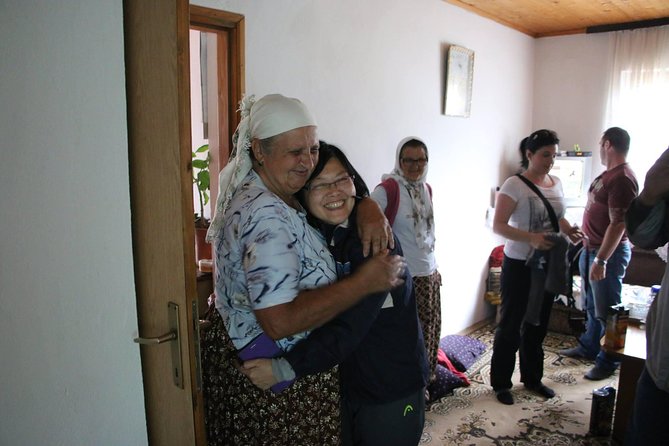
Some versions of the day include a meal with a local Bosnian family. The supplied details also refer to homemade Bosnian cooking and a local woman sharing her own experience of returning to Srebrenica after the war. This can add a personal and generous human element to an otherwise painful day, but the exact lunch arrangement may vary.
The food should not be the reason you book this tour. It is better understood as a chance to sit, eat, and continue processing what you have seen. If lunch is not specified in your booking details, ask what is included. The tour price includes the traditional sandwich and water, while other food and drinks are listed as extra unless specified.
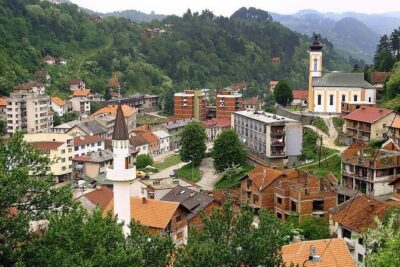
The town itself is described as a ghost city and was once an industrial leader in the area. Seeing Srebrenica after the memorials helps you understand that this is not only a historic site. It is also a living place shaped by war, loss, return, and a difficult present.
Is the 82.84 price good value?
At $82.84 per person, the tour is fairly priced for a full day with transport from Sarajevo, an English-speaking driver-guide, hotel pickup and return when arranged, bottled water, and the opening sandwich. The drive alone would make independent transport less simple, particularly if you do not want to rent a car or manage the route yourself.
The best value comes from the guide’s interpretation. You are not merely transported to a cemetery and left to read plaques. The historical explanation begins on the road, continues through the museum, and connects the memorial sites with modern Bosnia and Herzegovina.
A small group also improves the value. The maximum is 12 people, and some departures have had only a handful of participants. That allows more room for questions and can make the day feel less mechanical.
There are limits. The full 10 hours is a major commitment, and admission fees, meals, and drinks are not broadly listed as included. The itinerary describes the main visits as free of admission charges, but you should still check the exact inclusions before booking.
For a day trip of this length, with air-conditioned transport and a guide who can provide personal context, I consider the price reasonable.
Who should take this tour?
I would recommend it to anyone who wants a serious understanding of Bosnia and Herzegovina’s recent past. It suits solo visitors particularly well because the small group and arranged transport make the day straightforward and social without forcing you to organize a private excursion.
It is also a good choice if you want to ask questions. The guides are praised for being patient, open, and able to explain both the war and its wider political background.
You should think carefully before booking if you are looking only for a pleasant day in the countryside. The mountain views are attractive, but they are a backdrop to difficult material. This is not a sightseeing break from Sarajevo.
The tour is also not ideal if you dislike long road journeys. The route takes about two and a half hours in each direction, and the total day lasts around 10 hours. The air-conditioned vehicle helps, but it cannot make the distance disappear.
Practical advice for a respectful visit
Read a short introduction to the breakup of Yugoslavia before you go. You will get more from the guide’s explanations if the names and broad sequence of events are not entirely new.
Wear comfortable clothing and shoes. The schedule includes travel, museum visits, a memorial room, and time walking around the cemetery. The company provides water, but carrying a little extra is sensible.
Request a vegetarian sandwich in advance if needed. Also confirm whether lunch in Srebrenica is included in your particular departure, since food and drinks are otherwise not included unless specified.
Keep your expectations quiet and respectful. Srebrenica is a memorial site, not a photo opportunity. The guides handle questions with care, but the setting deserves the same care from you.
Free cancellation is available if you cancel at least 24 hours before the start time. Changes made within 24 hours are not accepted for a refund, and the tour requires a minimum number of participants. If the company cancels because that minimum is not met, you are offered another date or a full refund.
Should you book the Sarajevo to Srebrenica tour?
Book it if you want context, personal testimony, and a carefully guided visit to one of Europe’s most important modern memorial sites. The strongest part is the combination of the journey, museum, cemetery, and guide-led explanation. The day is demanding, but it can change how you understand Bosnia and Herzegovina.
Do not book it expecting entertainment or an easy excursion. Come prepared for grief, difficult questions, and a large amount of information. If you can give the day that attention, the $82.84 cost buys far more than transportation. It gives you a clearer, more human understanding of Srebrenica.
FAQ
How long is the Srebrenica tour from Sarajevo?
The tour lasts approximately 10 hours. The drive from Sarajevo to Srebrenica takes around two and a half hours each way.
What time does the tour start?
The usual start time is 8:00 a.m. The normal meeting point is near the Info Bosnia Tourist Information Center on Ferhadija, next to Sarajevo Meeting of Cultures.
Is hotel pickup available?
Yes. Pickup and drop-off can be arranged from locations throughout Sarajevo. If you are staying in a private home, you need to provide its Google Maps location.
What food is included?
A traditional Bosnian sausage sandwich and bottled water are included. A vegetarian sandwich is available on request. Other food and drinks are not included unless specifically stated.
What places do you visit in Srebrenica?
The tour visits the former Dutch battalion headquarters, the Museum of Srebrenica Genocide, the memorial room, the Potocari Memorial Cemetery, and the town of Srebrenica.
How many people can join the tour?
The maximum group size is 12 people. Some departures may be smaller. The tour is offered in English and most people can participate.
Just added in Sarajevo
- Sarajevo Under Siege: A War History Tour★ 5.0 · 10 reviews
- Walking Tour in Sarajevo★ 5.0 · 3 reviews
- Private Full Day Safari Tour★ 5.0 · 8 reviews
- Bosnian Pyramid: The World’s Largest Pyramid (From Sarajevo)★ 5.0 · 1 review
- Ultimate adventure★ 5.0 · 2 reviews
- Mysterious Visoko Pyramids Driving and Walking Tour★ 5.0 · 7 reviews
- Travnik, Jajce, Pliva Lakes & Mills –Medieval & Ottoman Bosnia Full Day Tour★ 5.0 · 3 reviews
- Sarajevo to/from Zagreb Transfer Day Tour (North-central Bosnia)★ 5.0 · 4 reviews
Srebrenica Memorial Tours, compared.
From Sarajevo: Srebrenica Genocide Memorial Study Tour
Read our review →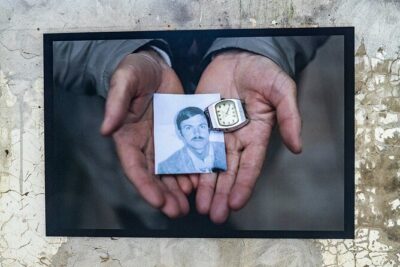
Understanding Srebrenica Genocide Tour + Lunch with Local Family Included
Read our review →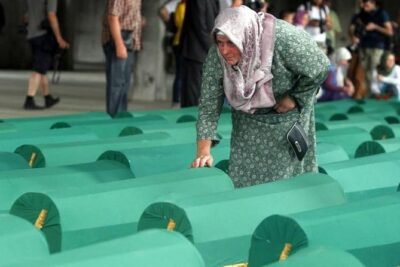
Understanding Srebrenica Genocide – Day tour from Sarajevo
Read our review →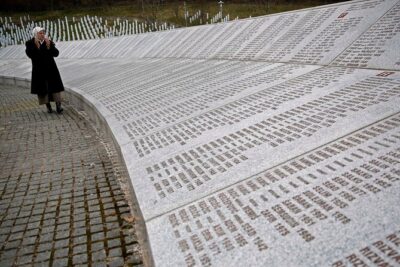
Browse the lists this tour appears in