
REVIEW · WALKING TOURS IN SARAJEVO
Sarajevo Essential Full Walking Tour
History meets on one short Sarajevo walk. This tour works well because it links the city’s Catholic, Jewish, Muslim, Orthodox, Austro-Hungarian, and wartime stories instead of treating them as separate sights. I especially like the route’s range, from Sacred Heart Cathedral and the Gazi Husrev-Bey Mosque to Latin Bridge and the Sarajevo Rose.
I also like the low price of $18.15 per person, which makes a local introduction an easy choice on a first visit. A possible drawback is the brisk schedule: sixteen stops in roughly one to two hours means several places receive only five minutes, and admission to the Jewish Museum and City Hall is not included.
In This Review
- Key points to know before you book
- Why this short Sarajevo walk is useful
- Sacred Heart Cathedral and Sarajevo’s Catholic story
- The Jewish Museum and the Meeting of Cultures
- Gazi Husrev-Bey Mosque and the Ottoman center
- Kazandžiluk, where craft still matters
- Sarajevo City Hall and the Spite House
- Two mosques and the story of Sarajevo’s founding
- Latin Bridge and the event that changed Europe
- Tašlihan, Hotel Europe, and the city’s changing eras
- Orthodox Sarajevo and the Multicultural Man
- Sarajevo Roses and the memory of war
- Price, pace, and group size
- Who should book this Sarajevo tour?
- Should you book the Sarajevo Essential Full Walking Tour?
- FAQ
- How long does the Sarajevo Essential Full Walking Tour last?
- What is the price of the tour?
- Where does the tour begin?
- Where does the tour end?
- Is hotel pickup available?
- Is the tour offered in English?
- Are museum and City Hall admission fees included?
- How large can the group be?
- Can I cancel for a full refund?
Key points to know before you book

- Sixteen central sights in one compact walk: The route covers Sarajevo’s major religious, Ottoman, Austro-Hungarian, commercial, and wartime landmarks.
- A clear look at multicultural Sarajevo: The Meeting of Cultures, the Multicultural Man monument, and the three major religious buildings help explain the city’s unusual mix.
- A strong guide can make the difference: Guide Adnan, known as Ado, received particular praise for his clear explanations and willingness to answer questions.
- The coppersmith street adds local character: Kazandžiluk is more than a photo stop, since traditional copper work still takes place there.
- Expect a quick overview rather than museum time: Most stops last five to ten minutes, so this tour is best for orientation.
- The group may not always be tiny: It is presented as a small-group walk, but the stated maximum is 50 people.
Why this short Sarajevo walk is useful
Sarajevo can feel like several cities joined at the seams. Ottoman bazaars sit near Austro-Hungarian buildings. Mosques, churches, and a former synagogue occupy the same central area. The assassination linked to the First World War happened beside a bridge used by ordinary people every day. Recent wartime memorials appear on streets lined with cafés and shops.
That mix is the reason I would take this tour early in a stay. You get a map in your head, a basic timeline, and enough local context to make later visits more rewarding. The route does not simply point at attractive buildings. It shows how different communities shaped Sarajevo and how the city still carries those layers.
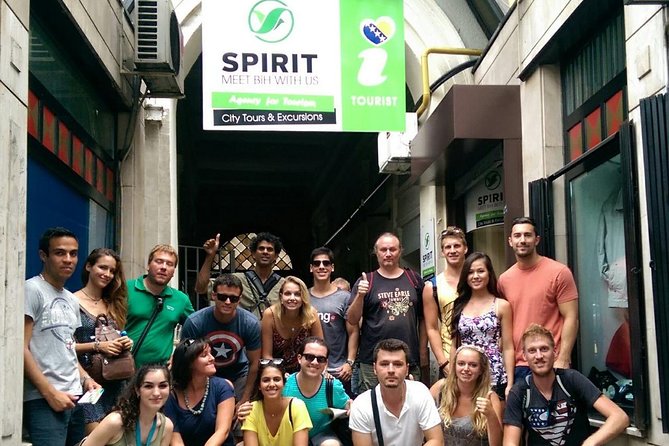
The walk begins at the Spirit Tours office at Ferhadija 19 and returns there. Pickup from a hotel, apartment, or hostel can be arranged in advance if needed. The regular meeting point is central and near public transportation, so most people should find it practical.
The tour is offered in English and includes both a local guide and a professional guide. Food and drinks are not included, but this is not a problem for a short city walk. You can easily eat before or after, and Baščaršija gives you plenty of choices.
More Walking Tours in Sarajevo
- Sarajevo: 2 Hours Old Town Walking Tour With Local Guide
★ 5.0 · 505 reviews - Private Walking Tour, Food Tasting and Bosnian Coffee in Sarajevo
★ 5.0 · 255 reviews - Sarajevo Grand Walking Tour
★ 5.0 · 232 reviews
Sacred Heart Cathedral and Sarajevo’s Catholic story
The first stop is the Cathedral of Jesus’ Sacred Heart, Sarajevo’s largest Catholic church. Built in 1889 in Neo-Gothic style, it is the seat of the Archdiocese of Vrhbosna.
You receive about ten minutes here, enough to understand the cathedral’s place in the city and to look at its exterior and interior if conditions allow. The stop also sets up one of the tour’s main ideas: Sarajevo was shaped by several religious communities, not by one tradition alone.
The cathedral is especially useful as a starting point because the route later brings you close to a Serbian Orthodox church and major mosques. I like this structure. Instead of giving you a vague explanation about tolerance, the guide places the buildings in front of you.
The Jewish Museum and the Meeting of Cultures
The Museum of the Jews of Bosnia and Herzegovina occupies Sarajevo’s oldest synagogue, within the City Museum of Sarajevo. The visit here lasts about five minutes, and admission is not included.
That short timing matters. If you want to study displays or learn more about Jewish life in Bosnia and Herzegovina, you will need to return independently and pay the entrance fee. On the walking tour, treat this as a concise introduction rather than a full museum visit.
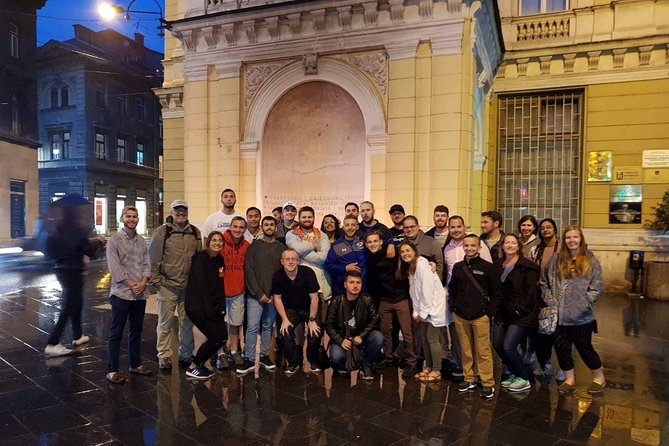
A few minutes later, you reach the Sarajevo Meeting of Cultures on Ferhadija Street near Gazi Husrev-Bey’s Bezistan. This simple marker identifies the point where two major cultural influences meet. It is one of the smartest stops on the route because it gives you a quick visual way to understand Sarajevo’s change from Austro-Hungarian architecture toward the Ottoman-style old town.
Take a moment here to look in both directions. The value is not in a grand monument, but in the contrast around you. This is one of those places where a guide’s explanation adds far more than a quick photograph.
Gazi Husrev-Bey Mosque and the Ottoman center
The Gazi Husrev-Bey Mosque is one of the main sights on the walk. Built in the sixteenth century, it is the largest historical mosque in Bosnia and Herzegovina and one of the Balkans’ most important Ottoman buildings.
The stop lasts around ten minutes. The guide can explain its role in the old town and point out details you might otherwise pass without noticing. Admission is listed as free, though religious sites can have visitor rules, so modest clothing and respectful behavior are sensible.
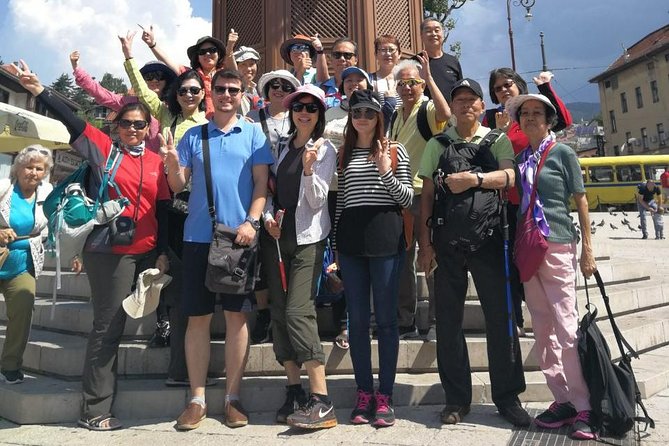
From here, the route moves into Baščaršija, Sarajevo’s Ottoman-era commercial heart. At Baščaršija Square, you see the Sebilj, a wooden Ottoman-style fountain built in 1753 by Mehmed Pasha Kukavica. It is a familiar meeting point and a good place to get your bearings.
The fountain stop is brief, only about five minutes. You will have time for a look and a photograph, but not a long pause. That is typical of this tour: it favors a broad route over a slow examination of one monument.
A completely different kind of day:
- Sarajevo: Mostar, Konjic, Blagaj Tekke, Pocitelj & Waterfall
★ 4.9 · 1,335 reviews - Fall of Yugoslavia, Sarajevo War Tour with Tunnel of Hope Museum and Frontlines
★ 5.0 · 1,314 reviews - Sarajevo: Mostar, Konjic, Sufi House, Pocitelj & Kravice Falls
★ 5.0 · 1,179 reviews - ROSES OF SARAJEVO (Official WAR + CITY tour)- Story of a Survivor
★ 5.0 · 770 reviews
Kazandžiluk, where craft still matters
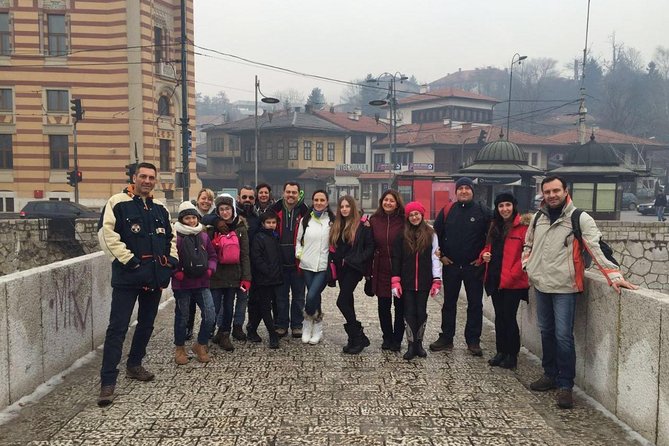
Kazandžiluk, the coppersmith street, is one of the more appealing parts of the walk. Its traditional appearance has been retained for centuries, and the coppersmith trade still operates here.
This stop lasts about ten minutes, making it one of the longer pauses. That extra time is welcome because the street offers something beyond architecture. You can see examples of handmade copper goods and get a sense of a working craft district rather than a restored set built only for visitors.
One review singled out the coppersmith shop and the chance to see examples of decorative objects being made. I would pay close attention here. It is the kind of stop that can turn a general city tour into a more tangible experience of local life.
Sarajevo City Hall and the Spite House
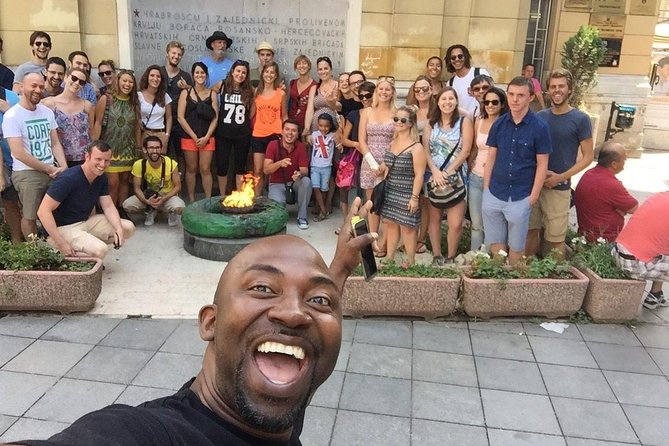
Sarajevo City Hall, or Vijećnica, is described as the most extravagant building constructed in Sarajevo during the Austro-Hungarian period. Its design reflects the imperial ambitions that changed the city at the end of the nineteenth century.
The tour allows about ten minutes, but admission is not included. If you want to enter, check the current ticket arrangements separately and allow extra time beyond the walking tour. The exterior alone gives you a strong sense of the building’s scale and style.
Nearby, the Cumurija Bridge is linked with the Spite House. The story concerns an owner who refused to move his house for a public project. His stubbornness became part of the building’s identity, and the house is now a protected cultural and historical site that operates as a national restaurant.
This is a useful reminder that Sarajevo’s history is not only about rulers and wars. It also includes personal disputes, neighborhood memory, and the small stories attached to ordinary buildings.
Two mosques and the story of Sarajevo’s founding
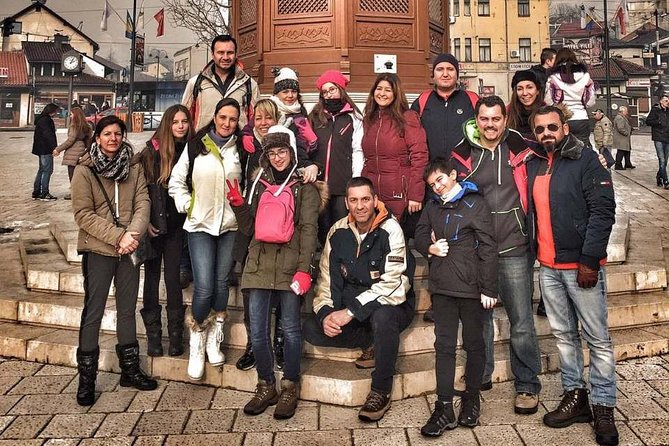
The Emperor’s Mosque is Sarajevo’s oldest mosque and one of the oldest in Bosnia and Herzegovina. It is associated with Isa Bey Ishaković, regarded as the founder of Sarajevo, and is thought to have been built soon after the city’s founding in 1462 in honor of Sultan Mehmed II.
The stop is short, around five minutes. You will not get a long architectural study, but the guide can place the mosque within the city’s early development. It also helps explain why Sarajevo’s Ottoman identity is not limited to the bazaar streets.
Gazi Husrev-Bey’s Bezistan comes next. This covered bazaar was built in 1555 and still serves its original commercial purpose. Shops operate inside, so you see a historic building that remains part of daily city life.
I prefer sights like this to monuments that only survive behind barriers. A functioning market makes the past easier to picture. You can look at the structure, then notice how trade continues under its roof.
Latin Bridge and the event that changed Europe
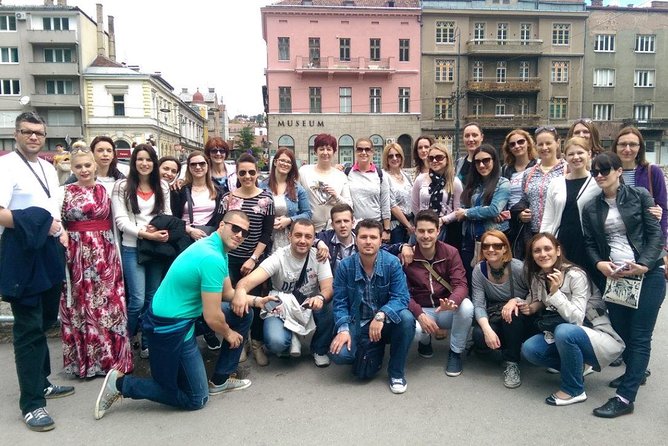
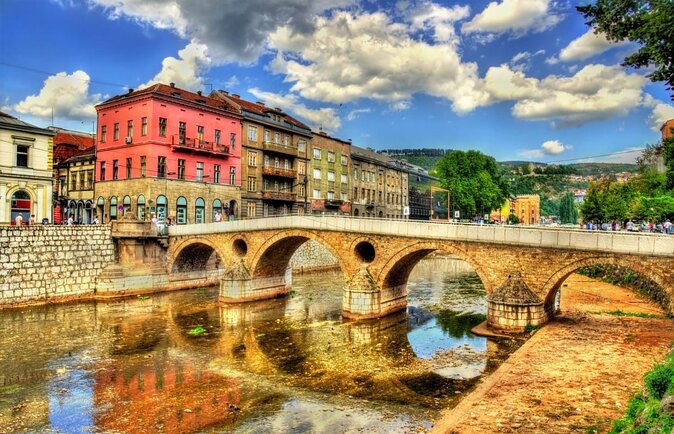
Latin Bridge is the tour’s most internationally famous stop. Also called Principov Most, it is associated with the assassination of Archduke Franz Ferdinand and his wife, Sophie, by Gavrilo Princip in 1914.
The event helped trigger the First World War. The guide’s explanation is important here because the bridge itself is modest. Without context, you could cross it in seconds and miss why it matters.
You receive about ten minutes at the bridge. That should be enough for the basic story and a look at the surrounding area. If this subject interests you, you may want to return later and spend more time with the nearby historical material. The walking tour gives you the setting and the essential facts, not a full study of the political crisis that followed.
Tašlihan, Hotel Europe, and the city’s changing eras
Tašlihan was built in 1543 as part of Gazi Husrev-Bey’s waqf, or charitable foundation. It once contained a fountain, mosque, courtyard, shops, and storage rooms. Fires severely damaged it, leaving a reminder of how much of Sarajevo’s Ottoman commercial center has been altered or lost.
The five-minute stop is enough to explain the site’s former purpose. You may find the remains less visually dramatic than the mosque or bazaar, but they help fill in the city’s old economic story.
The route then passes Hotel Europe, an Austro-Hungarian building in the center, just outside the old town core. Its location makes the transition between the Ottoman district and the later European-style city especially clear.
This part of the walk is valuable because it shows that Sarajevo did not simply replace one identity with another. New buildings and institutions were added beside older ones, creating the mixed center you see today.
Orthodox Sarajevo and the Multicultural Man
The Cathedral Church of the Nativity of the Theotokos is the largest Serbian Orthodox church in Sarajevo and one of the largest Orthodox churches in the Balkans. The stop lasts about five minutes.
Together with the Sacred Heart Cathedral and the mosques, it completes the tour’s picture of Sarajevo as a city with several major religious traditions in close proximity. The route does not ask you to treat these buildings as isolated attractions. It invites you to notice their physical closeness.
The Monument to the Multiethnic Human sits between three major religious symbols: the Catholic cathedral, a Muslim mosque, and the Christian Orthodox church. Its message celebrates multiethnicity, with the words The multicultural man is constructing the world carved in Italian and Bosnian.
This is a brief ten-minute stop, but it gives the guide a chance to connect the buildings you have already seen. I find that kind of visual summary helpful. You do not need a long lecture to understand the point when the three traditions are only a few steps apart.
Sarajevo Roses and the memory of war
The final stop is a Sarajevo Rose. These memorials use concrete scars left by mortar explosions, later filled with red resin. The red shapes mark places where people were killed during the siege of Sarajevo.
The stop lasts about ten minutes. It is a quiet ending to a route that has moved through centuries of religious, commercial, and political change. The rose brings the city’s recent past directly into the pavement beneath you.
This part may feel heavier than the earlier stops, and that is appropriate. Sarajevo is not only an old town of fountains and market streets. The memorial helps you understand that the city’s past is still visible in ordinary public spaces.
Price, pace, and group size
At $18.15 per person, the tour offers good value if you want a fast orientation with a guide. Sixteen stops, an English-speaking professional, and local stories cost less than many longer city tours. The main value lies in the route and the explanations, not in included admissions.
The stated duration is approximately one to two hours. Because the schedule includes many five-minute stops, expect a quick pace. You will see a great deal, but you will not have time to explore each building at length.
The experience is described as small-group, yet the maximum group size is listed as 50. It may be much smaller on a particular departure, and one booking had only two people, giving the couple plenty of time to ask questions. Still, you should not assume a private or tiny group.
Adnan, also called Ado, was praised for being easy to listen to, authoritative, and open to questions. That is exactly the kind of guide this route needs. A strong storyteller can make a five-minute stop useful, while a weak one could leave you with little more than a list of names.
Confirmation is provided at booking. Service animals are allowed, and most people can participate. The office is open Monday through Sunday from 9:00 AM to 5:00 PM for the stated operating period. Free cancellation is available if you cancel at least 24 hours before the start time. Food and drinks are not included.
Who should book this Sarajevo tour?
I would choose this walk if you are visiting Sarajevo for the first time, have limited time, or want a clear introduction before exploring alone. It also suits anyone interested in how Ottoman, Austro-Hungarian, religious, and wartime stories overlap in one compact center.
It is less suitable if your main goal is extended museum time, detailed architecture study, or a slow food-and-shopping walk. The Jewish Museum and City Hall receive only short visits, and their entrance fees are separate.
Book it near the beginning of your stay if possible. Then use the route as a practical guide for later exploration. Return to the sights that interest you, especially the coppersmith street, City Hall, the Jewish Museum, and the area around Latin Bridge.
Should you book the Sarajevo Essential Full Walking Tour?
Yes, if you want a low-cost, English-language introduction that covers the city’s main landmarks and competing historical layers. The route is unusually broad for a one to two-hour walk, and the best moments come from the connections between the sights rather than from any single building.
Go in with realistic expectations. This is a brisk overview, not a detailed museum tour, and the group could be larger than the phrase small-group suggests. For first-time visitors who value context, local guidance, and a strong central route, $18.15 is a sensible investment.
FAQ
How long does the Sarajevo Essential Full Walking Tour last?
The tour lasts approximately one to two hours.
What is the price of the tour?
The listed price is $18.15 per person.
Where does the tour begin?
It begins at the Spirit Tours Sarajevo office, Ferhadija 19, Sarajevo 71000, Bosnia and Herzegovina.
Where does the tour end?
The activity ends back at the meeting point.
Is hotel pickup available?
Pickup from a hotel, apartment, or hostel can be organized in advance if required.
Is the tour offered in English?
Yes, the tour is offered in English.
Are museum and City Hall admission fees included?
No. Admission to the Museum of the Jews of Bosnia and Herzegovina and Sarajevo City Hall is not included. Food and drinks are also excluded.
How large can the group be?
The stated maximum is 50 participants, although some departures may be smaller.
Can I cancel for a full refund?
Yes, if you cancel at least 24 hours before the experience start time. Cancellations made less than 24 hours in advance are not refunded.
Just added in Sarajevo
- Sarajevo Under Siege: A War History Tour★ 5.0 · 10 reviews
- Walking Tour in Sarajevo★ 5.0 · 3 reviews
- Private Full Day Safari Tour★ 5.0 · 8 reviews
- Bosnian Pyramid: The World’s Largest Pyramid (From Sarajevo)★ 5.0 · 1 review
- Ultimate adventure★ 5.0 · 2 reviews
- Mysterious Visoko Pyramids Driving and Walking Tour★ 5.0 · 7 reviews
- Travnik, Jajce, Pliva Lakes & Mills –Medieval & Ottoman Bosnia Full Day Tour★ 5.0 · 3 reviews
- Sarajevo to/from Zagreb Transfer Day Tour (North-central Bosnia)★ 5.0 · 4 reviews
Walking Tours in Sarajevo, compared.
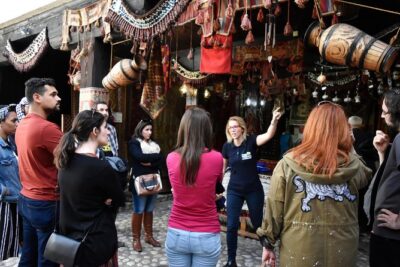
Sarajevo: 2 Hours Old Town Walking Tour With Local Guide
Read our review →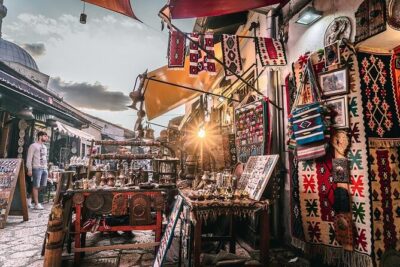
Private Walking Tour, Food Tasting and Bosnian Coffee in Sarajevo
Read our review →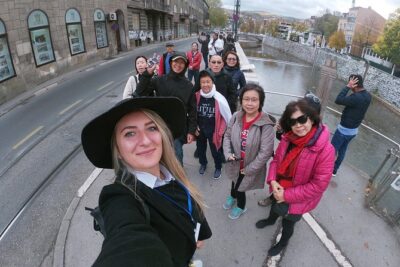
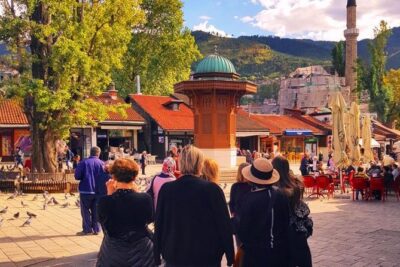
Delicious Sarajevo: Eat, Walk & Discover City Tour
Read our review →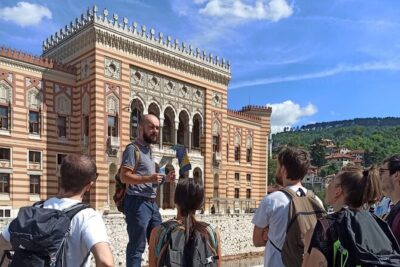
PROFESSIONAL SARAJEVO WALKING TOUR – With guide who guided STING!
Read our review →
Sarajevo genuine walking tour: Steps through history
Read our review →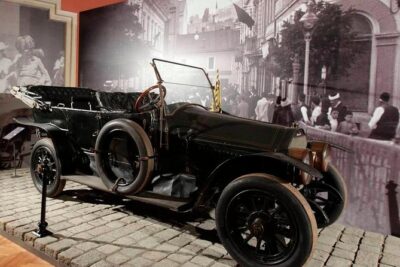
Browse the lists this tour appears in