
REVIEW · SARAJEVO OLYMPIC MOUNTAINS
Sarajevo Grand Tour: Old Town, War Tunnel, Olympic Sites & More
Sarajevo reveals itself quickly. This tour pairs Ottoman Old Town sights with the War Tunnel, mountain viewpoints, and Olympic remains, giving you a useful first look at a city shaped by many cultures and a painful recent past. I like the mix of walking and driving, and I like that hotel pickup removes the hassle of finding your way between far-flung sites.
The strongest guides, including Elvis, Enes, Edis, Zulfo, Adnan, and others, bring real warmth and plenty of local stories. The main concern is timing: the planned tour lasts about five hours, but one account describes a much shorter three-hour outing, and a few promised elements may depend on the guide, weather, and group. Confirm the expected schedule at pickup if seeing every stop matters to you.
In This Review
- Key points at a glance
- Why this tour works as a first look at Sarajevo
- Starting beside City Hall and the Miljacka River
- Entering Kazandziluk, the coppersmiths’ street
- Bascarsija and the Ottoman center
- Bosnian coffee at Morica Han
- Gazi Husrev-beg Mosque and the city’s religious mix
- Latin Bridge and the event that changed Europe
- Bezistan, Taslihan, and the Meeting of Cultures
- Jewish, Catholic, and Orthodox Sarajevo
- Markale Market and the memory of the siege
- The War Tunnel, Sniper Alley, and Sarajevo Airport
- Trebevic Mountain and the Olympic bobsleigh track
- The Jewish Cemetery and Yellow Fortress view
- How the timing affects the value
- Guides, group size, and the feel of the day
- Who should book it?
- Should you book the Sarajevo Grand Tour?
- FAQ
- How long does the Sarajevo Grand Tour last?
- What time does the tour start?
- Where does pickup take place?
- Is the War Tunnel entrance included?
- Is Bosnian coffee included?
- How many people can join the tour?
- Can I cancel for a full refund?
Key points at a glance
- Bosnian history in one half-day: You move from Ottoman monuments and religious buildings to siege sites, the airport tunnel, and Olympic ruins.
- A useful Old Town orientation: Bascarsija, Morica Han, the Latin Bridge, Markale Market, and the Meeting of Cultures all fit into one guided walk.
- The War Tunnel takes about an hour: You see a short film, hear about the siege, and walk through part of the tunnel. The €10.50 entrance fee is not included.
- Private-vehicle transport saves your legs: The car connects the Old Town with the airport area, Trebevic Mountain, the Jewish Cemetery, and the Yellow Fortress.
- The bobsleigh track is a photo favorite: A short visit gives you time to see the abandoned Olympic track and take pictures.
- Small groups keep it personal: The maximum is 15 people, though some departures may operate with only one guide and one guest.
Why this tour works as a first look at Sarajevo
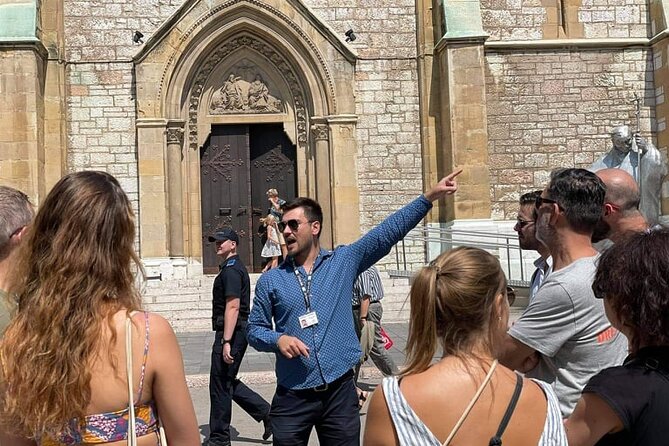
Sarajevo is compact in the center, but its important sights spread across the valley and surrounding hills. You can walk between many Old Town landmarks, yet the War Tunnel, Trebevic bobsleigh track, Jewish Cemetery, and Yellow Fortress require more effort and planning.
That is the real value here. For $47.06 per person, you get hotel pickup, a local guide, bottled water, Bosnian coffee, and transport by private vehicle. The price is reasonable if you have only one day in Sarajevo or want a clear introduction before exploring on your own.
This is not a slow museum tour. You cover a lot of ground, and some stops last only five or ten minutes. I would treat it as a guided orientation rather than a series of long indoor visits. You see the outside of several major buildings, hear why they matter, and return later if you want more time inside.
The tour is offered in English and is capped at 15 people. Some departures may be much smaller. One guest had a private outing because nobody else booked that day, while another tour included a six-year-old and kept the child interested. That flexibility is a plus, though the pace can vary with the group.
Other tours covering the siege of Sarajevo:
- Fall of Yugoslavia, Sarajevo War Tour with Tunnel of Hope Museum and Frontlines
★ 5.0 · 1,314 reviews - ROSES OF SARAJEVO (Official WAR + CITY tour)- Story of a Survivor
★ 5.0 · 770 reviews - Tunnel Museum: Bosnian & Yugoslav Wars Tour with War Veteran
★ 5.0 · 551 reviews
Starting beside City Hall and the Miljacka River
Pickup begins at 9:00 a.m. from your hotel lobby or another location in Sarajevo. The first stop is Sarajevo City Hall, known locally as Vijecnica, viewed from outside.
This ornate building gives your guide a natural starting point for Sarajevo’s story. You then see Inat Kuca, the Spite House, across the Miljacka River. Its name comes from a local tale of stubbornness tied to the construction of City Hall. It is a small detail, but it helps explain the proud, sharp humor you will notice in Sarajevo.
The walk continues to Seher Cehaja Bridge. These opening stops are brief, yet they establish the setting: the river, the Ottoman-era quarter ahead, and the meeting of architectural and cultural influences that define the center.
The walking portion is not difficult for most people, but you should expect regular movement over several hours. Comfortable shoes matter more than dressy clothes.
Entering Kazandziluk, the coppersmiths’ street
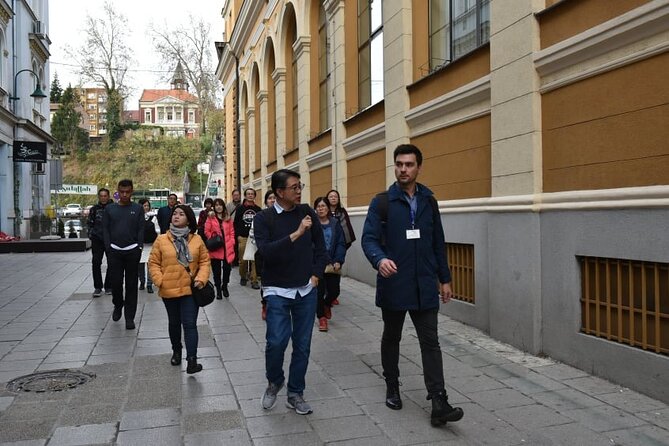
Crossing the Miljacka brings you into the pedestrian heart of the Old Town. Kazandziluk is known for its coppersmiths, and the tour includes a short presentation inside one of the shops.
You can expect to see traditional handcraft at close range rather than simply passing a row of souvenir stalls. That small demonstration gives the street more meaning. Copper coffee sets and other pieces are not just decorative objects, they connect to Bosnia’s long coffee tradition and the practical craft culture of the bazaar.
The route also passes Locksmith Street, now a popular food street. This is where you may hear about cevapi, burek and other pita pastries, sweets, and coffee. A food tasting is not clearly included as a formal part of the tour, so budget separately if you want to eat along the way.
Bascarsija and the Ottoman center
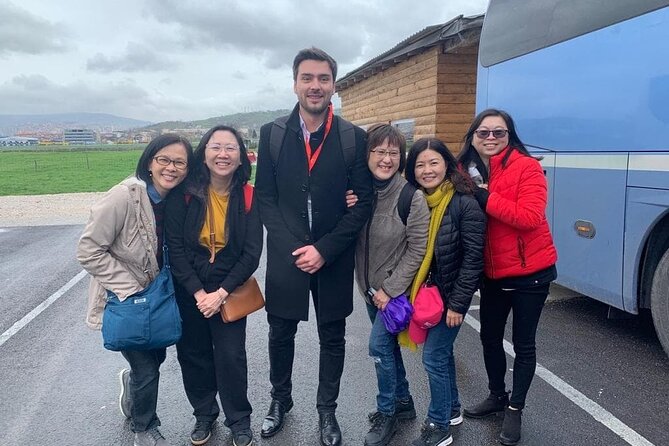
Bascarsija is the symbolic center of Sarajevo. Its Sebilj fountain marks the main square and has offered water to people passing through the bazaar for centuries.
The scheduled stop is short, about five minutes, but your guide uses the square to explain how the Old Town fits together. From here, you walk along the main promenade lined with small shops, restaurants, cafes, and souvenir sellers.
The charm is in the details: narrow lanes, old trading streets, handmade copper goods, and the steady flow of local life. The drawback is that a short guided visit cannot cover every lane or shop. I would note places you want to revisit after the tour, when you can browse without watching the clock.
More of the Olympic mountains:
- Sarajevo Full Day Tour: History, Culture, Nature, War & Olympics
★ 5.0 · 27 reviews - Sarajevo: Olympic Mountains and Spring of Bosna River Tour
★ 5.0 · 25 reviews - Cable Car Olympic Tour With Museum
★ 5.0 · 17 reviews - Trebevic Mountain Biking Tour from Sarajevo – Bobsleigh Track
★ 5.0 · 16 reviews
Bosnian coffee at Morica Han
Morica Han is one of the best stops on the route. This sixteenth-century Ottoman caravansary once served merchants and traders. Today, it offers a quieter courtyard away from the main promenade.
Here, the tour includes traditional Bosnian coffee and time to hear about local customs. The coffee is strong, finely ground, and served with its own ritual. Your guide may show you how to drink it, as one guest specifically praised. The experience is less about getting caffeinated and more about understanding the social role of coffee in Bosnia.
Several accounts singled out the coffee as a favorite part of the day. One guide even arranged a particularly personal stop involving traditional snacks and coffee at the tunnel area. That kind of added local touch may depend on the guide and the circumstances, so do not assume every departure includes the same extra food.
Gazi Husrev-beg Mosque and the city’s religious mix
The tour then reaches the Gazi Husrev-beg Mosque, one of the central Ottoman monuments in Sarajevo. You see the garden, mosque, minaret, sadrvan fountain, Islamic school, and lunar clock tower while hearing about Gazi Husrev-beg and his role in the city.
The planned visit focuses on the grounds and exterior elements. Interior access is not guaranteed, and admission arrangements are not included in the tour price. If entering the mosque is important to you, ask the guide early in the day whether the group can make that work.
This stop matters because Sarajevo’s identity cannot be understood through one tradition alone. The route later passes Catholic, Orthodox, and Jewish sites, making the city’s religious mix visible within a relatively small area.
Latin Bridge and the event that changed Europe
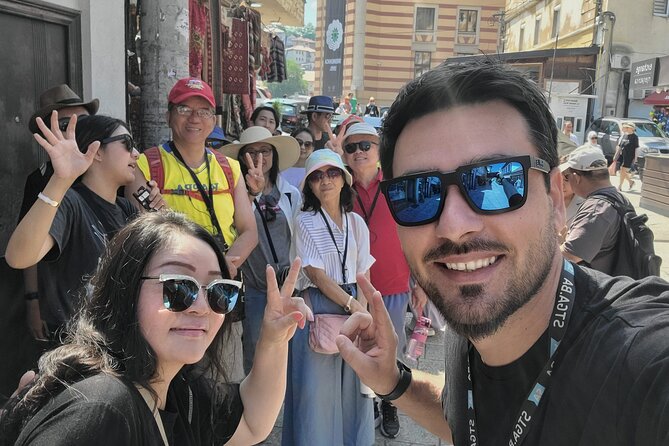
At the Latin Bridge, your guide explains the assassination site connected with Archduke Franz Ferdinand in 1914. The stop also passes an old public toilet dating from the sixteenth century, which is still in use.
That pairing is very Sarajevo: a major event in world history beside a humble piece of everyday infrastructure. The bridge itself is not a huge monument, so the guide’s explanation is the main reason to pause here.
You should expect about 15 minutes. If you want a detailed discussion of the First World War, this will feel brief. It works well as a clear introduction, then you can return on foot later.
Bezistan, Taslihan, and the Meeting of Cultures
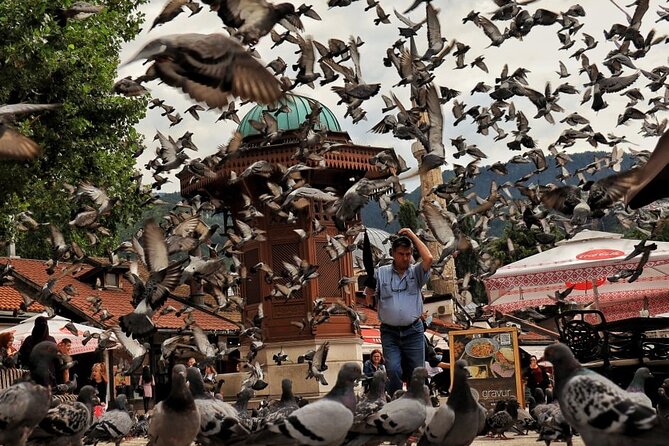
The Gazi Husrev-beg Bezistan is a covered sixteenth-century market. Nearby, you see the ruins of Taslihan, once the largest caravansary in Sarajevo, as well as Hotel Europe.
The contrast between old market buildings, Ottoman ruins, and later European architecture helps you read the city in layers. Your guide then takes you to the Sarajevo Meeting of Culture, the point where the eastern and western parts of the city are traditionally said to meet.
It is an easy place to understand Sarajevo’s geography and character. The stop lasts only a few minutes, so listen closely and take a quick photograph before moving on.
Jewish, Catholic, and Orthodox Sarajevo
The route continues past the Jewish Museum of Bosnia and Herzegovina, located in a sixteenth-century synagogue. The visit is outside, with an explanation of the Sarajevo Haggadah and the long story of Jewish life alongside other communities.
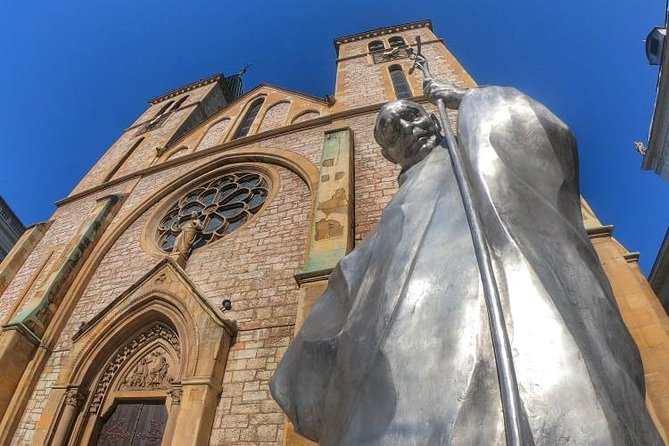
You then walk along Ferhadija promenade to the Sacred Heart Cathedral. The stop includes the cathedral exterior, Sarajevo Roses, and the statue of Pope John Paul II. The roses are mortar scars filled with red resin, memorials to people killed during the siege.
The Serbian Orthodox Cathedral follows. Again, the visit is outside. These stops are valuable because they are not presented as isolated buildings. Together, they show how mosques, synagogues, Catholic churches, and Orthodox churches sit within the same central area.
The pace can feel quick here. You are seeing several sites in succession, so I would write down names and return later if you want to visit interiors or learn more.
Markale Market and the memory of the siege
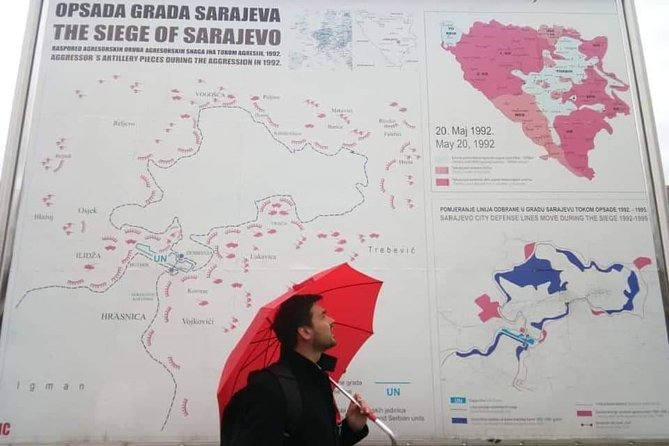
At Markale Market, you pass a historic hamam and stop at the marketplace associated with a deadly massacre during the 1992 to 1995 war.
This is not a light sightseeing stop. The guide’s explanation gives context to the Sarajevo Roses and prepares you for the War Tunnel later in the day. The tour handles both old monuments and recent trauma, so you should be ready for serious subject matter.
The short stop is enough to identify the place, but not enough for a full study of the siege. That is one reason a separate museum visit can be worthwhile if modern Sarajevo is your main interest.
The War Tunnel, Sniper Alley, and Sarajevo Airport
The private vehicle becomes essential as you leave the center. You pass Sniper Alley, cross into the country’s second entity, Republika Srpska, and continue toward Sarajevo Airport and the War Tunnel Museum.
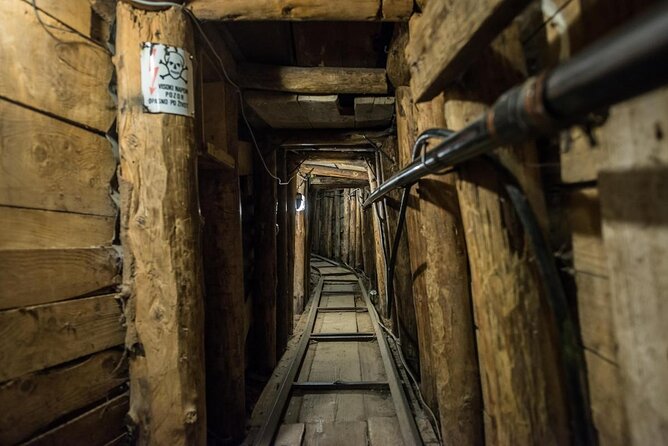
The tunnel was a lifeline during the siege. Inside the museum, you watch a short film, hear a presentation, and walk through part of the tunnel itself. The full stop is planned for about one hour, making it the longest single visit on the tour.
The entrance fee is €10.50 per booking and is not included. Bring that amount in addition to the tour price, and confirm the payment method when you are picked up.
This is one of the most valuable parts of the experience because it turns a difficult chapter of Sarajevo’s past into something physical and understandable. The tunnel section is narrow and only part of the original route, but even a short walk gives scale to the conditions people faced.
The quality of this stop depends heavily on the guide. Enes was praised for knowing the family connected with the tunnel and for adding coffee and traditional snacks during one visit. That is a special extra, not something you should count on, but it shows how a local guide can make the stop feel personal rather than purely documentary.
Trebevic Mountain and the Olympic bobsleigh track
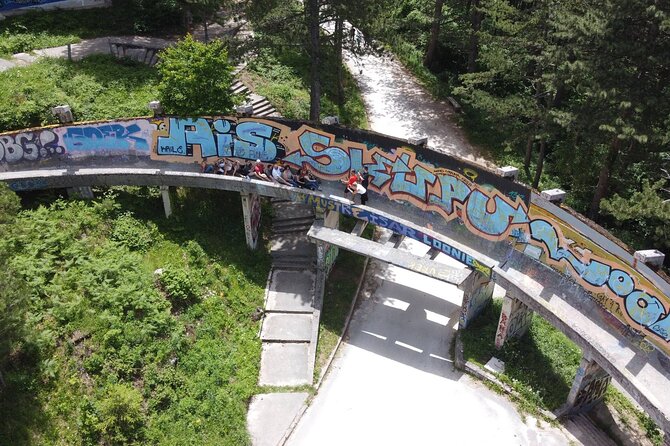
From the tunnel area, you drive about 15 to 20 minutes toward Trebevic Mountain. The route passes former war frontlines before a short walk to the Sarajevo Olympic Bobsleigh and Luge Track.
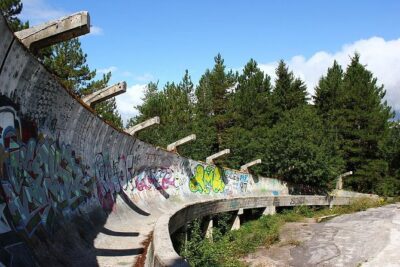
The track was built for the 1984 Winter Olympics and later became a striking reminder of both Sarajevo’s sporting ambitions and the war years. Graffiti and worn concrete give it a raw look, while the surrounding mountain setting provides a sharp change from the dense Old Town.
The stop lasts about 30 minutes and is mainly for walking and photographs. Many people consider it the visual highlight of the day. One guide took pictures for the couple he was leading, a small service that can make the stop more enjoyable.
Weather can affect this section. One response from the operator suggested that rain may have led to driving closer to the bobsleigh track instead of walking through the forest. That is practical, but it can also change the feel of the stop.
The Jewish Cemetery and Yellow Fortress view
Driving down the mountain takes you through Sarajevo’s mahalas, or hillside neighborhoods, to the Jewish Cemetery. The cemetery includes a former sniper position overlooking the city center and Sniper Alley. You also hear about the War Hotel.
This is a powerful viewpoint because it helps you understand the city’s valley shape and the military importance of the surrounding hills. The stop lasts around 15 minutes, so you will not have much time for an extended cemetery visit.
The final major viewpoint is the Yellow Fortress. Along the way, you pass Skenderija Olympic Hall and the Ashkenazi Synagogue. From the fortress, you get one of the clearest broad views over Sarajevo before being dropped off in the Old Town.
The vehicle is especially useful here. Sarajevo’s hills are rewarding but tiring, and driving to the viewpoint saves energy for the rest of your day.
How the timing affects the value
The advertised duration is approximately five hours. Several accounts describe five to five and a half hours, with the full route and stops included. One account, however, says the tour lasted only three hours and missed the Bosnian coffee experience.
That difference matters. Sixteen stops in five hours already create a brisk schedule. If the tour is shortened, you may receive a drive-by overview rather than the full balance of walking, history, coffee, tunnel, and mountain visits.
The operator apologized for the shortened experience and offered a full refund in that case. Still, I would confirm the plan at the start. Ask how much time is expected at the War Tunnel, Morica Han, and the bobsleigh track. If rain or traffic changes the route, you will know what to expect.
Guides, group size, and the feel of the day
The guide is the heart of this tour. Elvis is repeatedly praised for clear explanations, humor, warmth, careful driving, and strong knowledge of Sarajevo. Enes is described as energetic, personal, and especially good at connecting stories to photographs and local memories.
Edis is praised for being friendly and accommodating. Zulfo helped older members of one group with currency exchange and kept a six-year-old engaged. Adnan received particular praise for explaining the war-related sites.
These details tell you what to look for: a guide who can connect dates and buildings to real people and daily life. The best moments seem to come from conversation, stories, food suggestions, and small unscheduled kindnesses.
The group limit is 15, and most people can participate. Children must be accompanied by an adult. Because you walk through the Old Town and make short walks at the cemetery and bobsleigh track, comfortable shoes are a sensible choice.
Who should book it?
I would book this tour if you have limited time and want both Sarajevo’s central sights and its major war and Olympic locations. It is also a good first-day choice because the guide helps you get your bearings, points out food streets, and gives you ideas for places to revisit.
It suits people who value stories more than long interior visits. It is less suitable if you want to spend an hour inside every mosque, church, synagogue, and museum. The tour is broad by design.
At $47.06, the combination of pickup, transport, guide, coffee, and a five-hour route is good value. Add the €10.50 tunnel fee and allow money for food or extra drinks. Free cancellation is available up to 24 hours before the start time, and a full refund is offered if the minimum group size is not met and the tour is canceled.
Should you book the Sarajevo Grand Tour?
Book it if you want a wide, efficient introduction to Sarajevo with a strong focus on local history, the 1992 to 1995 siege, and the city’s mixed religious heritage. The War Tunnel, bobsleigh track, Jewish Cemetery, and Yellow Fortress are difficult to combine independently in half a day.
Before setting out, confirm that your departure will run close to the full five-hour schedule and ask about the coffee and mosque arrangements. If the guide is Elvis, Enes, Edis, Zulfo, or Adnan, you are likely to get the friendly, story-led approach that makes this route work so well. Even with the brisk pace, it offers a lot for the price and gives you a strong map of what to explore next.
FAQ
How long does the Sarajevo Grand Tour last?
The planned duration is approximately five hours. Some departures have lasted about five and a half hours, while one reported outing lasted three hours.
What time does the tour start?
Pickup begins at 9:00 a.m.
Where does pickup take place?
Pickup is offered from the lobby of your hotel or another location in Sarajevo.
Is the War Tunnel entrance included?
No. The entrance fee to the Tunnel Museum is €10.50 per booking and is not included in the tour price.
Is Bosnian coffee included?
Yes. Bosnian coffee is listed as included, and the route includes a coffee experience at Morica Han. The exact experience can depend on the departure and guide.
How many people can join the tour?
The maximum group size is 15 people. Some departures may have fewer participants or operate as a private experience if only one booking is made.
Can I cancel for a full refund?
Yes. You can cancel at least 24 hours before the start time for a full refund. Cancellations or changes made less than 24 hours before the start time are not refunded or accepted.
Just added in Sarajevo
- Sarajevo Under Siege: A War History Tour★ 5.0 · 10 reviews
- Walking Tour in Sarajevo★ 5.0 · 3 reviews
- Private Full Day Safari Tour★ 5.0 · 8 reviews
- Bosnian Pyramid: The World’s Largest Pyramid (From Sarajevo)★ 5.0 · 1 review
- Ultimate adventure★ 5.0 · 2 reviews
- Mysterious Visoko Pyramids Driving and Walking Tour★ 5.0 · 7 reviews
- Travnik, Jajce, Pliva Lakes & Mills –Medieval & Ottoman Bosnia Full Day Tour★ 5.0 · 3 reviews
- Sarajevo to/from Zagreb Transfer Day Tour (North-central Bosnia)★ 5.0 · 4 reviews
Sarajevo Olympic Mountains, compared.
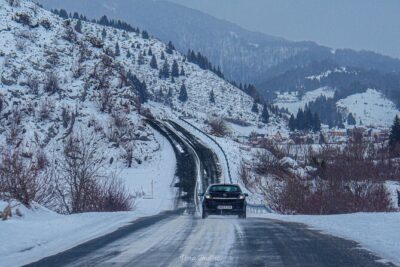
Sarajevo: Olympic Mountains and Spring of Bosna River Tour
Read our review →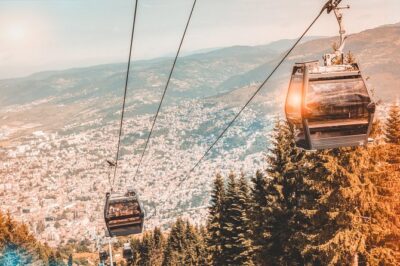
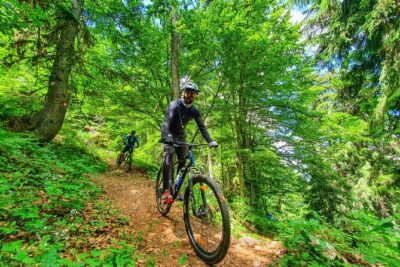
Trebevic Mountain Biking Tour from Sarajevo – Bobsleigh Track
Read our review →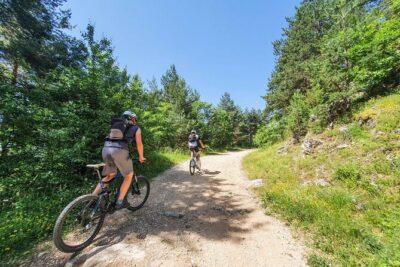
Skakavac Waterfall Mountain Biking Tour from Sarajevo MTB
Read our review →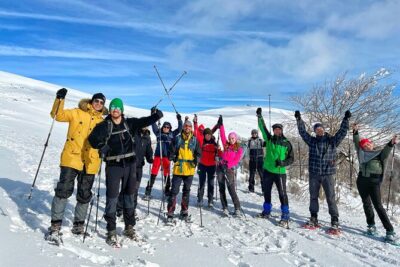
Experience Snowshoeing in Olympic Mountain Bjelašnica
Read our review →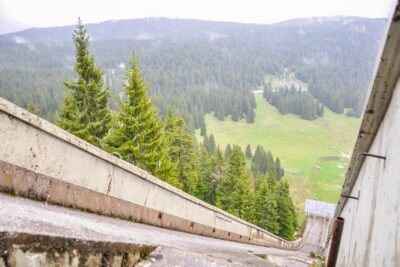
Sarajevo Olympic mountains – Driving and Walking Tour
Read our review →
Browse the lists this tour appears in