
REVIEW · SARAJEVO WAR HISTORY TOURS
Sarajevo City SIghtseeing / War Bike Tour
Sarajevo makes history feel close. This six to seven-hour bike tour links Ottoman streets, Austro-Hungarian landmarks, and the Tunnel of Hope, giving you a useful first look at the city without keeping you on foot all day. I like the small maximum group of 10, and I like that the route reaches Vrelo Bosne as well as the central sights. The main consideration is physical: one guest reported cycling just over 25 miles, so this is more than a gentle ride between monuments.
The strongest part is the local storytelling. Guides including Mustafa, Mirza, Said, and Arna have been praised for explaining Sarajevo’s past while adding food, shopping, and sightseeing suggestions for later. Tunnel admission and bicycle use are included, which helps justify the $138.34 price, though you should confirm that the distance and pace suit you before booking.
In This Review
- Key points to know before you book
- Why a bike is a smart way to see Sarajevo
- Starting in Baščaršija at Sebilj
- Kazandžiluk and the working old market
- Vijećnica and the House of Spite
- Latin Bridge and the event that changed Europe
- Gazi Husrev-beg Mosque and Bezistan
- Sacred Heart Cathedral and Sarajevo’s many faiths
- The Parliament building and the modern city
- Vrelo Bosne, a one-hour change of pace
- The Sarajevo War Tunnel and the Siege of Sarajevo
- What the guides add to the day
- Is $138.34 a fair price?
- Practical details for choosing the right day
- Who should book the Sarajevo War Bike Tour?
- FAQ
- How long does the Sarajevo City Sightseeing and War Bike Tour last?
- What is the maximum group size?
- What is included in the price?
- Is the War Tunnel admission included?
- Is the tour available in English?
- What happens if the weather is poor?
- Should you book it?
Key points to know before you book
- A long route by bicycle: One account describes a ride of just over 25 miles, covering far more ground than a standard walking tour.
- A serious look at wartime Sarajevo: The Tunnel of Hope museum gives the 1990s conflict a direct, physical setting.
- Small groups matter: The tour accepts no more than 10 people, leaving room for questions and personal guidance.
- The city’s main layers appear in one day: Ottoman, Austro-Hungarian, modernist, religious, and wartime landmarks all fit into the route.
- Nature breaks up the history: The one-hour visit to Vrelo Bosne adds springs, park paths, and a calmer setting outside central Sarajevo.
- Guides are a major strength: Mustafa and Mirza are singled out for clear, engaging explanations, while Said is praised for being helpful and easygoing.
Why a bike is a smart way to see Sarajevo
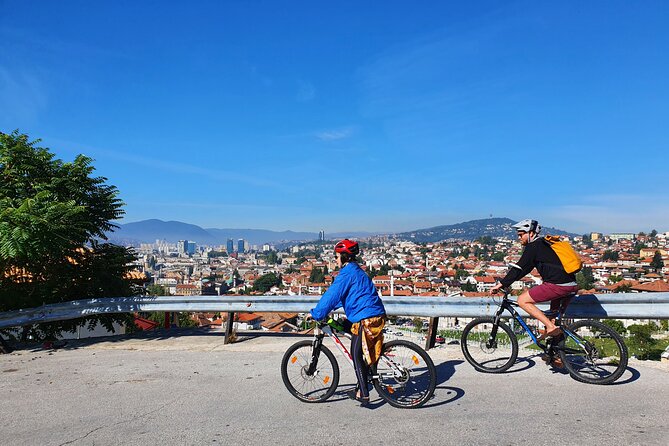
Sarajevo’s central sights are close together, but the Tunnel of Hope and Vrelo Bosne sit outside the old town. A walking tour can explain the center well, yet it will not cover the same ground in one day. This route uses bicycles to connect the historic core with the city’s wider story.
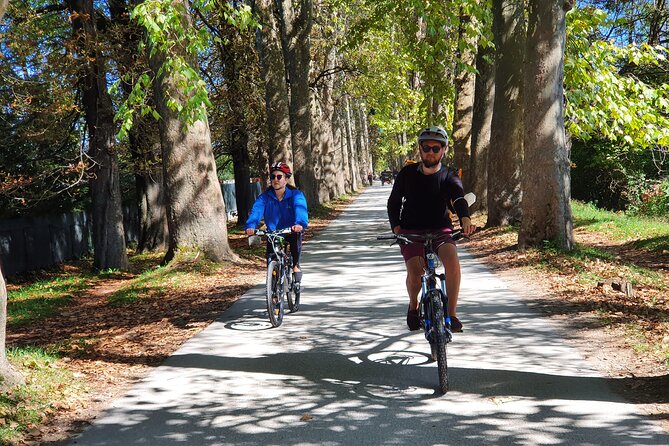
I like that the bicycle is not just a novelty here. It lets you move from Baščaršija’s narrow lanes to larger roads and outlying sites without splitting the day into separate tours. You also get a clearer sense of Sarajevo’s shape, from the old commercial center to the places linked with the siege.
Still, do not think of this as a five-minute ride between photo stops. The reported distance of more than 25 miles is substantial. The tour lasts around six to seven hours, and the combination of riding, standing, listening, and museum visits makes it a full day. If you rarely cycle, ask the operator about the expected pace and route before paying.
A bicycle, helmet, and the two paid admissions are included. The tour is offered in English, and the maximum group size is 10. That is small enough for a guide to keep an eye on the group and answer questions without turning the outing into a private tour.
Other tours covering the siege of Sarajevo:
- Fall of Yugoslavia, Sarajevo War Tour with Tunnel of Hope Museum and Frontlines
★ 5.0 · 1,314 reviews - ROSES OF SARAJEVO (Official WAR + CITY tour)- Story of a Survivor
★ 5.0 · 770 reviews - Tunnel Museum: Bosnian & Yugoslav Wars Tour with War Veteran
★ 5.0 · 551 reviews
Starting in Baščaršija at Sebilj
The meeting point is Obala Isa-bega Ishakovića 3, with a 9:00 am start and a return to the same place. The first stop is Sebilj, the famous wooden fountain in Baščaršija.
Sebilj was built in the 18th century and is one of Sarajevo’s most recognizable Ottoman-era symbols. It sits among cobbled lanes, shops, and cafes, making it a good place to get your bearings before the ride begins. You have about five minutes here, so expect a quick introduction and a photograph rather than a long historical talk.
This is also a useful moment to notice how compact the old market feels. Sarajevo’s Ottoman character is not confined to one museum. It appears in the street plan, the small shops, the fountain, and the craft traditions still tied to Baščaršija.
Kazandžiluk and the working old market
Kazandžiluk is one of the oldest streets in Sarajevo’s market district. It dates from the 16th century and is known for coppersmiths who make coffee pots, trays, jewelry, and other household pieces.
The lane is pedestrian-only and cobbled, so you will likely leave the bike briefly while walking through it. That small detail matters. You are not simply passing a historic street from a saddle. You get a closer look at the handwork and the narrow shopfronts that give this part of town its character.
If you want a useful souvenir, this is one of the better places to consider a handmade copper item. Keep your spending in check, though. The tour is designed for sightseeing, not an extended shopping stop, and the schedule has many more locations ahead.
Vijećnica and the House of Spite
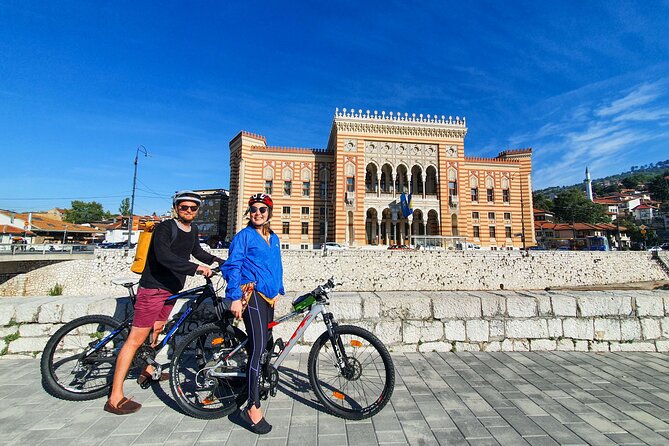
Sarajevo City Hall, or Vijećnica, brings a different architectural chapter. Built in 1894, it uses Moorish Revival forms and once housed the National Library. During the Siege of Sarajevo in 1992, the building was badly damaged. After restoration, it reopened in 2014 as a national monument and cultural venue.
The building helps explain how Sarajevo changed under Austro-Hungarian rule. After the Ottoman market streets, its grand design feels deliberately formal. The contrast is part of the appeal, since the city’s identity comes from several periods placed close together.
Across the river is Inat Kuća, known in English as the House of Spite. The story is wonderfully Sarajevo: when authorities wanted the site for City Hall, the owner refused to sell, so the house was moved brick by brick to the opposite bank. It now operates as a restaurant serving Bosnian food.
You get about five minutes at the House of Spite, so treat it as a quick look rather than a meal stop. If you want to eat there, save the address for later. The brief visit is enough to understand the building’s story, but not enough to sample its menu.
More bike tours in Sarajevo:
- Trebevic Mountain Biking Tour from Sarajevo – Bobsleigh Track
★ 5.0 · 16 reviews - Skakavac Waterfall Mountain Biking Tour from Sarajevo MTB
★ 5.0 · 11 reviews - Sarajevo E-Bike City Tour
★ 5.0 · 3 reviews - Mountain biking tour Lukomir Visocica Boracko lake
★ 5.0 · 2 reviews
Latin Bridge and the event that changed Europe
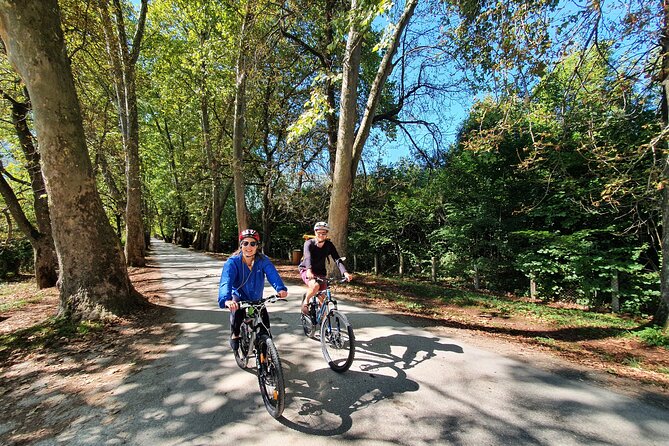
Latin Bridge is an Ottoman bridge dating from the 16th century. It is famous as the place near which Archduke Franz Ferdinand was assassinated in 1914, an event that helped trigger the First World War.
The bridge itself is modest, and that is part of the lesson. Large events can begin in ordinary-looking places. You may spend only five minutes here, but the location gives your guide a chance to connect Sarajevo with European politics and the chain of events that followed.
Do not expect a long stop or an elaborate museum visit at the bridge. Its value comes from the explanation and the setting. This is a place where a few well-told details matter more than a long list of dates.
Gazi Husrev-beg Mosque and Bezistan
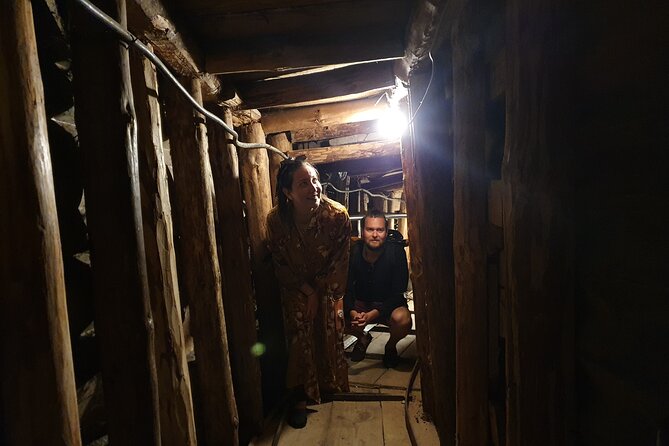
The Gazi Husrev-beg Mosque is the largest mosque in Sarajevo. Built in 1530, it is one of the key Ottoman landmarks in the city and a central part of Baščaršija.
The stop is listed at five minutes, so the focus is likely on the exterior and the mosque’s place in Sarajevo’s religious and civic life. If you want to enter or spend longer looking at the architecture, check with the guide about the schedule and local visiting rules. The tight timing means you should not count on a detailed interior visit.
Nearby, Gazi Husrev-beg’s Bezistan is a covered 16th-century market built by the same Ottoman governor. Shops line the arched passageways, creating a more enclosed market experience than the open lanes around Sebilj.
Together, the mosque and Bezistan show how religion, commerce, and daily life were linked in Ottoman Sarajevo. I find this pairing more useful than seeing either building alone. One explains the city’s spiritual center, while the other shows how trade worked around it.
Sacred Heart Cathedral and Sarajevo’s many faiths
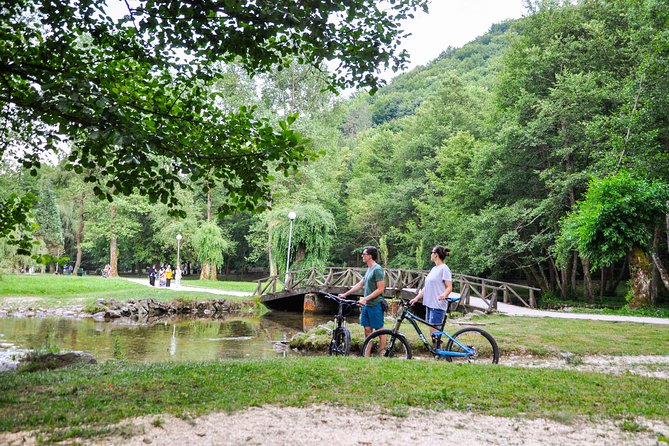
The Sacred Heart Cathedral is the largest cathedral in Bosnia and Herzegovina. Built in the late 19th century, it uses a Neo-Gothic design and adds a Christian landmark to the route through the old city.
After the mosque and Ottoman market, the cathedral makes Sarajevo’s religious mix easier to see. The city’s major faiths are not presented as distant subjects. Their buildings sit within the same urban fabric, often just a short ride or walk apart.
Again, the scheduled stop is about five minutes. That is enough for an outside look and a short explanation, but not for a slow architectural inspection. If religious interiors are a priority for you, allow time to return independently.
The Parliament building and the modern city
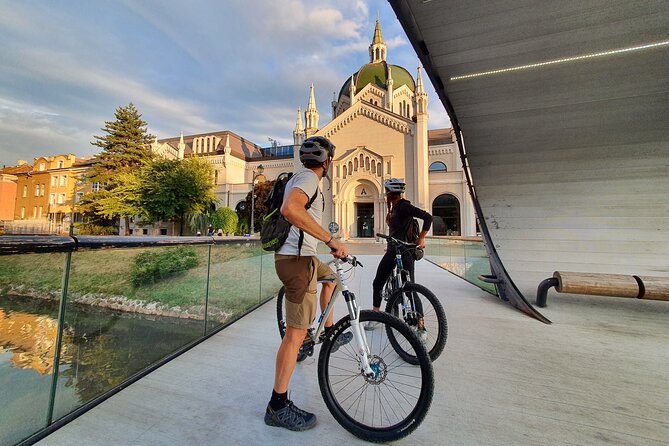
The Parliamentary Assembly of Bosnia and Herzegovina occupies a modernist building completed in 1982 and designed by architect Juraj Neidhardt. It was badly damaged during the Siege of Sarajevo and later restored.
This stop widens the tour’s time frame. You have moved from Ottoman Sarajevo to the Austro-Hungarian period, then to a modern government building marked by the 1990s war. The result is a quick visual timeline of the city.
The Parliament stop is also brief, around five minutes. Its importance is less about decorative detail and more about what the building represents: a functioning state institution that carries visible scars from the conflict.
Vrelo Bosne, a one-hour change of pace
Vrelo Bosne is the spring of the River Bosna, located in a public park near the foothills of Mount Igman on Sarajevo’s outskirts. The tour allows about an hour here, making it the longest stop before the War Tunnel museum.
This is a welcome break after the central city landmarks and the longer ride. You can expect a greener, quieter setting around the spring and park. The change of pace also keeps the day from becoming one long sequence of monuments and war stories.
Admission is included. You should still remember that this is an outdoor stop. The quality of the visit depends on the weather, and the tour itself requires good conditions. Comfortable clothing and sensible footwear are practical choices, even though the bicycle and helmet are supplied.
Vrelo Bosne also helps you understand Sarajevo beyond its historic center. The city is not only markets, bridges, religious buildings, and wartime sites. Its nearby natural areas are part of the local experience, and the spring provides a calmer counterpoint to the city’s difficult past.
The Sarajevo War Tunnel and the Siege of Sarajevo
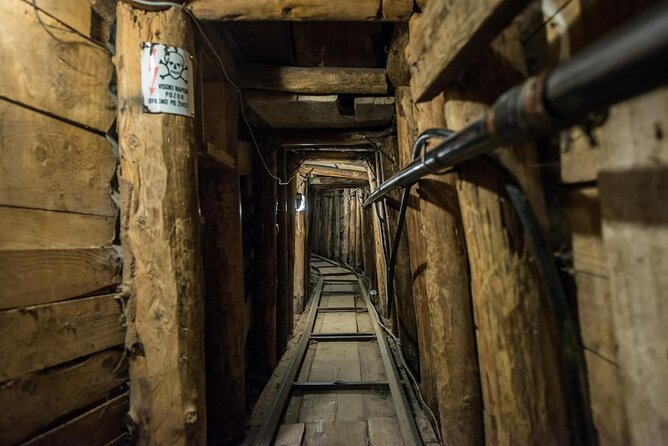
The Sarajevo War Tunnel is the emotional center of the tour. During the Bosnian War, the tunnel linked two areas held by Bosnian forces that had been cut off by the Army of Republika Srpska.
The museum admission is included, and the visit lasts about an hour. That is enough time to understand why the tunnel mattered as a supply and connection route during the siege. You are not just hearing about the conflict from a city street. You are visiting the physical place built to keep a population connected under extreme pressure.
The tunnel can be difficult subject matter, so expect the mood to change. The earlier stops introduce Sarajevo through architecture, trade, religion, and famous events. The museum brings you into the 1990s and asks you to consider the practical realities of life during the siege.
Guides are especially important here. Mustafa has been praised for combining city highlights with less obvious places, while Mirza is described as both informative and entertaining. Said is noted for his history knowledge, charm, and willingness to adapt. Those qualities matter more at the tunnel than a memorized speech would. You want clear context, room for questions, and a respectful tone.
The War Tunnel is outside the central sightseeing circuit, which is one reason the bicycle format has real value. Reaching it as part of a single guided route saves you from arranging a separate visit and places the museum within the broader story of Sarajevo.
What the guides add to the day
The guide may be the difference between a good route and a meaningful one. The strongest comments about this experience focus on the people leading it, especially Mustafa, Mirza, Said, and Arna.
Mustafa is praised for taking time with the major sights while also adding places beyond the obvious route. Mirza is described as keeping the ride informative and entertaining. Said is noted for being charming and accommodating, useful traits on a long cycling day.
Arna has been praised for explaining Bosnian history and culture and for suggesting places to eat, shop, and visit after the tour. Those practical tips can be particularly valuable if this is your first day in Sarajevo and you need help deciding what to do next.
The names do not guarantee which guide you will receive. They do show the level of personal contact the company aims to provide. With a group capped at 10, you have a better chance to ask about food, museums, local customs, or wartime landmarks than you would on a large bus tour.
Is $138.34 a fair price?
At $138.34 per person, this is not a bargain-priced city orientation. The value comes from what the price combines: a bicycle, helmet, English-speaking guide, admission to Vrelo Bosne, admission to the War Tunnel museum, and a full day of sightseeing.
The cost looks stronger if you want one experience that covers both central Sarajevo and the outlying tunnel. You also avoid the planning work of joining separate city and war-history tours. The small group and local explanation add further value.
The price is harder to justify if you only want a quick old-town introduction or if you do not enjoy long bike rides. Several central sights receive only about five minutes each, so a visitor focused on detailed architecture may prefer slower individual visits after the tour.
I would judge the price by your priorities. If you want broad coverage, history, nature, and a guide who can put the city together for you, it is reasonable. If your ideal day involves short distances and long cafe stops, choose a walking tour instead.
Practical details for choosing the right day
The tour begins at 9:00 am and returns to the starting point. Confirmation is sent within 48 hours, subject to availability, so do not assume a booking is final until you receive it.
The activity is offered in English and is near public transportation. Most people can participate, but the cycling distance deserves more attention than the general participation note. Ask about the expected route if you have concerns about stamina, since one account puts the ride at more than 25 miles.
Good weather is required. If conditions are poor, the operator offers another date or a full refund. The tour also requires a minimum number of participants, with a similar choice of a new date, another experience, or a refund if that minimum is not met.
You can cancel for a full refund up to 24 hours before the start time. Changes or cancellations inside that period are not accepted for a refund. The cut-off follows Sarajevo local time.
Who should book the Sarajevo War Bike Tour?
I would choose this tour if you want a strong first-day overview and enjoy active sightseeing. It suits visitors who want the Ottoman market, major religious buildings, European history, modern Sarajevo, Vrelo Bosne, and the War Tunnel in one organized day.
It is also a good match if you prefer a small group and personal conversation. The guide can help you connect the sites rather than treating each stop as an isolated photo opportunity.
I would hesitate if you dislike cycling, want extensive time inside each monument, or prefer to explore at a slow pace. The brief central stops and reported long distance mean this is a coverage tour, not a leisurely architecture walk.
FAQ
How long does the Sarajevo City Sightseeing and War Bike Tour last?
The tour lasts approximately six to seven hours, beginning at 9:00 am and ending back at the meeting point.
What is the maximum group size?
The tour has a maximum of 10 participants, creating a smaller group setting.
What is included in the price?
The price includes bicycle use, helmet use, admission to the War Tunnel museum, admission to Vrelo Bosne, and the guided experience.
Is the War Tunnel admission included?
Yes. Admission to the Sarajevo War Tunnel museum is included, with about one hour allocated for the visit.
Is the tour available in English?
Yes. The experience is offered in English.
What happens if the weather is poor?
The tour requires good weather. If it is canceled because of poor weather, you will be offered another date or a full refund.
Should you book it?
Book it if you want Sarajevo’s major stories tied together in one active day. The route is especially useful for a first visit because it moves from Ottoman Baščaršija and its craft streets to the Latin Bridge, religious landmarks, modern government buildings, Vrelo Bosne, and the War Tunnel.
The key question is not the sightseeing list. It is the ride. If you can manage a potentially long cycling route and want the city explained by a local guide, the combination of coverage, small-group attention, and included admissions makes this a strong choice. If you want slow visits and plenty of unplanned time, book separate shorter outings instead.
More City Tours in Sarajevo
- Delicious Sarajevo: Eat, Walk & Discover City Tour
★ 4.5 · 37 reviews - Sarajevo: A City Under Siege – War Tour With Tunnel Museum
★ 5.0 · 4 reviews - Sarajevo Under Siege: A City’s Struggle & Survival Tour
★ 5.0 · 3 reviews - Mostar city Tour
★ 5.0 · 34 reviews
Just added in Sarajevo
- Sarajevo Under Siege: A War History Tour★ 5.0 · 10 reviews
- Walking Tour in Sarajevo★ 5.0 · 3 reviews
- Private Full Day Safari Tour★ 5.0 · 8 reviews
- Bosnian Pyramid: The World’s Largest Pyramid (From Sarajevo)★ 5.0 · 1 review
- Ultimate adventure★ 5.0 · 2 reviews
- Mysterious Visoko Pyramids Driving and Walking Tour★ 5.0 · 7 reviews
- Travnik, Jajce, Pliva Lakes & Mills –Medieval & Ottoman Bosnia Full Day Tour★ 5.0 · 3 reviews
- Sarajevo to/from Zagreb Transfer Day Tour (North-central Bosnia)★ 5.0 · 4 reviews
Sarajevo War History Tours, compared.
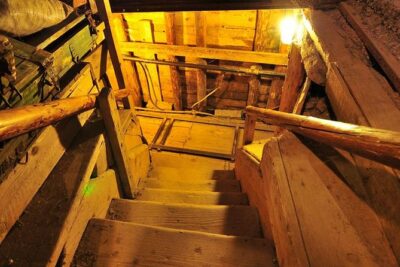
Fall of Yugoslavia, Sarajevo War Tour with Tunnel of Hope Museum and Frontlines
Read our review →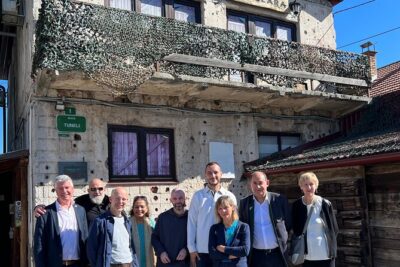
ROSES OF SARAJEVO (Official WAR + CITY tour)- Story of a Survivor
Read our review →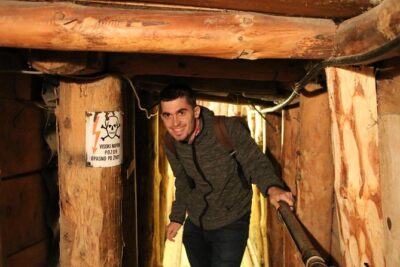
Tunnel Museum: Bosnian & Yugoslav Wars Tour with War Veteran
Read our review →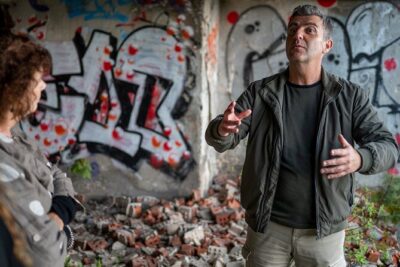
Sarajevo War Tour: A Veteran’s Story of the Siege (fees included)
Read our review →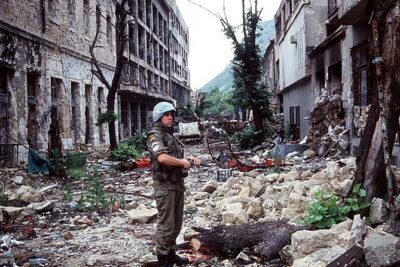
Break-up of Yugoslavia & The War in Mostar: Life Under Siege
Read our review →
Sarajevo to Srebrenica: Genocide Study Tour with War Veteran
Read our review →
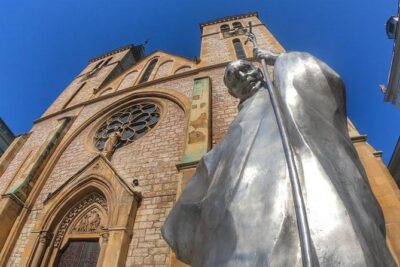
Sarajevo Grand Tour: Old Town, War Tunnel, Olympic Sites & More
Read our review →Browse the lists this tour appears in