
REVIEW · SARAJEVO WAR HISTORY TOURS
Sarajevo Under Siege: A City’s Struggle & Survival Tour
Sarajevo tells its hardest stories openly. This 3.5-hour tour connects the city’s wartime past with the breakup of Yugoslavia, the Siege of Sarajevo, and life in Bosnia and Herzegovina today. I like the clear focus on real places, especially the Sarajevo War Tunnel and the views from Yellow Fortress. I also like the small group limit of 10, which gives you a better chance to ask questions.
The main drawback is the subject matter. This is not a light sightseeing outing. You will hear about civilians trapped under fire, damaged neighborhoods, and the failures that led to war. The tour also moves through several sites in a short time, so you should expect an overview rather than a full study of every event.
In This Review
- Key points before you book
- Why Sarajevo needs a wartime tour
- Starting at Muvekita Street
- Yellow Fortress: seeing Sarajevo from above
- Sniper Alley and the danger of crossing town
- Asim Ferhatovic Hase Stadium and the lost promise of the Olympics
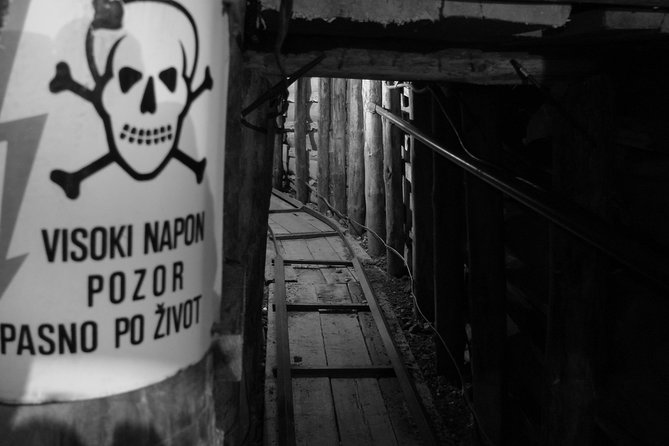
- The Sarajevo War Tunnel: the tour’s essential visit
- Jewish Cemetery and the city’s divided wartime story
- Sarajevo Roses and the marks left behind
- From the Dayton accords to Bosnia today
- Is the $45.38 price good value?
- Who will get the most from this tour?
- Practical details that matter
- Should you book Sarajevo Under Siege?
- FAQ
- Where does the tour begin?
- What time does the tour start?
- How long does the tour last?
- Where does the tour end?
- What is the maximum group size?
- Is admission to the Sarajevo War Tunnel included?
- Are meals included?
- Can I cancel for a full refund?
Key points before you book
- The Yellow Fortress sets the scene: You begin with a broad view of Sarajevo and an explanation of how the siege surrounded the city.
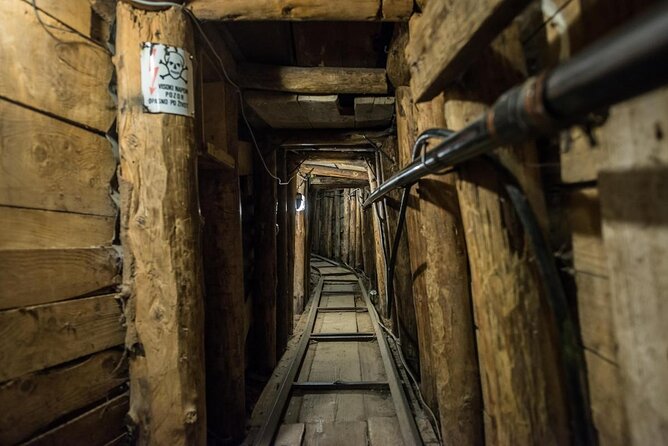
- The Tunnel Museum is the main stop: You get about 50 minutes at the tunnel dug beneath the airport, with admission included.
- Sniper Alley puts geography into context: A once-dangerous city street becomes easier to understand when you see how exposed Sarajevo was.
- The tour links war and politics: You learn about Yugoslavia’s breakup, Bosnia’s mixed identity, the Dayton peace accords, and present-day life.
- Guides are central to the experience: Safet and Adnan are praised for being friendly, clear, and helpful companions.
- The group stays small: A maximum of 10 participants makes this more personal than a large bus tour.
Why Sarajevo needs a wartime tour
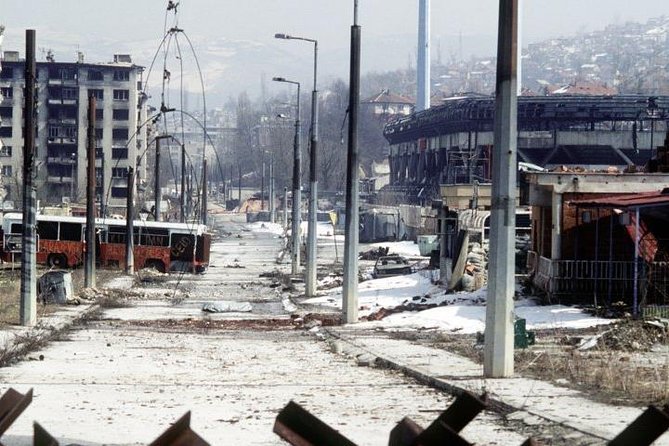
Sarajevo can seem easy to read at first. You see Ottoman-era streets, Austro-Hungarian buildings, cafés, hills, and religious landmarks packed close together. Yet the city’s recent past is never far away. The Siege of Sarajevo lasted from 1992 to 1995, and the tour helps you connect present-day streets with the events that shaped them.
The opening discussion covers the causes of Yugoslavia’s breakup and why Bosnia and Herzegovina is often described as a small Yugoslavia. That phrase points to the country’s mixture of ethnic, religious, and cultural communities. It also helps explain why Bosnia paid such a heavy price during the struggle for independence.
I value this background because Sarajevo’s war cannot be explained by one simple cause. The tour aims to show how political tensions, national movements, and the collapse of a state created a crisis that ordinary people had to endure. You are not just shown damaged buildings. You are given a framework for understanding why the city became a target and why finding an agreement was so difficult.
The guide also brings a personal perspective to the war and its effect on daily life. That human element matters. Dates and political terms can tell you when the siege happened, but personal accounts help you understand what it meant to live with danger as part of the daily routine.
Other tours covering the siege of Sarajevo:
- Fall of Yugoslavia, Sarajevo War Tour with Tunnel of Hope Museum and Frontlines
★ 5.0 · 1,314 reviews - ROSES OF SARAJEVO (Official WAR + CITY tour)- Story of a Survivor
★ 5.0 · 770 reviews - Tunnel Museum: Bosnian & Yugoslav Wars Tour with War Veteran
★ 5.0 · 551 reviews
Starting at Muvekita Street
The tour begins at the Toureedoo Sarajevo City Tours office at S.H., Muvekita 7, in central Sarajevo. The listed start time is 10:30 a.m., and the activity returns to the same meeting point.
The first meeting point is brief, only about five minutes, but arrive ready to leave on time. Transportation is included, which is useful because the sites are spread across different parts of the city. The tour is mobile-ticket based, so you do not need to manage a paper voucher.
A group of up to 10 is a sensible size for this subject. You avoid the impersonal feel of a large coach, while still having enough people for a lively exchange. The available information does not specify the vehicle type, so I would not book this expecting a particular style of transport.
Yellow Fortress: seeing Sarajevo from above
Yellow Fortress is the first substantial stop. You have about 15 minutes here, and there is no separate admission charge.
The viewpoint gives you a useful introduction to the city’s shape. Sarajevo sits in a long valley, with hills rising around it. From above, you can begin to understand how the city was exposed during the siege and how surrounding high ground affected movement and safety.
This is a strong opening because the geography does some of the explaining. Rather than hearing about the siege in a classroom, you can look across Sarajevo and see the compact urban area that civilians had to cross under dangerous conditions.
Do not expect a long visit. Fifteen minutes is enough for an orientation and a short explanation, but not enough for an extended stop or a relaxed photo session. Wear shoes suitable for moving between sites, and keep your attention on the guide. The purpose here is to establish context, not to linger.
Sniper Alley and the danger of crossing town
The tour includes a stop connected with Sniper Alley, the name given to one of the most dangerous streets in Sarajevo during the siege. The supplied details do not give a separate duration for this stop, so it appears to be handled as part of the moving city tour.
The value of this section is practical. A street can look ordinary now, especially when traffic and modern buildings have replaced wartime scenes. Your guide helps you understand why this route was so feared and how the city’s layout shaped the experience of civilians.
This is also where the tour’s focus on personal experience becomes important. The phrase Sniper Alley can sound like a dramatic label until you connect it with the simple act of walking, driving, or trying to reach another part of town. The stop should help you see the city not just as a collection of sights, but as a place where basic movement once carried grave risks.
Since the stop’s exact format is not specified, keep your expectations flexible. You may spend more time listening than looking at a single preserved object. That is not a weakness, but it does mean the guide’s explanation is the key part of the experience.
More city tours in Sarajevo:
- Delicious Sarajevo: Eat, Walk & Discover City Tour
★ 4.5 · 37 reviews - Sarajevo City SIghtseeing / War Bike Tour
★ 5.0 · 13 reviews - Sarajevo: A City Under Siege – War Tour With Tunnel Museum
★ 5.0 · 4 reviews - Sarajevo E-Bike City Tour
★ 5.0 · 3 reviews
Asim Ferhatovic Hase Stadium and the lost promise of the Olympics
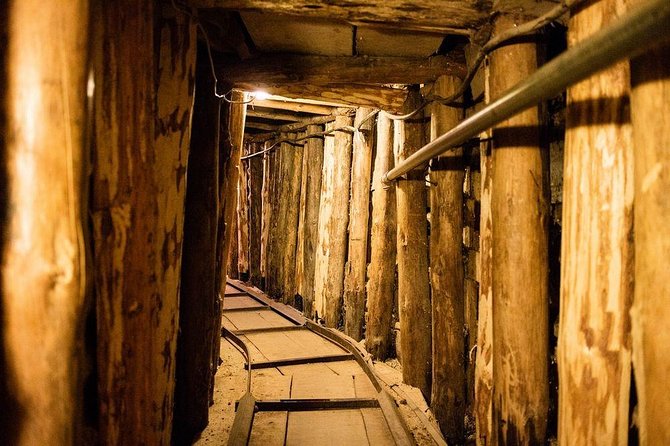
At Asim Ferhatovic Hase Stadium, you spend about 15 minutes. Admission is free.
The stadium is tied to Sarajevo’s 1984 Winter Olympics, an event that placed the city on the international stage. The tour explains the Sarajevo Olympics and what happened to the famous stadium where the opening ceremony took place.
This stop adds an important contrast. The Olympics represented modern international cooperation and optimism. The siege came less than a decade later. Seeing the stadium in a tour about wartime Sarajevo shows how quickly the city’s public image and daily reality changed.
I like this stop because it prevents the tour from treating the war as an isolated event. Sarajevo was not only a city under siege. It was also a place with civic ambition, international attention, and a recent memory of welcoming the world.
Again, 15 minutes is a short visit. You should expect a focused explanation rather than a full stadium tour. The stop works best as part of the larger story, linking the city’s prewar hopes with the destruction that followed.
The Sarajevo War Tunnel: the tour’s essential visit
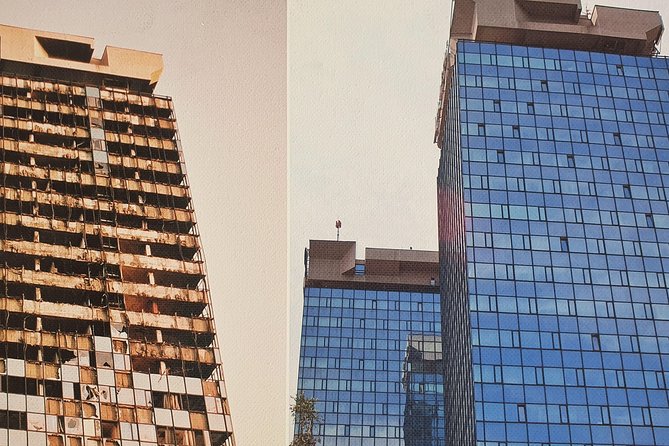
The Sarajevo War Tunnel receives the longest visit, about 50 minutes, and admission is included. This is the tour’s central site.
During the Bosnian War, the tunnel was dug beneath the airport and became Sarajevo’s only connection with the outside world. That basic fact explains its importance. With the city surrounded, the tunnel offered a way to move supplies and maintain a link with the rest of the country.
A museum visit here gives physical meaning to the siege. Political discussions can feel distant, but a passage built under extreme conditions is direct and concrete. You can better understand how survival depended on practical solutions, organized effort, and enormous personal risk.
The tunnel also shows why Sarajevo’s story is not only about military positions. It is about food, medicine, communication, and the continued effort to keep a city functioning. Your guide explains the tunnel’s role, while the museum gives you a place where that explanation can settle in.
The 50-minute allocation is helpful. It is long enough for the site to receive proper attention, unlike the shorter outdoor stops. Still, do not expect the entire structure to be open as a long walk. The supplied information identifies it as a museum and describes the original tunnel, but does not specify how much of the passage is accessible.
This is the point where I would pay closest attention to the guide. Safet is praised for giving an excellent private tour and for being pleasant company. Adnan is also praised for his clear knowledge of Sarajevo, friendly manner, and helpful attitude. Those comments suggest that the quality of the explanation is a major part of what you are paying for.
Jewish Cemetery and the city’s divided wartime story
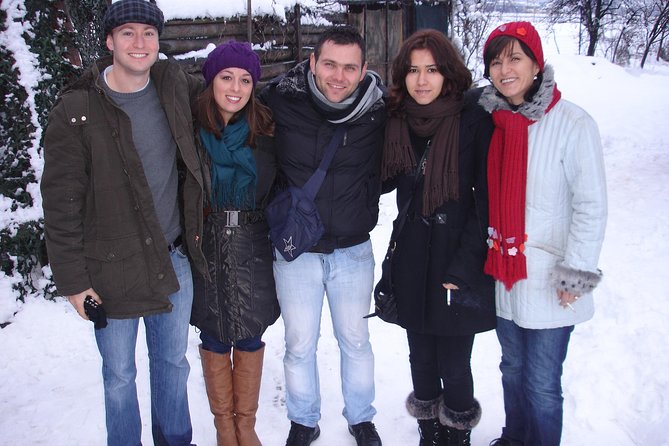
The Jewish Cemetery is the final major stop, with about 15 minutes and no separate admission charge.
The guide explains the cemetery’s role during the Siege of Sarajevo. This adds another layer to the tour because the site is not presented simply as a religious or historic landmark. It is part of the city’s wartime geography and helps show how different places were affected by the fighting.
The stop also supports the tour’s broader argument that Bosnia and Herzegovina contains many overlapping identities. The country’s religious and cultural mix is part of the reason it is described as a small Yugoslavia. At the cemetery, that idea becomes connected to an actual place rather than remaining a political phrase.
Fifteen minutes is enough for an explanation, but likely not enough for a long independent visit. Listen closely, since the stop’s meaning comes mainly from the guide’s account of its wartime role.
Sarajevo Roses and the marks left behind
The tour includes an explanation of Sarajevo Roses, the symbolic markings created where mortar explosions killed people. These marks are filled with red resin and resemble flowers, turning sites of death into memorials within the city.
The information provided does not assign a separate stop or length of time for the Roses, so they may be pointed out during the city drive or while discussing other locations. That arrangement makes sense. Sarajevo Roses are part of the city’s streets, not only objects in a museum.
I find this detail especially useful for independent sightseeing after the tour. Once you know what the markings symbolize, you may notice them differently as you walk through Sarajevo. The city’s memorials do not always demand a large monument. Some are built into the pavement, easy to miss unless someone explains them.
From the Dayton accords to Bosnia today
The tour does not end with the fighting. The guide also tries to explain the Dayton peace accords and what life is like in Bosnia and Herzegovina today.
This is a valuable addition because a ceasefire did not erase the political problems that followed. The Dayton accords helped end the war, but their structure is complex. A short tour cannot explain every institution or constitutional detail, yet it can give you a starting point for understanding why Bosnia remains politically complicated.
The discussion of modern life also keeps the tour from turning Sarajevo into a memorial site only. People live, work, study, and meet friends in the same city whose wartime story you have just heard. That balance is important. You leave with a better sense of both the damage caused by the war and the city’s continuing life.
Is the $45.38 price good value?
At $45.38 per person, the price is reasonable for a 3.5-hour guided experience with transportation, a guide, and the entrance fee to the Sarajevo War Tunnel.
You are paying for more than a ride between sights. The strongest value comes from the connections between them: the city’s geography from Yellow Fortress, the danger of Sniper Alley, the Olympic past, the tunnel’s role, the cemetery, Sarajevo Roses, and the Dayton settlement. Seeing these places independently would be possible, but building the same sequence and context would take more preparation.
The price looks especially fair if you want a focused introduction to the 1992 to 1995 siege. It is less compelling if you already have extensive knowledge of the war or want a slow, photography-led city tour. The short stops mean you will not have much free time at each location.
Meals are not included. The tour lasts about three and a half hours, so plan food before or after rather than expecting a break during the experience.
Who will get the most from this tour?
I would recommend it to you if you want a clear introduction to Sarajevo’s recent past and prefer learning from a local guide rather than reading separate museum panels and history books.
It suits:
- First-time visitors who want wartime context early in their stay
- People interested in the breakup of Yugoslavia and the Dayton accords
- Anyone who wants to visit the Tunnel Museum with transportation included
- Visitors who value personal stories and conversation
- Small groups, couples, and solo participants who prefer a maximum of 10 people
It may not suit you if you want a cheerful general city tour, a long museum visit, or a gentle sightseeing outing with little discussion of violence. The subject is serious, and the schedule is fairly full.
The tour is described as suitable for most participants. Specific accessibility details are not provided, so contact the operator if you need information about the vehicle, walking surfaces, or access at the tunnel and cemetery.
Practical details that matter
Meet at Toureedoo, S.H., Muvekita 7, Sarajevo 71000, at 10:30 a.m. The activity ends back at that same meeting point.
Transportation, the tour guide, and the entrance fee are included. Meals are not. The maximum group size is 10, and confirmation is provided when you book.
Free cancellation is available if you cancel at least 24 hours before the local start time. Cancellations made less than 24 hours in advance are not refundable, and late changes are not accepted.
The strongest guide praise is directed toward Safet and Adnan. Safet is described as a very pleasant companion during a private Sarajevo tour, while Adnan is praised for his friendly, helpful, and engaging manner. Guide assignment may vary, so treat those names as useful indications of the company’s guiding style, not a guarantee that one specific person will lead your departure.
Should you book Sarajevo Under Siege?
Book this tour if you want history tied to real places. The Tunnel Museum, Yellow Fortress, Sniper Alley, Asim Ferhatovic Hase Stadium, and Jewish Cemetery each reveal a different part of Sarajevo’s story.
The best reason to choose it is the combination of local explanation and efficient transport. You get the main wartime sites in a compact half-day, with enough time at the tunnel to make the visit worthwhile. The main caution is the pace and the seriousness of the subject.
If you have only a short stay in Sarajevo, this is a strong use of three and a half hours. If you have several days, take the tour early, then return on your own to the places that stay with you. Either way, you should leave with a more grounded understanding of how Sarajevo survived and how the war still shapes Bosnia and Herzegovina.
FAQ
Where does the tour begin?
It begins at the Toureedoo Sarajevo City Tours office at S.H., Muvekita 7, Sarajevo 71000, Bosnia and Herzegovina.
What time does the tour start?
The scheduled start time is 10:30 a.m.
How long does the tour last?
The experience lasts approximately 3 hours and 30 minutes.
Where does the tour end?
The tour ends back at the meeting point at the Toureedoo office.
What is the maximum group size?
The activity allows a maximum of 10 participants.
Is admission to the Sarajevo War Tunnel included?
Yes. The entrance fee is included in the tour price.
Are meals included?
No. Meals are not included.
Can I cancel for a full refund?
Yes, if you cancel at least 24 hours before the experience start time. Cancellations made less than 24 hours in advance are not refundable.
Just added in Sarajevo
- Sarajevo Under Siege: A War History Tour★ 5.0 · 10 reviews
- Walking Tour in Sarajevo★ 5.0 · 3 reviews
- Private Full Day Safari Tour★ 5.0 · 8 reviews
- Bosnian Pyramid: The World’s Largest Pyramid (From Sarajevo)★ 5.0 · 1 review
- Ultimate adventure★ 5.0 · 2 reviews
- Mysterious Visoko Pyramids Driving and Walking Tour★ 5.0 · 7 reviews
- Travnik, Jajce, Pliva Lakes & Mills –Medieval & Ottoman Bosnia Full Day Tour★ 5.0 · 3 reviews
- Sarajevo to/from Zagreb Transfer Day Tour (North-central Bosnia)★ 5.0 · 4 reviews
Sarajevo War History Tours, compared.
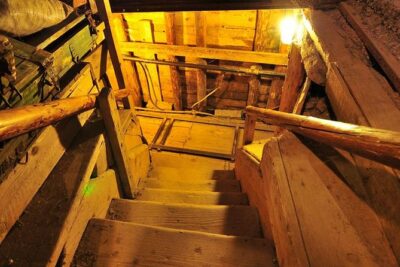
Fall of Yugoslavia, Sarajevo War Tour with Tunnel of Hope Museum and Frontlines
Read our review →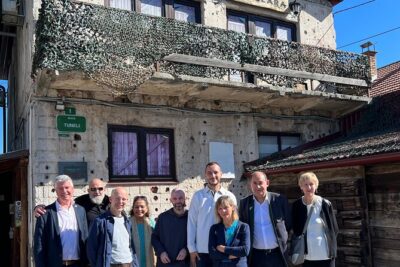
ROSES OF SARAJEVO (Official WAR + CITY tour)- Story of a Survivor
Read our review →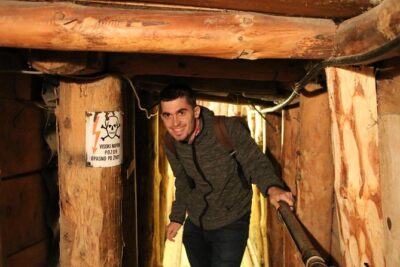
Tunnel Museum: Bosnian & Yugoslav Wars Tour with War Veteran
Read our review →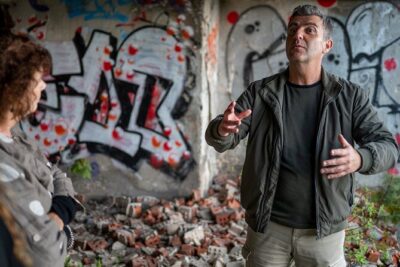
Sarajevo War Tour: A Veteran’s Story of the Siege (fees included)
Read our review →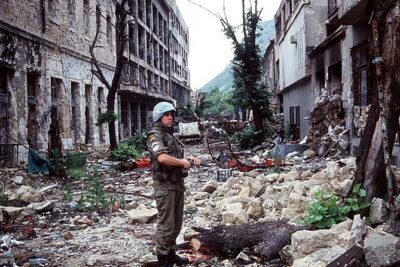
Break-up of Yugoslavia & The War in Mostar: Life Under Siege
Read our review →
Sarajevo to Srebrenica: Genocide Study Tour with War Veteran
Read our review →
Sarajevo Grand Tour: Old Town, War Tunnel, Olympic Sites & More
Read our review →Browse the lists this tour appears in