
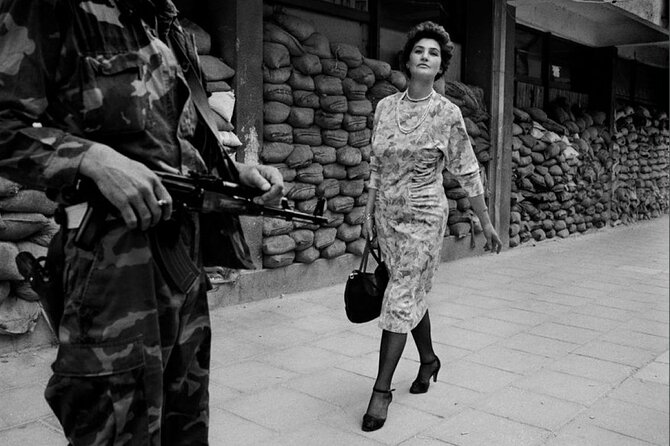
REVIEW · SARAJEVO WAR HISTORY TOURS
Tunnel of Hope Tour – Survival and Resilience
Sarajevo’s past is still close to the surface. This 2.5-hour Tunnel of Hope tour connects the city’s wartime landmarks with the passage that kept Sarajevo supplied during the siege. I like the compact route and the way guides such as Nermin, Safet, and Haris add personal insight. The main drawback is that the museum ticket costs extra, and the original tunnel itself is not fully open for safety reasons.
I also like the small-group format, with no more than 20 people, and the useful driving tour through places such as Sniper Alley, City Hall, and the Holiday Inn. The subject is painful, so this is not a light sightseeing outing. You should allow time afterward to process what you have heard.
In This Review
- Key points to know before you book
- Why the Tunnel of Hope matters in Sarajevo
- Starting at Zelenih beretki 30
- A moving city introduction before the museum
- Seeing Sniper Alley from the vehicle
- The cemetery and the cost of daily life
- Entering the Tunnel of Hope Museum
- The guides make or break the experience
- What the $25.40 price really includes
- Who should book this Sarajevo tour
- My verdict: book it for context, not just the tunnel
- FAQ
- Where does the Tunnel of Hope Tour start?
- Where does the tour end?
- How long does the tour last?
- Is the Tunnel of Hope Museum ticket included?
- Is transportation included?
- Is the original tunnel open to visitors?
- Is the tour offered in English?
- What is the cancellation policy?
Key points to know before you book
- The tour puts the Tunnel of Hope in context: You see wartime streets, buildings, markets, and cemeteries before reaching the museum.
- First-hand stories are a major strength: Guides have included former police officers, soldiers, and people who lived through the Siege of Sarajevo.
- Sniper Alley is viewed from the vehicle: It is an important part of the route, but this is not a walking tour of every war site.
- The museum ticket is extra: Admission costs 20 BAM for adults or 8 BAM for students.
- The original tunnel has safety limits: You visit the museum and a recreated tunnel section, with access to the historic passage restricted.
- The price is fair for a short visit: At $25.40 per person, transportation, guiding, and the city route are included.
Why the Tunnel of Hope matters in Sarajevo
The Siege of Sarajevo lasted from 1992 to 1995, when the city was surrounded and cut off from normal supplies. Food, water, electricity, and gas became scarce. Streets that now carry ordinary traffic became dangerous corridors, and daily tasks could involve serious risk.
The Tunnel of Hope was built beneath the airport runway to connect the besieged city with territory outside the encirclement. It was used to move supplies and people. The passage was narrow and difficult, but it gave Sarajevo a vital link to the outside world.
That basic fact is easy to understand from a history book. It feels different when you see the route, hear how the tunnel was used, and then enter the museum display. The value of this tour is not only the underground passage. It is the human scale of the story: how residents collected water, found food, moved through exposed streets, and kept ordinary life going during years of danger.
You will also get a reminder that Sarajevo is more than a war memorial. The city’s Ottoman, Austro-Hungarian, and modern districts remain active parts of daily life. Seeing the present city beside sites damaged during the siege helps you understand both the destruction and the recovery.
Other tours covering the siege of Sarajevo:
- Fall of Yugoslavia, Sarajevo War Tour with Tunnel of Hope Museum and Frontlines
★ 5.0 · 1,314 reviews - ROSES OF SARAJEVO (Official WAR + CITY tour)- Story of a Survivor
★ 5.0 · 770 reviews - Tunnel Museum: Bosnian & Yugoslav Wars Tour with War Veteran
★ 5.0 · 551 reviews
Starting at Zelenih beretki 30
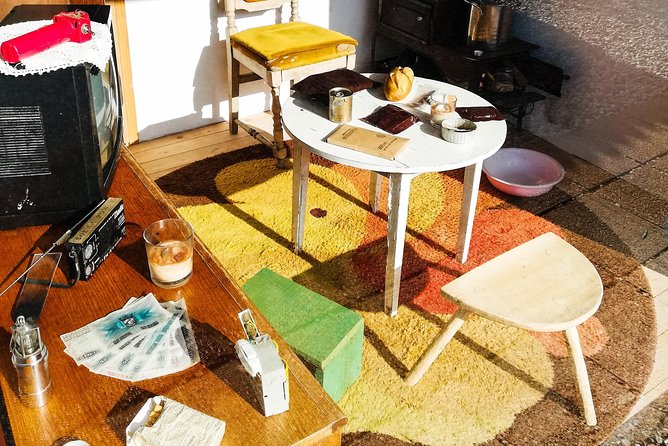
The tour begins at Insider City Tours and Excursions, at Zelenih beretki 30 in central Sarajevo. You meet your guide there, join the group, and travel by included transportation toward the war sites and the tunnel museum.
The maximum group size is 20, though some departures may be much smaller. One booking resulted in a private tour because no other people had joined that departure. That is not something you should assume will happen, but a smaller group can make it easier to ask questions about difficult or personal subjects.
The tour is offered in English and uses a mobile ticket. Confirmation is provided when you book. The starting point is near public transportation, and the activity returns to the same meeting point at the end.
The advertised duration is about 2 hours and 30 minutes. Several guides have allowed extra time when conversation and questions ran long, so keep your schedule a little flexible. The route is designed for people who want a strong introduction to Sarajevo’s siege without committing to a longer half-day excursion.
A moving city introduction before the museum
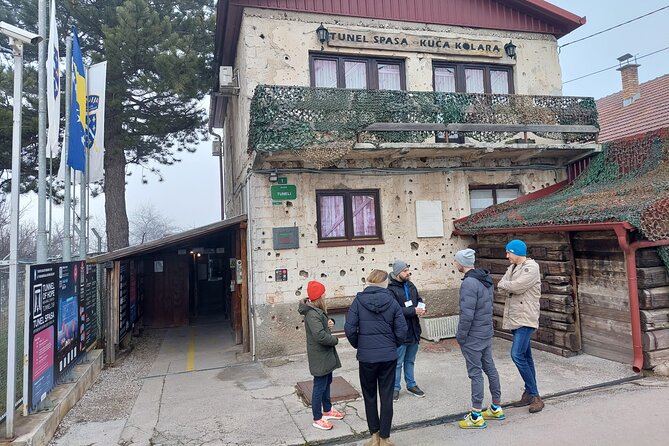
The drive through central Sarajevo is an important part of the experience. You do not simply ride to a museum on the edge of town. Your guide points out places tied to the siege, helping you read the city before you reach the tunnel.
You pass Markale City Market, a place associated with key moments in Sarajevo’s wartime story. You also pass Trg Djece Sarajeva, known as Children of Sarajevo Square, and the Presidency Building, the seat of Bosnia and Herzegovina’s presidency.
The route includes Parliament and the Holiday Inn Hotel. During the war, the Holiday Inn became closely linked with international journalists covering the siege. You also pass the RTV Dom television building, which continued broadcasting during the conflict.
Other landmarks include the National Museum, Skenderija Market, Zetra Olympic Hall, City Hall, and the National Library of Bosnia and Herzegovina. Many of these buildings suffered heavy shelling or played important roles in the city’s public life.
Some stops are drive-bys rather than visits. That is a useful distinction. You get a guided orientation and historical explanation, but you should not book this tour expecting long walks inside each building or a separate stop at every location.
Seeing Sniper Alley from the vehicle
The route includes a drive along the street commonly called Sniper Alley. During the siege, crossing exposed roads could be deadly because of fire from surrounding positions.
Today, the street is part of Sarajevo’s traffic system. Cars move, buildings function, and the city carries on. Your guide helps you understand how ordinary movement through this area once required fear, timing, and great courage.
This part can be brief, but it gives the tunnel visit a wider meaning. The underground route was not an isolated engineering project. It was built because the city above ground had become so dangerous and because the airport and surrounding streets shaped how supplies could enter Sarajevo.
The main limitation is that you see Sniper Alley from the vehicle. If you want to stop for photographs or walk through several war locations, a longer city war tour may suit you better. For a shorter outing, the drive works well.
A few more options to weigh up in Sarajevo
- Sarajevo: Mostar, Konjic, Blagaj Tekke, Pocitelj & Waterfall
★ 4.9 · 1,335 reviews - Sarajevo: Mostar, Konjic, Sufi House, Pocitelj & Kravice Falls
★ 5.0 · 1,179 reviews - Sarajevo: Mostar, Konjic, Počitelj, Sufi House, & Waterfalls
★ 4.9 · 572 reviews - Sarajevo: 2 Hours Old Town Walking Tour With Local Guide
★ 5.0 · 505 reviews
The cemetery and the cost of daily life
The tour also includes a cemetery where victims of the war are buried. This is where the story moves away from buildings and military routes and back toward the people who died.
Your guide explains what life was like when basic services failed. Scarce food and water were constant concerns. Electricity and gas were unreliable or absent. The details help you understand the siege as a long period of pressure, not simply a series of famous events.
This is one of the reasons guide quality matters so much. Guides including Nermin and Safet have been described as former police officers or people who lived through the siege. Their accounts bring personal memory into the tour, though the experience will differ depending on who leads your departure.
You should expect direct discussion of violence, loss, and survival. The tone is serious rather than theatrical. If you are visiting Sarajevo with children or anyone sensitive to war history, consider the subject carefully before booking.
Entering the Tunnel of Hope Museum
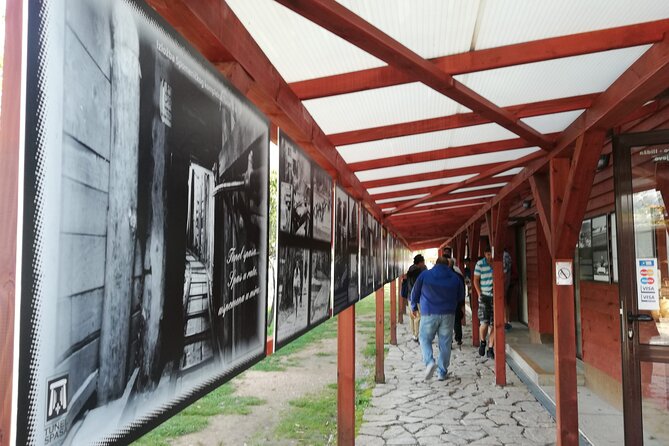
The main stop is the Tunnel of Hope Museum, located outside central Sarajevo. Admission is not included in the tour price. Adults pay 20 BAM, listed as about 10.50 euros, while students pay 8 BAM, listed as about 4.50 euros.
Inside, exhibits explain how the tunnel was constructed, why it was needed, and how it connected Sarajevo with the outside world. You also see material about the siege and a video concerning United Nations intervention during the conflict.
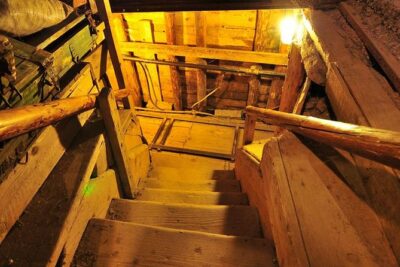
The tunnel passage gives you a physical sense of the conditions. The original tunnel was roughly one metre wide and 1.6 metres high, according to the information shared on the tour. That helps explain why the route was so difficult for people carrying supplies or moving through under pressure.
The original passage cannot be fully accessed because it runs beneath the runway of an operating airport and has safety restrictions. The museum uses a reconstructed section to give you an impression of the cramped route. Some accounts also describe access to a limited portion of the historic tunnel, but you should not count on entering the full original passage.
That distinction matters. The recreated section is not the same as walking the entire wartime tunnel, but it still makes the scale clear. A museum case can explain the tunnel. A narrow passage makes you feel its physical limits.
Plan about 1 hour and 15 minutes for this stop. The museum is the core of the tour, so take your time with the displays and listen closely to the explanation. The guide’s storytelling is often the part that turns the visit from a quick museum stop into a meaningful history lesson.
The guides make or break the experience
The strongest feature of this tour is the guiding. Names that have received particular praise include Nermin, Safet, Yasif, Jernej, Haris, and Arris. Several guides have personal links to the siege, including experience as police officers or soldiers and memories of growing up in Sarajevo during the war.
Nermin has been praised for answering questions in detail and sharing his experience as a young police officer during the siege. Safet has also been noted for patient explanations, along with useful suggestions for local food and cafés. Haris has guided in Spanish as well as other languages.
You should keep in mind that you may not receive one of these specific guides. The company assigns guides according to the departure, and personal experience will vary. Still, the consistent strength of the tour is its human narration, not just the vehicle or museum entry.
Ask questions. The guides appear willing to discuss the siege, the tunnel, the city’s recovery, and Bosnia today. Some departures have lasted longer than the scheduled 2.5 hours because the guide continued answering questions.
A guide with first-hand experience can also add important limits and nuance. Personal memories are powerful, but they are still one perspective. If you want a full military or political study of the conflict, pair this tour with a museum visit or independent reading.
What the $25.40 price really includes
The listed price is $25.40 per person. Transportation and a licensed guide are included. The Tunnel of Hope Museum ticket is extra, so the total adult cost will be higher than the headline price.
I consider the package good value for a short stay in Sarajevo. You receive a guided city orientation, transport to a site outside the center, a visit to the museum, and an explanation of the siege along the way. Reaching the tunnel independently is possible by car, taxi, or public transportation, but the route is not direct by public transport and takes additional time.
The real saving is not only the ride. It is the guide’s interpretation. You can look at a street or museum display on your own, but you may miss why that place mattered, how it fit into the siege, and what daily life was like for residents.
A longer tour may include more stops and last around four hours. Choose this 2.5-hour version if you want the Tunnel of Hope as a priority and need to protect the rest of your day. Choose a longer option if you want a broader survey of Sarajevo’s war sites.
Who should book this Sarajevo tour
I would recommend it most strongly to first-time visitors who want historical context without giving up an entire day. It also suits history-focused visitors, people interested in modern European conflicts, and anyone who wants to understand Sarajevo beyond its cafés and old-town streets.
The tour is also a good choice if you prefer listening to a guide rather than reading displays on your own. The personal stories, especially from guides with memories of the siege, add emotional weight and practical detail.
You may want to skip it if you are looking only for light sightseeing, dislike enclosed spaces, or have a very tight schedule after the start time. The subject is confronting, and the museum passage is narrow even in reconstructed form.
Wear practical shoes and bring patience for a serious visit. The supplied information does not specify special clothing or accessibility arrangements, so ask the operator directly if you have mobility concerns or need particular support.
The tour requires good weather and a minimum number of participants. If poor weather or low enrollment causes cancellation, you are offered another date, another experience, or a full refund. You can cancel for a full refund up to 24 hours before the start time. Within 24 hours, refunds are not provided.
My verdict: book it for context, not just the tunnel
The Tunnel of Hope Tour works because it links the underground passage to the streets, buildings, cemetery, and people of Sarajevo. The museum is essential, but the drive and guide give it meaning.
Book it if you have only a few days in the city and want a focused, well-priced introduction to the siege. Go in ready for difficult material, budget extra for museum admission, and allow a little more than 2.5 hours if you want to ask questions.
You will not walk through the entire wartime tunnel, and you will not make extended stops at every city landmark. Still, the combination of Sniper Alley, Sarajevo’s damaged public buildings, the museum, and first-hand storytelling offers a clear view of how the city survived. For most visitors interested in Sarajevo’s recent past, this is a worthwhile use of an afternoon.
FAQ
Where does the Tunnel of Hope Tour start?
The tour starts at Insider City Tours and Excursions, Zelenih beretki 30, Sarajevo 71000, Bosnia and Herzegovina.
Where does the tour end?
The activity ends back at the original meeting point in central Sarajevo.
How long does the tour last?
The advertised duration is approximately 2 hours and 30 minutes. Some departures may run longer if the guide spends extra time answering questions.
Is the Tunnel of Hope Museum ticket included?
No. Museum admission costs 20 BAM, listed as about 10.50 euros, for adults and 8 BAM, listed as about 4.50 euros, for students.
Is transportation included?
Yes. Transportation and a licensed guide are included in the tour price.
Is the original tunnel open to visitors?
The original tunnel is not fully accessible because of safety restrictions and its location beneath the runway of an operating airport. The museum includes a reconstructed section that recreates the cramped conditions.
Is the tour offered in English?
Yes. The tour is offered in English and uses a mobile ticket.
What is the cancellation policy?
You can cancel at least 24 hours before the start time for a full refund. Cancellations or changes made within 24 hours are not refunded or accepted. If poor weather or insufficient enrollment cancels the tour, you are offered another date, another experience, or a full refund.
Just added in Sarajevo
- Sarajevo Under Siege: A War History Tour★ 5.0 · 10 reviews
- Walking Tour in Sarajevo★ 5.0 · 3 reviews
- Private Full Day Safari Tour★ 5.0 · 8 reviews
- Bosnian Pyramid: The World’s Largest Pyramid (From Sarajevo)★ 5.0 · 1 review
- Ultimate adventure★ 5.0 · 2 reviews
- Mysterious Visoko Pyramids Driving and Walking Tour★ 5.0 · 7 reviews
- Travnik, Jajce, Pliva Lakes & Mills –Medieval & Ottoman Bosnia Full Day Tour★ 5.0 · 3 reviews
- Sarajevo to/from Zagreb Transfer Day Tour (North-central Bosnia)★ 5.0 · 4 reviews
Sarajevo War History Tours, compared.
Fall of Yugoslavia, Sarajevo War Tour with Tunnel of Hope Museum and Frontlines
Read our review →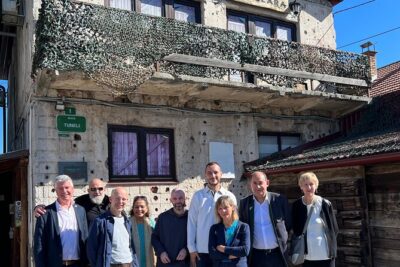
ROSES OF SARAJEVO (Official WAR + CITY tour)- Story of a Survivor
Read our review →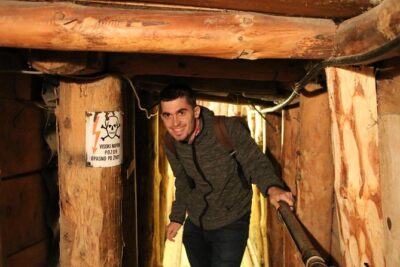
Tunnel Museum: Bosnian & Yugoslav Wars Tour with War Veteran
Read our review →
Sarajevo War Tour: A Veteran’s Story of the Siege (fees included)
Read our review →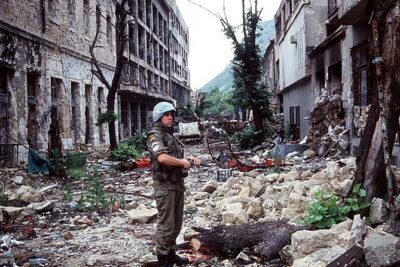
Break-up of Yugoslavia & The War in Mostar: Life Under Siege
Read our review →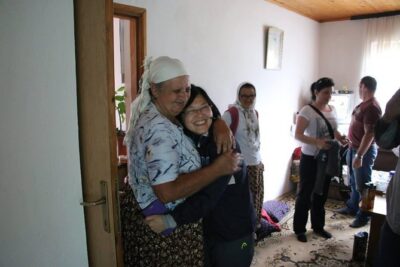
Sarajevo to Srebrenica: Genocide Study Tour with War Veteran
Read our review →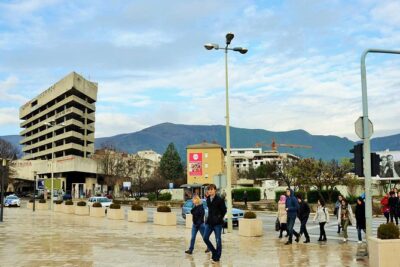
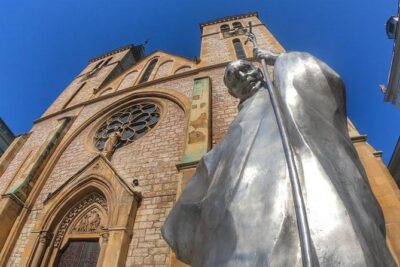
Sarajevo Grand Tour: Old Town, War Tunnel, Olympic Sites & More
Read our review →Browse the lists this tour appears in