
REVIEW · SARAJEVO WAR HISTORY TOURS
WAR TUNNEL – Sarajevo’s only way of a communication during the WAR – Top secret
Sarajevo’s hardest story begins underground. This tour connects the War Tunnel Museum with Markale Market, Sniper Alley, City Hall, and the old town, giving you a clear sense of how the siege shaped daily life. I especially like the route’s mix of major sites and personal stories from guides such as Aid, Adna, Amir, Eddie, and Argan. I also like that hotel pickup, transport, bottled water, and a licensed guide are included. The main drawback is that the tunnel entrance fee costs extra, and the group may include as many as 50 people.
You start at Meet Bosnia Travel on Gazi Husrev-beg Street, or arrange pickup from your accommodation. The tour usually lasts from 1 hour 40 minutes to 2 hours 30 minutes, though the listed tunnel visit itself is about two hours, so allow some flexibility. The subject is painful and serious, not a light sightseeing outing, but it is one of the clearest ways to understand Sarajevo’s recent past.
In This Review
- Key points at a glance
- Why Sarajevo’s War Tunnel matters
- Starting at Gazi Husrev-beg Street
- Markale Market and the civilian story
- Sniper Alley from the road
- City Hall and the road back through Baščaršija
- Entering the Tunnel of Hope Museum
- The guides make the history personal
- Price, timing, and practical value
- Who should book this experience
- Final recommendation: book it for context, not spectacle
- FAQ
- Where does the tour start?
- Is hotel pickup available?
- Where does the tour finish?
- How long does the tour last?
- Is the Tunnel of Hope entrance included?
- What is included in the tour price?
- Is the tour offered in English?
- What locations does the tour visit?
- How large can the group be?
- Can I cancel for a full refund?
Key points at a glance
- Walk through part of the 800-meter Tunnel of Hope: The narrow passage gives you a physical sense of Sarajevo’s wartime lifeline.
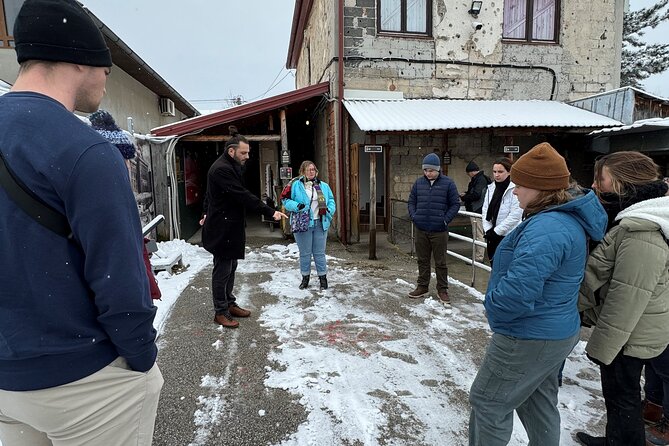
- See Sniper Alley from the vehicle: Damaged Yugoslav-era buildings and the guide’s explanations show why this road became so feared.
- Visit the sites of the Markale massacres: The market helps explain how civilians searched for food and basic supplies during the siege.
- Hear personal accounts from Sarajevo guides: Aid and other guides have shared family and local stories that make the events easier to grasp.
- Hotel pickup and drop-off are included: This is useful for a museum outside the central sightseeing area.
- Budget about $30.10 plus 15 BAM: The tour price covers transport and guiding, but not admission to the Tunnel of Hope Museum.
Why Sarajevo’s War Tunnel matters
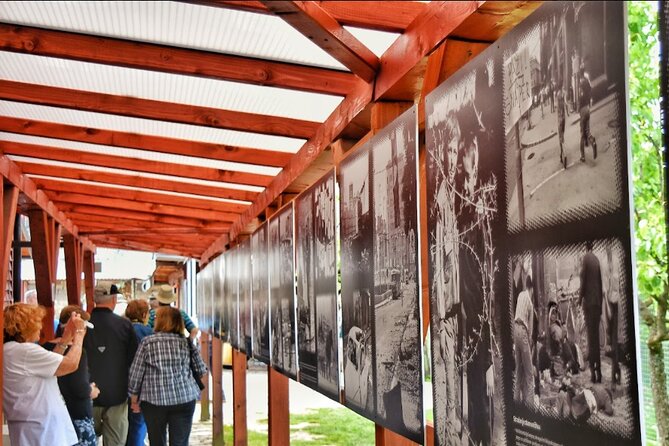
The Siege of Sarajevo lasted four years, leaving the city surrounded and cut off from normal supply routes. The tunnel was built as the only connection between Sarajevo and the outside world, allowing people, food, supplies, and other essential goods to enter or leave under extremely dangerous conditions.
Today, the museum preserves a short section of that passage. You do not walk all 800 meters. The section open to the public is small, but that is enough to change the way you picture the siege. A written account can tell you that people carried supplies through a cramped underground route. Walking inside helps you understand the physical effort involved.
The museum is not a large attraction with hours of galleries. Its value comes from the subject, the preserved tunnel, and the explanations that connect it to the wider siege. If you expect a polished, modern museum with extensive displays, adjust your expectations. If you want a direct reminder of how ordinary people kept a city alive, this stop is powerful.
The experience also benefits from being part of a wider route. On its own, the tunnel can feel brief. Combined with Markale Market, Sniper Alley, City Hall, and the old town, it becomes a story about civilians, infrastructure, danger, survival, and Sarajevo’s rebuilding.
Other tours covering the siege of Sarajevo:
- Fall of Yugoslavia, Sarajevo War Tour with Tunnel of Hope Museum and Frontlines
★ 5.0 · 1,314 reviews - ROSES OF SARAJEVO (Official WAR + CITY tour)- Story of a Survivor
★ 5.0 · 770 reviews - Tunnel Museum: Bosnian & Yugoslav Wars Tour with War Veteran
★ 5.0 · 551 reviews
Starting at Gazi Husrev-beg Street
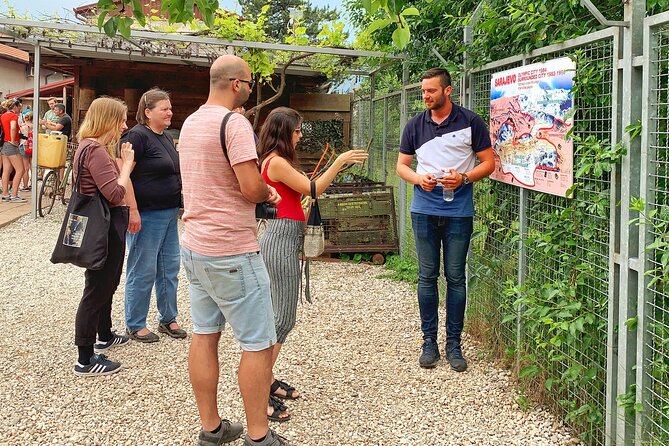
The tour begins at Meet Bosnia Travel, located at Gazi Husrev-beg 75 in central Sarajevo. You meet a licensed guide there, receive bottled water, and set off in a modern vehicle with a professional driver.
Pickup is available from your accommodation. If you are staying close to the agency, you may be asked to walk to the starting point instead. That is not a great hardship, since the office is in the central part of Sarajevo and near public transportation.
The listed operating hours are Monday through Friday, from 9:00 a.m. to 5:30 p.m. Your booking confirmation should provide the exact meeting details. Since pickup times and traffic can affect the schedule, do not plan a tightly timed activity immediately afterward.
The maximum group size is listed as 50 people. That is a fairly large possible group for a history tour. A smaller group should make it easier to ask questions and hear personal accounts, while a full group may feel more like a standard coach excursion. Some of the strongest accounts describe private or very small tours, so the quality of your interaction may depend on the group booked that day.
Markale Market and the civilian story
Markale Market was one of the places where Sarajevo residents could search for food and basic goods during the siege. That simple fact matters. The market was not merely a commercial stop. It was part of the city’s daily struggle to function while surrounded.
The site was also the focus of two major massacres carried out by the Army of Republika Srpska. Your guide explains those events and places them within the wider story of the siege.
This stop can be emotionally difficult. The tour does not treat the market as just another photo opportunity, and you should not expect a cheerful sightseeing atmosphere. The value here is context. Sarajevo’s wartime story was not only about military positions and political decisions. It was also about people trying to buy bread, find supplies, and carry on with ordinary tasks under extraordinary danger.
I would pay close attention to the guide at this point. The market itself may not provide a large amount of information on its own, so the explanation is what makes the stop meaningful. Guides such as Adna have been praised for explaining the breakup of Yugoslavia and the siege in a way that helps you follow the sequence of events.
Sniper Alley from the road
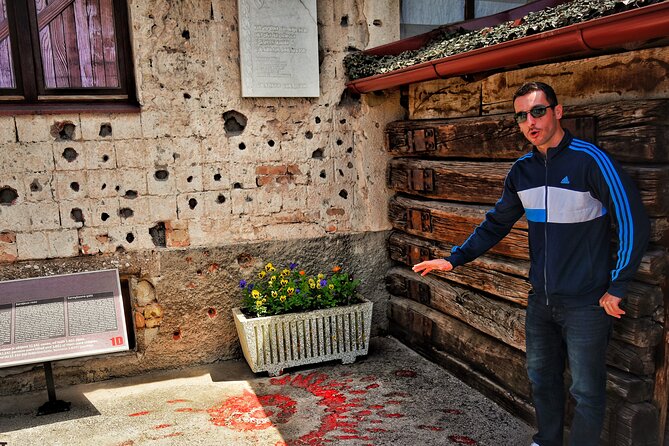
The route continues through Sniper Alley, described as the most dangerous street in Sarajevo during the war. Snipers fired on people in this area, and many buildings from the Yugoslav period still show signs of wartime damage.
You generally see this section from the vehicle rather than treating it as a long walking stop. That is practical, given the busy city roads and the nature of the subject. The guide points out the buildings and explains what happened in the area, helping you connect present-day Sarajevo with the dangers faced by residents during the siege.
This is one of the tour’s best uses of transport. A ride through the city lets you cover several important locations without spending much of your limited Sarajevo time on navigation. It also gives the guide a chance to explain how the city’s roads and buildings fit into the story.
The limitation is that you may not have much time to stop, photograph, or study individual buildings. If you want a detailed architectural tour of wartime damage, this is not the right activity. If you want a concise explanation while moving through the city, it works well.
A few more options to weigh up in Sarajevo
- Sarajevo: Mostar, Konjic, Blagaj Tekke, Pocitelj & Waterfall
★ 4.9 · 1,335 reviews - Sarajevo: Mostar, Konjic, Sufi House, Pocitelj & Kravice Falls
★ 5.0 · 1,179 reviews - Sarajevo: Mostar, Konjic, Počitelj, Sufi House, & Waterfalls
★ 4.9 · 572 reviews - Sarajevo: 2 Hours Old Town Walking Tour With Local Guide
★ 5.0 · 505 reviews
City Hall and the road back through Baščaršija
Sarajevo City Hall is another major stop on the route. The building was badly damaged during the Bosnian War and later rebuilt. It now serves as a symbol of Sarajevo’s survival and restoration.
The City Hall stop adds balance to the tour. Markale Market and Sniper Alley show danger and destruction. City Hall shows that rebuilding is also part of the city’s modern story. You see a major civic building not just as an architectural attraction, but as evidence of what Sarajevo lost and recovered.
On the way back, the vehicle passes through the old town and Baščaršija, Sarajevo’s best-known historic quarter. This is not presented as a separate extended walking tour, so you should not book this experience expecting a detailed introduction to every lane, mosque, shop, or food stall in the old town.
Still, the passing view is useful. You begin and end near this central area, and the contrast between Baščaršija’s historic streets and the siege sites gives the day more shape. I would plan a separate walk through the old town before or after the tour if you want time to explore it properly.
Entering the Tunnel of Hope Museum
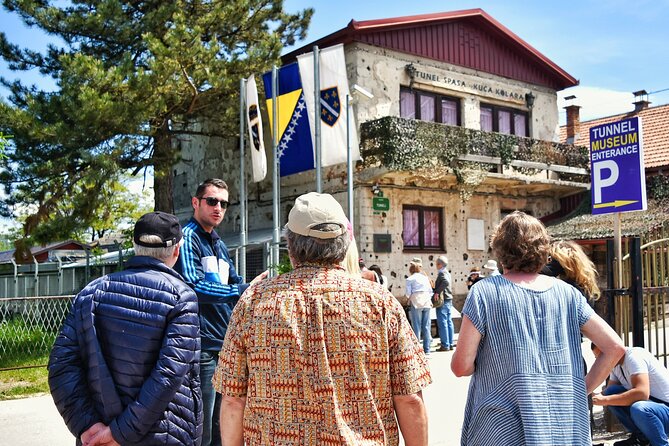
The main visit is to the Sarajevo War Tunnel, also known as the Tunnel of Hope. The tunnel was about 800 meters long and served as Sarajevo’s only connection with the outside world during the four-year siege.
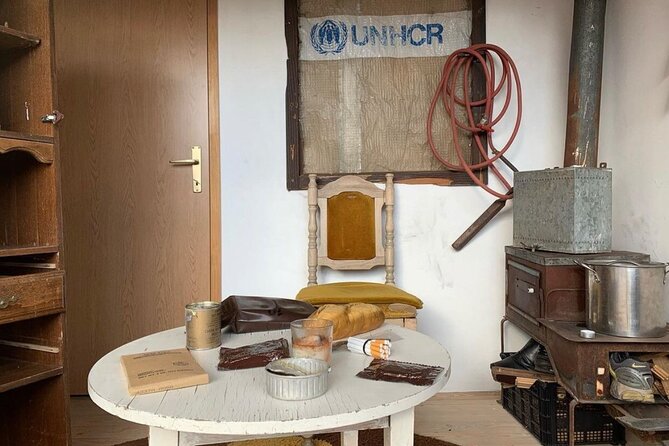
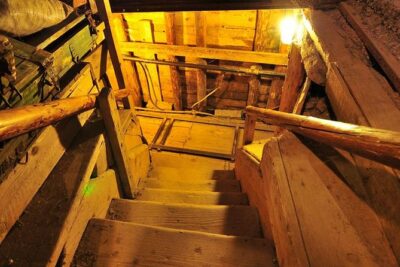
The museum allows you to walk through part of the tunnel. Expect a narrow, basic passage rather than a broad museum walkway. The physical setting is important because it removes some of the distance between you and the historical facts. You can picture people carrying supplies through a confined route while the city above remained surrounded.
Admission is not included. The entrance costs 15 BAM, so add that amount to the tour price when comparing options. At $30.10 per person, the tour remains reasonably priced for a guided vehicle trip with hotel pickup and drop-off, but the extra museum charge is worth noting before you book.
The tunnel visit is listed at about two hours, while the complete experience is listed between 1 hour 40 minutes and 2 hours 30 minutes. Those figures do not line up perfectly, so treat the timing as approximate. Traffic, pickup arrangements, group size, and time spent at the museum can all affect the schedule.
The museum is relatively small. That is the principal limitation. You should book it for the story and the chance to walk through the tunnel, not for a full-day museum collection. One of the strongest parts is hearing the guide explain how the tunnel connected to the rest of Sarajevo and what it meant for people living through the siege.
The guides make the history personal
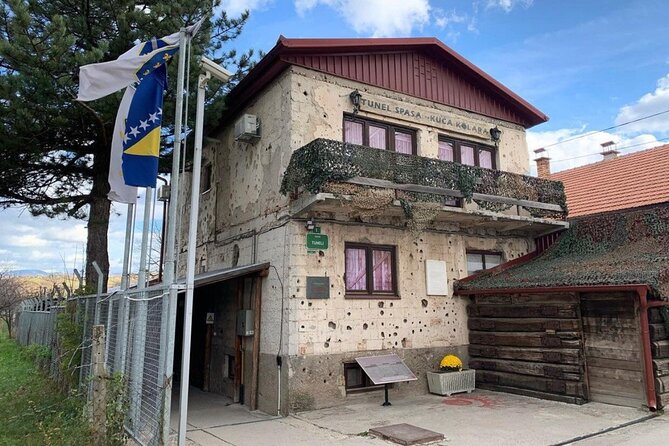
The guide is central to this experience. The route covers serious material that can be difficult to follow without a clear explanation of the breakup of Yugoslavia, the siege, the geography of Sarajevo, and the role of each location.
The company has used guides including Aid, Adna, Amir, Eddie, and Argan. Aid has received especially warm praise for answering questions carefully and adding personal family stories. One account describes a four-hour private version of the siege tour with Aid, including backstreets and local shortcuts. That longer format is different from this shorter tunnel-focused activity, but it gives you an idea of the type of local perspective the company aims to provide.
Personal stories are valuable here because nearly every family in Sarajevo was affected in some way by the war. They help connect the broad political history with daily life in the city. At the same time, the quality of any guided tour depends on the individual guide and the size of the group. You should expect a well-organized experience, but not assume that every departure will feel like a private conversation.
Some guides may also add information while you are on the road. The driver has been described as contributing useful local details on certain tours, which can make the journey between stops more worthwhile.
Price, timing, and practical value
The advertised price is $30.10 per person. Included are a licensed guide, professional driver, modern vehicle, bottled water, hotel pickup, and hotel drop-off. The 15 BAM museum admission is extra, as are personal purchases.
For a short city tour, that price is fair if you value convenience. Getting to the tunnel independently would require arranging your own transport, finding the museum, and missing the explanations at Markale Market, Sniper Alley, and City Hall. The guided route gives you several connected sites in one outing.
The value is strongest for first-time visitors to Sarajevo who want an introduction to the siege without committing to a longer four-hour private tour. It is also useful if you have limited time and prefer a vehicle-based route.
The value is weaker if you already know the siege sites well, have your own transport, or want a slow, highly detailed museum visit. In that case, the short museum section and possible large group may leave you wanting more.
The tour is offered in English, and confirmation is received at booking. Most people can participate, and the agency is near public transportation. Because the topic is emotionally heavy, consider your own interests and your group’s age and comfort level before reserving.
Free cancellation is available if you cancel at least 24 hours before the start time. Cancellations or changes made less than 24 hours before departure are not refunded or accepted.
Who should book this experience
I would recommend this tour to you if:
- You are visiting Sarajevo for the first time.
- You want the basic story of the siege explained clearly.
- You prefer transport between sites rather than arranging everything yourself.
- You value local guides and personal accounts.
- You have only a few hours for wartime history.
- You want to see the tunnel without booking a longer private excursion.
Families can find it meaningful, but parents should decide if the subject is suitable for their children. The tour concerns civilian deaths, violence, shortages, and the destruction caused by war. It is not designed as light entertainment.
History-focused visitors may want a longer private tour. Some private versions last around four hours and cover more backstreets, wartime locations, and personal stories. This shorter experience is better viewed as a strong introduction than a complete study of Sarajevo’s wartime past.
Final recommendation: book it for context, not spectacle
You should book this tour if you want Sarajevo’s war history explained as a connected story. The tunnel is small, and the museum ticket costs extra, but the route gives you much more than a quick walk underground. Markale Market explains civilian survival, Sniper Alley shows the danger of moving through the city, City Hall reflects destruction and rebuilding, and the old town places everything within Sarajevo’s wider setting.
I like the combination of transport, guiding, and personal accounts. The main cautions are the possible group size, approximate timing, and serious subject matter. For $30.10 plus 15 BAM, it offers good value for a first look at the siege, especially when hotel transportation saves you time.
If you want a concise, moving, and practical introduction, book it. If you want a quiet, highly detailed battlefield study, choose a longer private tour instead.
FAQ
Where does the tour start?
The tour starts at Meet Bosnia Travel, Gazi Husrev-beg 75, Sarajevo 71000, Bosnia and Herzegovina.
Is hotel pickup available?
Yes. Hotel pickup is included. If your accommodation is close to the agency, you may be asked to meet at the starting point instead.
Where does the tour finish?
The activity ends back at the Meet Bosnia Travel meeting point. If you were picked up from your location, the driver will return you there.
How long does the tour last?
The approximate total duration is listed as 1 hour 40 minutes to 2 hours 30 minutes. The tunnel visit is listed at about two hours, so allow flexibility in your schedule.
Is the Tunnel of Hope entrance included?
No. Admission to the Tunnel of Hope Museum costs 15 BAM and must be paid separately.
What is included in the tour price?
The price includes bottled water, a licensed guide, a professional driver, a modern vehicle, hotel pickup, and hotel drop-off.
Is the tour offered in English?
Yes. The experience is offered in English.
What locations does the tour visit?
The route includes Markale Market, Sniper Alley, Sarajevo City Hall, the old town and Baščaršija area, and the Sarajevo War Tunnel Museum.
How large can the group be?
The maximum group size is listed as 50 people.
Can I cancel for a full refund?
Yes, if you cancel at least 24 hours before the experience start time. Cancellations or changes made less than 24 hours before the start time are not accepted for a refund.
Just added in Sarajevo
- Sarajevo Under Siege: A War History Tour★ 5.0 · 10 reviews
- Walking Tour in Sarajevo★ 5.0 · 3 reviews
- Private Full Day Safari Tour★ 5.0 · 8 reviews
- Bosnian Pyramid: The World’s Largest Pyramid (From Sarajevo)★ 5.0 · 1 review
- Ultimate adventure★ 5.0 · 2 reviews
- Mysterious Visoko Pyramids Driving and Walking Tour★ 5.0 · 7 reviews
- Travnik, Jajce, Pliva Lakes & Mills –Medieval & Ottoman Bosnia Full Day Tour★ 5.0 · 3 reviews
- Sarajevo to/from Zagreb Transfer Day Tour (North-central Bosnia)★ 5.0 · 4 reviews
Sarajevo War History Tours, compared.
Fall of Yugoslavia, Sarajevo War Tour with Tunnel of Hope Museum and Frontlines
Read our review →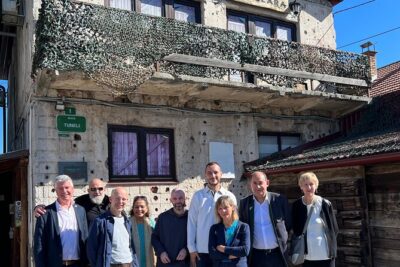
ROSES OF SARAJEVO (Official WAR + CITY tour)- Story of a Survivor
Read our review →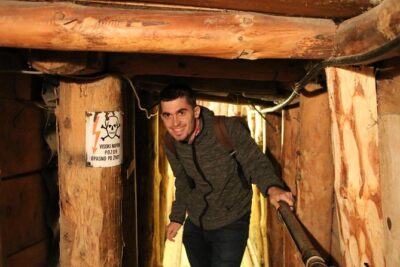
Tunnel Museum: Bosnian & Yugoslav Wars Tour with War Veteran
Read our review →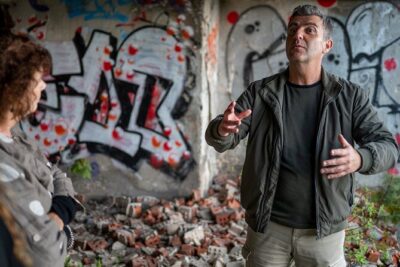
Sarajevo War Tour: A Veteran’s Story of the Siege (fees included)
Read our review →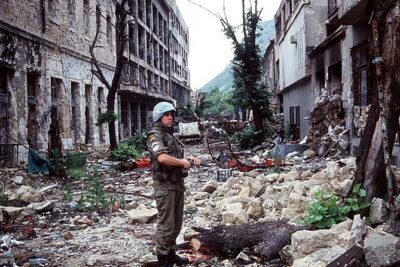
Break-up of Yugoslavia & The War in Mostar: Life Under Siege
Read our review →
Sarajevo to Srebrenica: Genocide Study Tour with War Veteran
Read our review →
Sarajevo Grand Tour: Old Town, War Tunnel, Olympic Sites & More
Read our review →Browse the lists this tour appears in